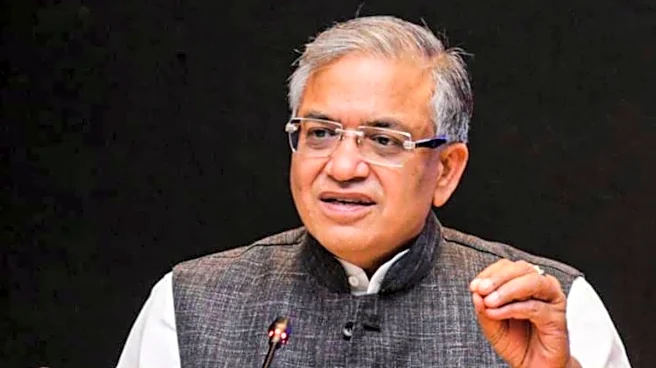

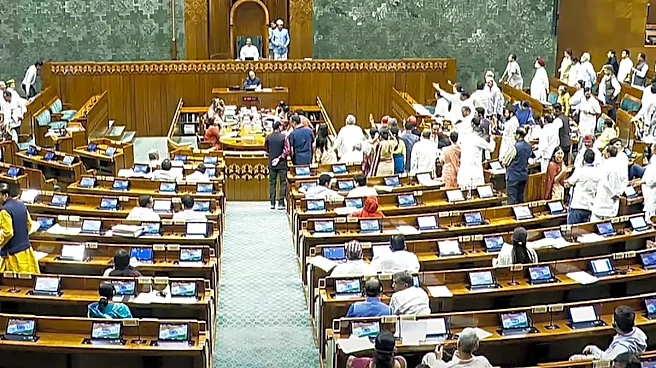
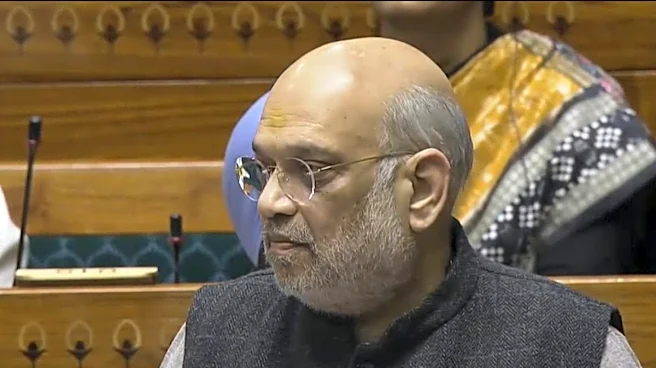
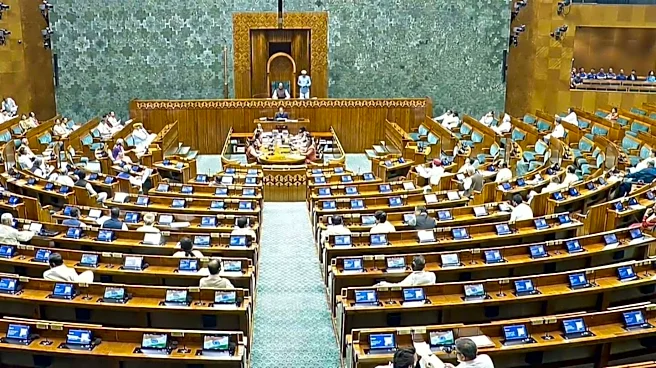
The political standoff over India’s electoral integrity has reached a new boiling point as INDIA bloc parties reportedly prepare a fresh notice in Parliament seeking the removal of Chief Election Commissioner (CEC) Gyanesh Kumar. This renewed push comes weeks after a previous attempt on March 12 was summarily rejected by the presiding officers of both Houses.
The Opposition remains steadfast in its allegation that the CEC’s conduct has undermined the independence of the Election Commission of India (ECI), particularly following the controversies surrounding the 2024 general elections and recent voter list revisions.
Why is the Opposition seeking the CEC’s removal?
The primary driver behind this unprecedented move is a ten-page indictment that accuses Gyanesh Kumar of “partisan and discriminatory
conduct”. Opposition leaders allege that under his leadership, the ECI has deliberately obstructed investigations into electoral fraud and facilitated the “targeted disenfranchisement” of voters through a controversial Special Intensive Revision (SIR) process.
They also point to his refusal to provide machine-readable voter lists and CCTV footage of polling—citing privacy concerns—as evidence of a lack of transparency. For the INDIA bloc, these are not mere procedural errors but a “subservience to the executive” that threatens the very foundations of Indian democracy.
What happened to the previous notice?
The first formal notice for removal, signed by 193 MPs (130 from the Lok Sabha and 63 from the Rajya Sabha), was submitted in March. However, on April 7, Lok Sabha Speaker Om Birla and Rajya Sabha Chairman CP Radhakrishnan declined the motions.
The rejection was issued through “non-speaking orders”, meaning no detailed reasons were provided beyond a statement that the notices failed to qualify after an “objective assessment”. This silence has only fuelled the Opposition’s resolve, with legal experts and political leaders arguing that such institutional silence violates the principles of natural justice and parliamentary transparency.
BJP leaders had termed the rejection a “strong response” to those allegedly misusing constitutional provisions for political gains.
How does the removal process work?
Removing a CEC is a rigorous constitutional process equivalent to the impeachment of a Supreme Court judge under Article 324(5). For a fresh notice to progress, it must be admitted by the presiding officers. Once admitted, a joint inquiry committee consisting of judicial and parliamentary experts must be formed to investigate the charges.
If the committee finds the CEC guilty of “proved misbehaviour or incapacity”, the motion must then be passed by each House of Parliament with a special majority—specifically, a majority of the total membership and two-thirds of the members present and voting.
What is the current political context?
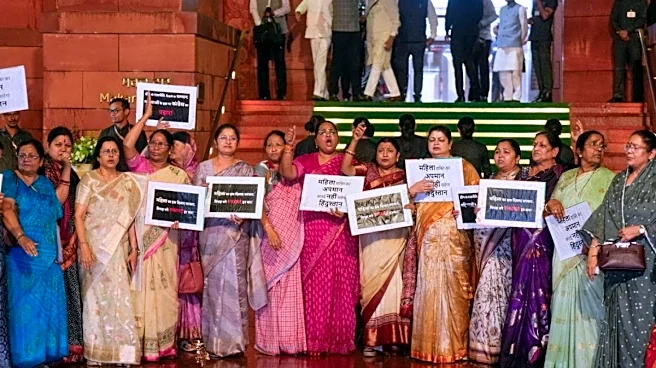
The timing of this fresh notice is critical. It coincides with a period of high friction over women’s reservation and the upcoming West Bengal and Tamil Nadu elections. By moving against the CEC, the Opposition is signalling that it will not accept the current electoral framework as a “given” for future contests.



/images/ppid_a911dc6a-image-177650985765268910.webp)


/images/ppid_a911dc6a-image-177641376600686714.webp)
/images/ppid_a911dc6a-image-177640324944117568.webp)

/images/ppid_a911dc6a-image-177638777278193552.webp)
/images/ppid_a911dc6a-image-177636426633193838.webp)