
/images/ppid_59c68470-image-177074753723033180.webp)


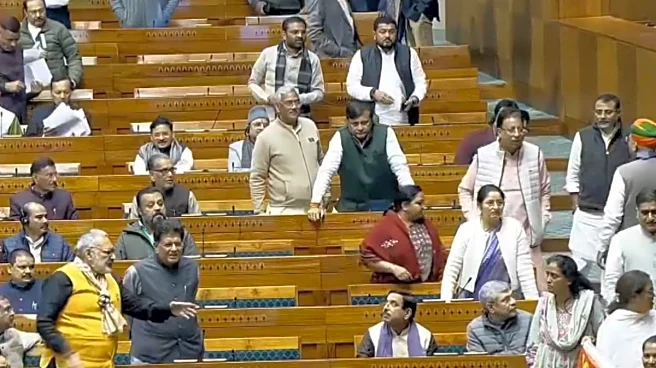
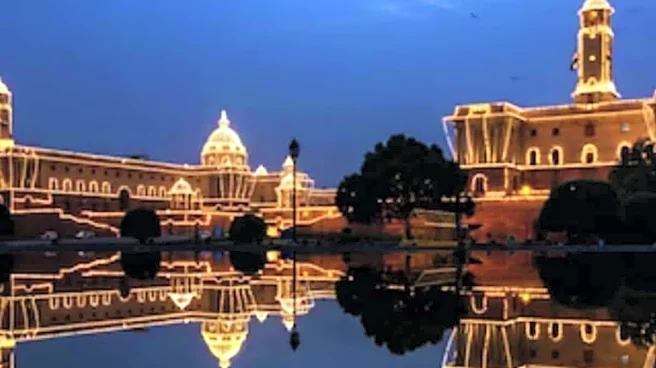
Walking through the broad, tree-lined avenues of New Delhi, time appears to slow down. The stately bungalows of Lutyens’ Delhi are more than brick and mortar; they are living archives of power, politics and heritage.
Now, two of the capital’s most prestigious addresses are back in the spotlight. Tehri Garhwal House at 5, Bhagwan Das Road and the bungalow on Motilal Nehru Marg, where Jawaharlal Nehru once lived, are reportedly up for sale, drawing significant market interest.
Tehri Garhwal House: A Royal Residence
At the corner of Feroz Shah Road and Bhagwan Das Road stands a grand colonial-era bungalow bearing the name Tehri Garhwal House.
Spread across nearly 3.25 acres, it once served as the Delhi residence of the Maharaja of Tehri Garhwal. For generations of migrants from Uttarakhand,
the property symbolised more than royalty; it was a cultural and emotional hub where community gatherings were once frequent.
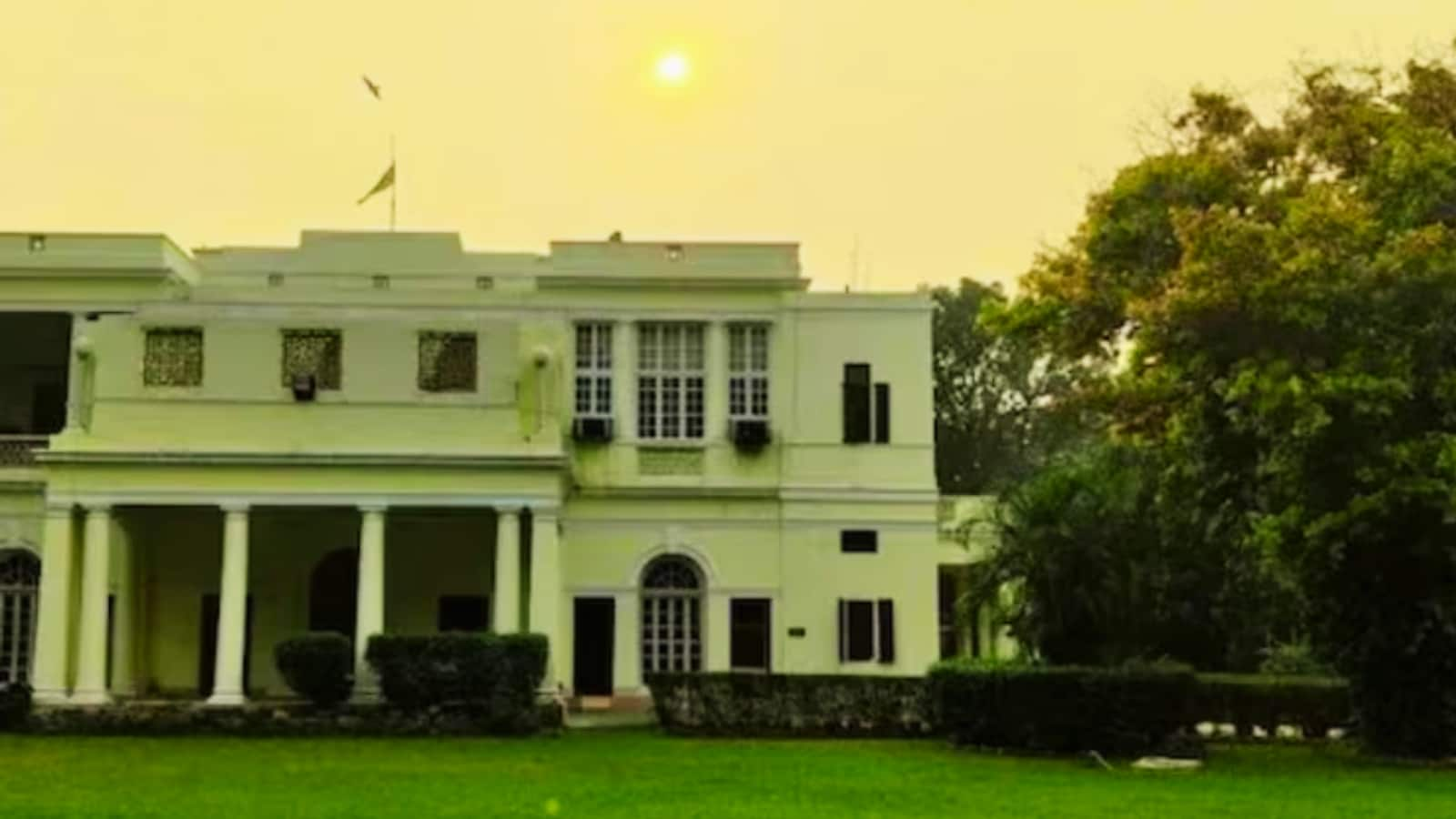
Now, the historic estate has entered the market. Reports suggest its estimated value is close to Rs 1,000 crore. A prominent Delhi-based businessman with strong interests in the food and beverage sector is said to be keen on acquiring the property. Notably, the same buyer is also reportedly purchasing Jawaharlal Nehru’s former residence.
Royal Lineage And Post-Independence Legacy
The current owner of Tehri Garhwal House is Maharaja Manujendra Shah. His father, Raja Manvendra Shah, resided here for decades and was elected to the Lok Sabha eight times. Even while based in Delhi, he remained closely connected to his region and community.
After his death in 2007, the social and political gatherings at the bungalow gradually diminished.
The property dates back to the 1940s, when the British administration allotted land to 29 princely states to construct residences in Lutyens’ Delhi and Civil Lines. Although Tehri Garhwal merged with India in 1949, the bungalow remained the private property of the royal family.
A Strategic Address In The Heart Of Power
Bhagwan Das Road occupies a rare position in Delhi’s power geography.
Nearby landmarks include:
- Mandi House, the city’s cultural nerve centre
- Supreme Court of India, just a few hundred metres away
- India Gate
- Bharat Mandapam
- Connaught Place
- ITO district
This is where politics, judiciary, culture and commerce intersect.
Real estate expert Nikhil Jain, Managing Director of Bhoomann Developers Pvt. Ltd, believes the potential sale is symbolic as much as financial. Since Independence, many royal families have sold ancestral properties or converted them into hospitality ventures.
The sale of Tehri Garhwal House reflects that continuing transition, where heritage meets corporate capital.
Nehru’s First Delhi Residence: A Witness To History
A short distance away lies Motilal Nehru Marg, formerly known as York Road, an address steeped in political history.
On the historic night of August 14, 1947, as India prepared for independence, this bungalow witnessed a significant moment. According to Freedom at Midnight by Larry Collins and Dominique Lapierre, several saints visited Jawaharlal Nehru’s residence to bless him before he took oath as India’s first Prime Minister. Though not deeply religious, Nehru welcomed them and received a ceremonial tilak.
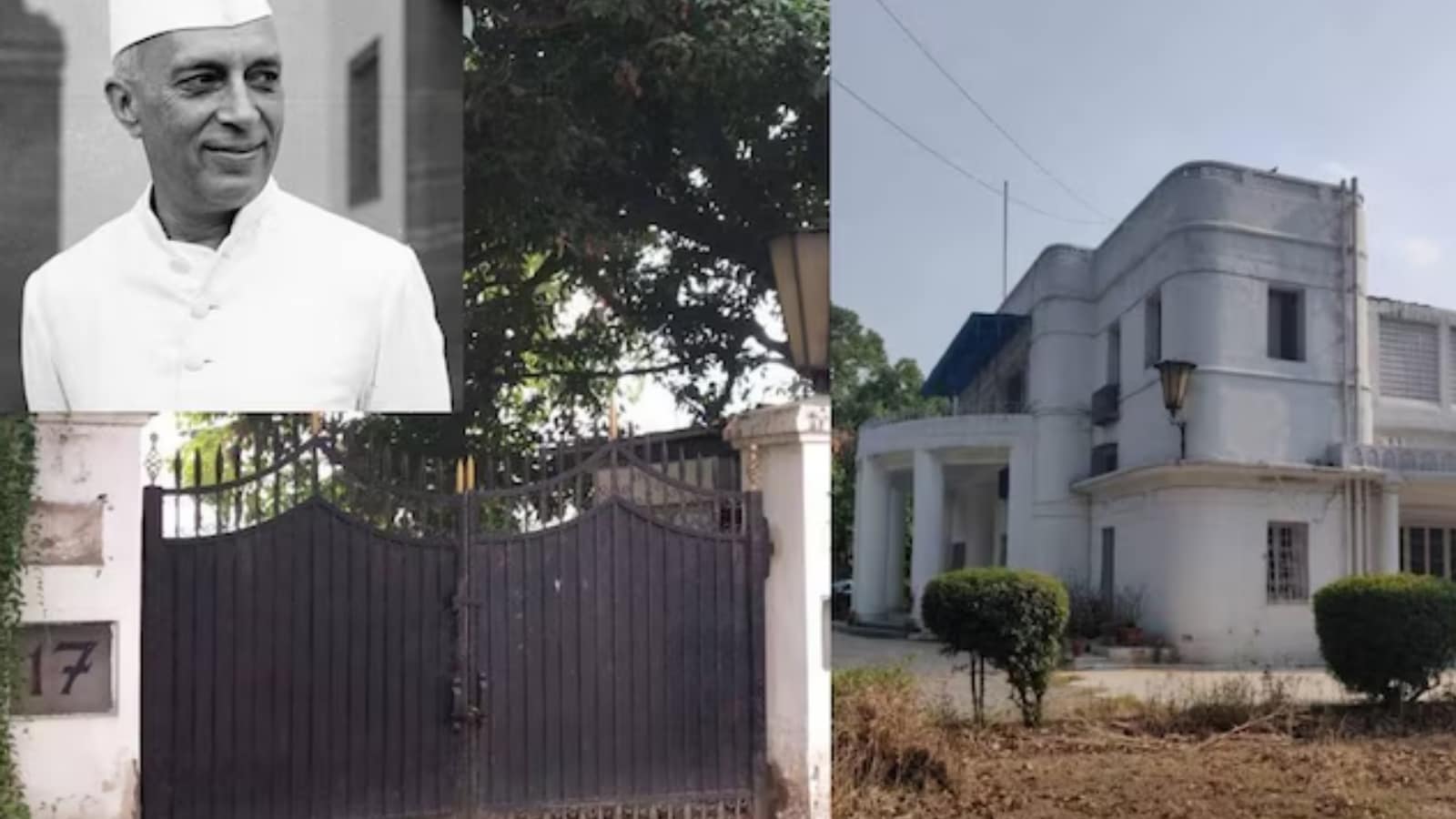
After heading the interim government in 1946, Nehru moved into this bungalow, his first official residence in Delhi. It was here that several key discussions shaping independent India took place, including talks with British representatives.
At the time, there were few restrictions on movement in and out of the residence.
Details Of The Sale
The Motilal Nehru Marg property is reportedly owned by Raj Kumari Kakkar and Bina Kakkar. Spread over approximately 3.75 acres, it was initially discussed for sale at around Rs 1,400 crore. However, reports indicate the deal may have been finalised at nearly Rs 1,100 crore.
The buyer is believed to be the same businessman interested in Tehri Garhwal House.
Nehru resided here until the end of August 1947 before moving to Teen Murti Bhavan, designed by Robert Tor Russell. Historians note that at 17 York Road, now Motilal Nehru Marg, crucial negotiations surrounding India’s independence were conducted.
A Changing Chapter In Delhi’s Real Estate Story
The possible sale of these two landmark bungalows marks more than just a high-value property transaction. It signals a broader shift in Lutyens’ Delhi, from royal splendour to democratic authority, and now to corporate ownership.
These addresses have witnessed monarchy, freedom struggle, statecraft and social gatherings. As ‘for sale’ boards hover over their legacy, the question extends beyond price. Will their stories endure, or will commercial reinvention reshape their identity?
In the quiet winter air of Delhi, these historic walls may stand silent, but they still carry echoes of history.
/images/ppid_a911dc6a-image-17709744373873034.webp)

/images/ppid_a911dc6a-image-177097552130654225.webp)
/images/ppid_a911dc6a-image-177089643644622181.webp)

/images/ppid_a911dc6a-image-177072742938547079.webp)
/images/ppid_59c68470-image-177070504854362320.webp)

/images/ppid_59c68470-image-177074263586952695.webp)