
Iran and the United States have both announced that the Strait of Hormuz has been reopened ahead of a second round of talks set to take place in Pakistan on Monday. Despite this, mixed signals from both sides have created uncertainty about how quickly normal shipping can resume.
On Friday, several vessels appeared to test the route. Some ships attempted to pass through the strait but later turned back. The reasons for this were not clear, adding to the confusion around the situation.
Limited movement at sea
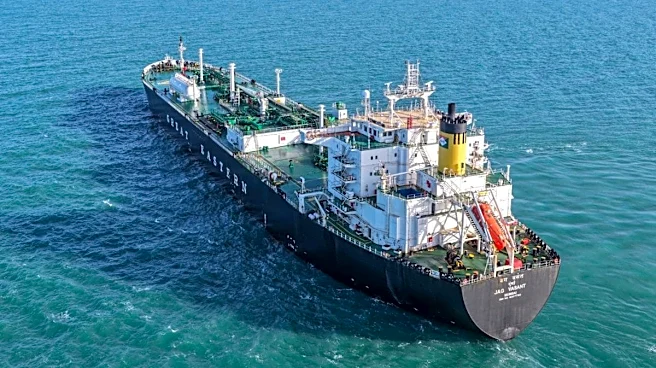
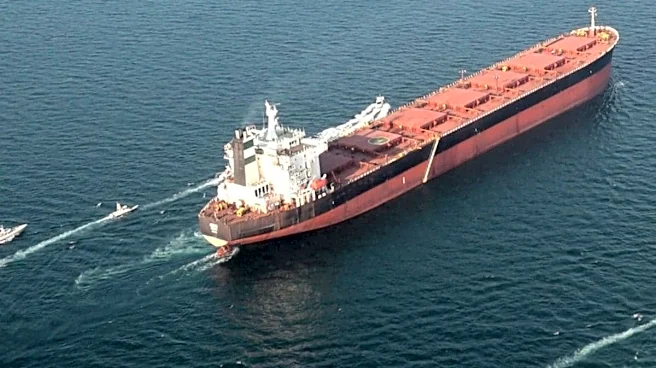
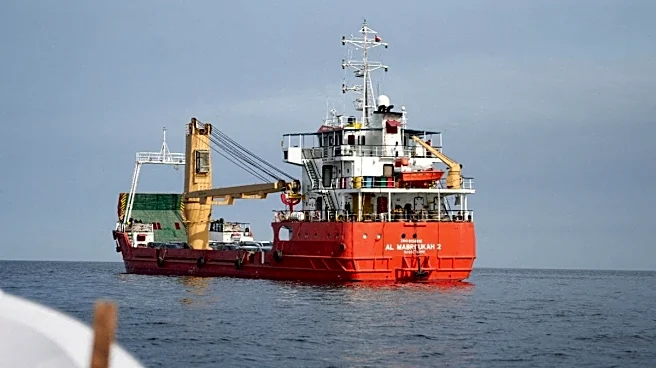
Data on vessel traffic showed that around 20 ships, including container vessels, bulk carriers and tankers, moved through the Gulf towards the Strait of Hormuz on Friday evening. However, most of them did not complete the journey and reversed course.
Among these were
three container ships operated by French shipping firm CMA CGM, which chose not to comment. This group marked the largest attempt to cross the strait since the conflict began.
A BBC report noted that maritime organisations are still assessing whether it is safe for ships to pass through. Tracking systems continue to show only minimal movement in the area.
Safety concerns persist in Hormuz
The International Maritime Organization has said it still requires clear assurances about safety. Its head, Arsenio Dominguez, said the shipping industry needs confirmation that navigation through the strait carries no risk and follows international law.
He added that while some ships may have begun sailing, this remains difficult to confirm. In some cases, vessels switch off their identification systems to avoid being targeted, making tracking harder.
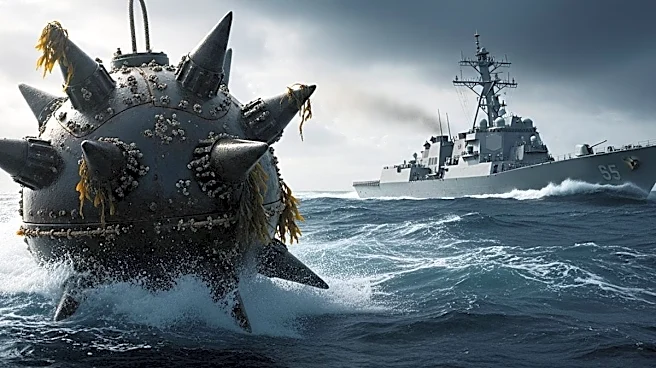
Cormac McGarry, a maritime security expert at Control Risks, said he remained cautious. He said the latest announcement had not improved the situation and warned that the threat of mines still exists.
US position and military presence
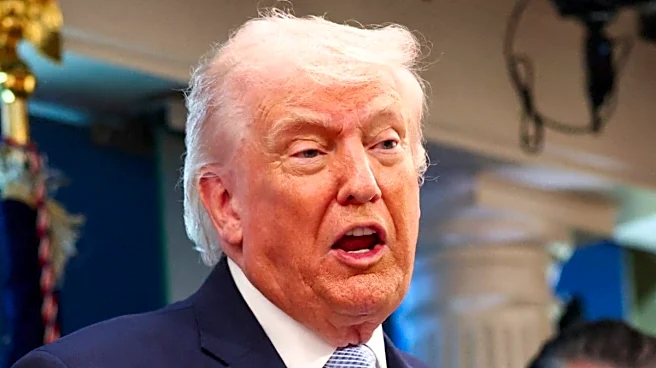
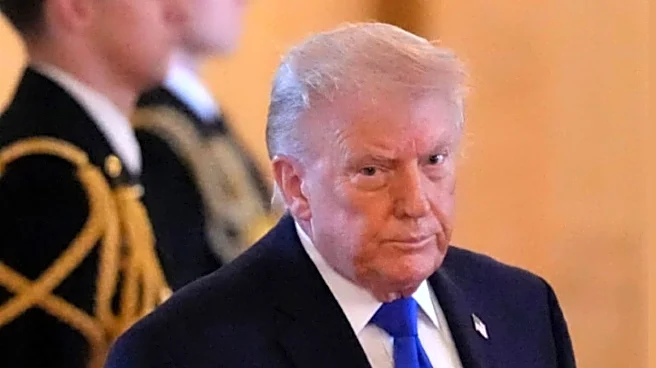
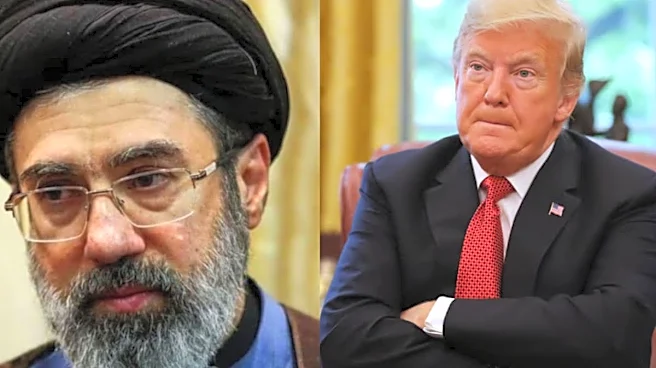
Earlier on Saturday, US President Donald Trump stated that the strait was “fully open and ready for full passage”. However, he also made clear that the American naval blockade would continue until Iran agrees to a deal, including over its nuclear programme.
US Central Command confirmed that the guided-missile destroyer USS Michael Murphy is currently patrolling the Arabian Sea. According to a statement, 21 ships have already followed US instructions to turn back towards Iran since the blockade began.
Iran sets conditions
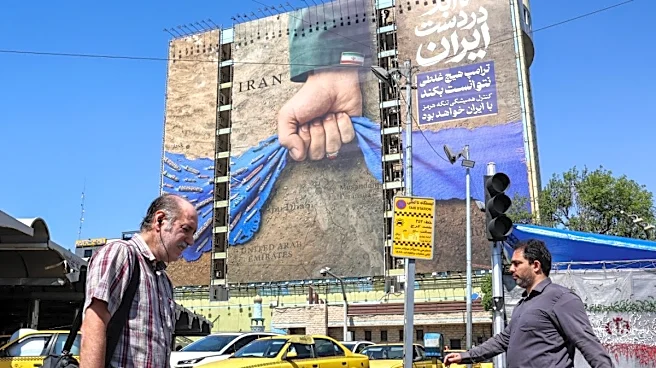
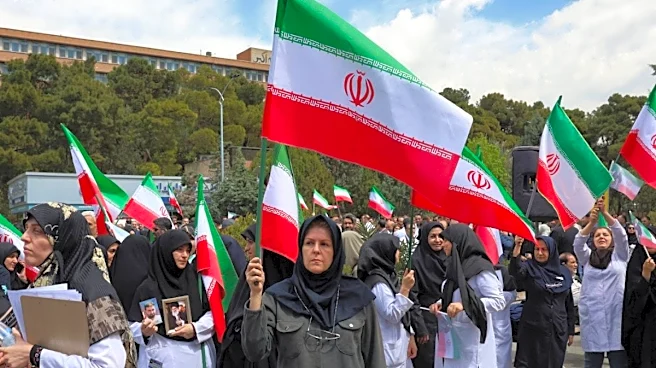
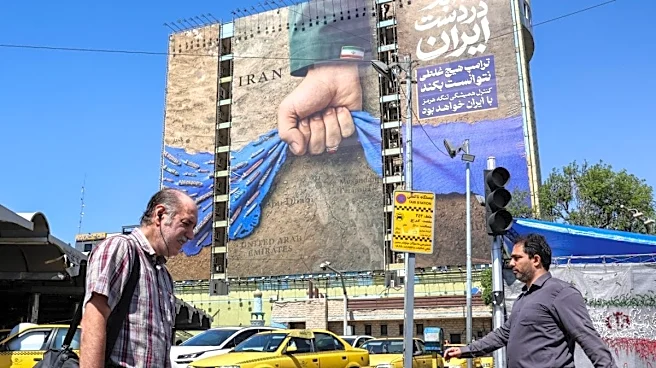
Iran has also imposed its own conditions on access to the strait. It warned that it could shut the route again if the US continues its blockade of Iranian ships and ports.
Foreign Minister Abbas Araghchi announced that commercial vessels would be allowed to pass during the remaining period of a 10-day ceasefire between Israel and Lebanon. However, Iranian officials later clarified that ships must follow a designated route, and military vessels would not be allowed through.
Iran’s defence ministry spokesperson Reza Talaei-Nik said on Saturday that the strait is open only under the current ceasefire and on a limited basis. He said the passage is conditional, with military vessels and ships linked to hostile forces barred from transit. He added that the arrangement is temporary and could be reversed if pressure on the Iran-backed Hezbollah group in Lebanon increases.
The Strait of Hormuz is open only under the current ceasefire and on a conditional basis, with restrictions on certain vessels, Iran’s defense ministry spokesperson said on Saturday.
“The Strait of Hormuz is open only in a ceasefire situation and on a limited basis, on the…
— Iran International English (@IranIntl_En) April 18, 2026
Global trade at stake
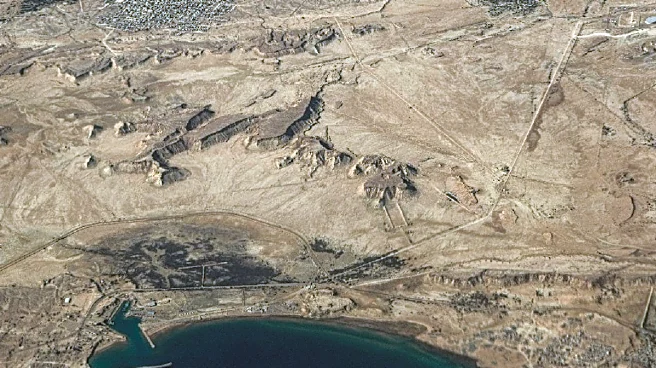
The Strait of Hormuz is a key route for global energy supplies. Around 20 per cent of the world’s oil and liquefied natural gas usually passes through it. Before the conflict, about 138 ships crossed the strait regularly, carrying oil and fertilisers vital to global markets.
Since hostilities began, traffic has dropped sharply. Iranian threats and attacks brought movement through the narrow passage close to a halt, with numbers falling below 100 ships in March.
What’s next?
At the start of the blockade, the United States tried to resolve the situation through diplomatic channels and backdoor talks. When these efforts failed, it increased its military presence in the region and considered naval escorts for oil tankers.
With both sides now sending mixed signals, the situation remains uncertain. While the strait is technically open, shipping companies and maritime authorities are still waiting for clear guarantees before resuming normal operations.