
/images/ppid_a911dc6a-image-177495853200318331.webp)

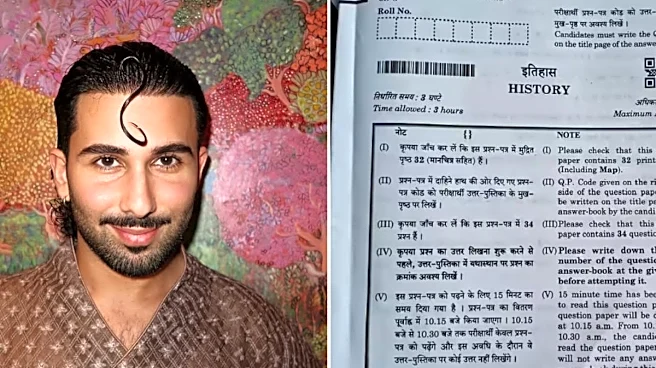
CBSE board exams, usually known for their high stakes and academic rigour, have taken an unexpected turn into internet culture this year. An unusual incident during the class 12 History board exam held on March 30, 2026, has left students entertained and the internet buzzing.
At the centre of the internet chatter this year are QR codes printed on the question papers, a feature introduced as a security measure to verify the authenticity of exam documents. However, students reported that scanning the QR code on the History paper led them to search results featuring internet personality Orhan Awatramani, widely known as Orry.
Videos capturing the moment quickly surfaced on social media platforms, where they spread rapidly and triggered a wave of
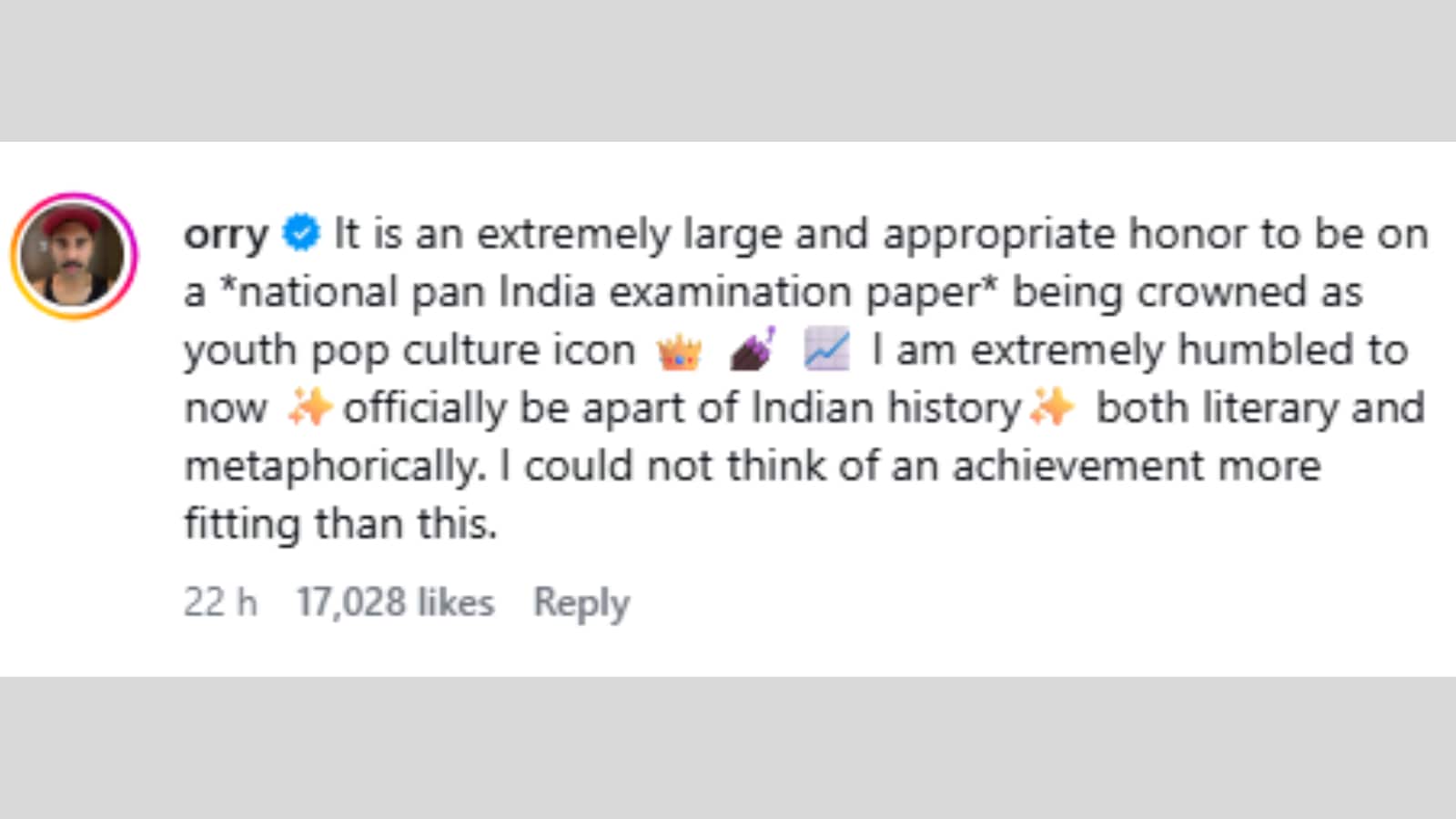
memes and reactions. This did not go unnoticed by Orry himself. Sharing a video online, he scanned the QR code and reacted with visible excitement upon seeing his own search page.
“Oh, that’s my dream. Oh my gosh! I am on the CBSE exam paper,” he said in the clip, further fuelling online engagement. He captioned the post, “CBSE paper is the new phuljadi packet.”
View this post on Instagram
This is not an isolated instance. Earlier, during the Class 12 Mathematics examination on March 9, students encountered a different kind of surprise.
Scanning the QR code reportedly redirected them to Never Gonna Give You Up, the iconic track by Rick Astley, a classic example of the internet prank known as “rickrolling.” The incident had similarly gone viral, with students sharing their reactions and finding humour amid exam stress.
CBSE had previously clarified, in response to the Maths paper incident, that the QR codes are embedded solely for security purposes and are meant to help authorities verify the legitimacy of the question paper.
They are not intended to direct users to external or unrelated content. The board maintained that the integrity of the examination process remained intact.
Despite these assurances, the recurrence of such incidents has raised eyebrows and sparked conversations about the implementation of technology in critical academic settings. For a system that oversees millions of students across the country, even minor anomalies can quickly gain traction and shape public perception.
As memes continue to circulate and the incidents remain a topic of discussion online, despite the clarification, the unusual blend of high-pressure board exams and internet humour drew strong reactions across social media.


/images/ppid_a911dc6a-image-177503783287871087.webp)

/images/ppid_a911dc6a-image-177493643119888616.webp)

/images/ppid_a911dc6a-image-177494793268835180.webp)
/images/ppid_a911dc6a-image-177511033899329322.webp)
/images/ppid_a911dc6a-image-177504042624220334.webp)