
/images/ppid_59c68470-image-178790253527583968.webp)
/images/ppid_59c68470-image-178793005140673735.webp)

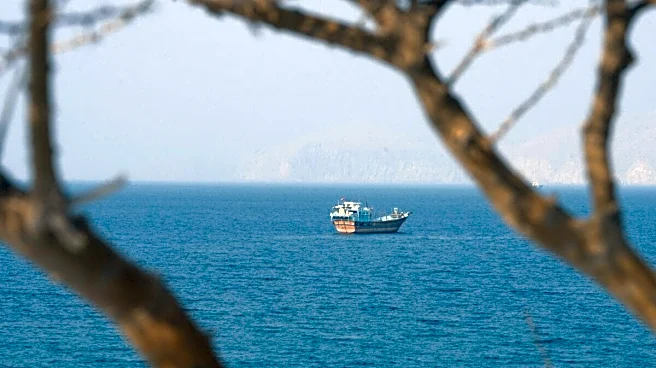
The United States Central Command (CENTCOM) announced Thursday that mines planted by Iran in the Strait of Hormuz were cleared, describing it as a “major milestone” in the strategic waterway.
In a video message posted on ‘X’, Commander of US CENTCOM Brad Cooper said: “The US military has achieved a major milestone in the Strait of Hormuz. We have successfully cleared sea mines in the Strait’s international shipping lanes that were laid months ago by Iran’s Islamic Revolutionary Guard Corps (IRGC)”.
“Over the past few months, our forces meticulously and quietly cleared the sea mine threats using a combination of navy diverse, and navy seas along with the US air power from the Army, Navy and Air Force”, Cooper said.
He underlined that the circumstances
were “challenging and dangerous to say the least, but we got the job done”.
Update from CENTCOM Commander: pic.twitter.com/osPbltjJ1C
— U.S. Central Command (@CENTCOM) August 28, 2026
Cooper declared that the international shipping lanes in the Strait of Hormuz are “open, and the momentum is building”.
The Strait of Hormuz, a crucial maritime chokepoint handling nearly a fifth of global energy trade, became a flashpoint in US-Iran tensions after Tehran moved to block the waterway in response to the strikes.
News18 Also Covered: ‘Lies Netanyahu Fabricates’: Iran Security Chief Rejects Barron Trump Assassination Plot Claim
‘US Troops Executing Naval Blockade On Iran’
Brad Cooper said 50,000 US troops were engaged in executing the naval blockade on Iran, while maintaining navigation movement through the Strait of Hormuz.
“Many of our 50,000 troops operating across the region are doing outstanding work executing the naval blockade against Iran, while maintaining the commercial traffic flow through the Strait of Hormuz”, he said.
The development unfolds amid persistent tensions between the US and Iran, particularly in the wake of Washington’s announcement of “Operation Economic Outcast” against Tehran.
On Monday, US Treasury Secretary Scott Bessent issued a global warning for countries to break all financial ties with Iran or risk being barred from the US dollar system, stepping up economic pressure on Tehran.
“In the Second World War, D-Day marked the historic beginning of a campaign with our allies to target and drive the enemy from its positions, including those in third countries. Today, in that same spirit, we are launching an economic onslaught against Iran’s financial connections around the globe,” Bessent said.
He added that the objective of the operation was to isolate Iran by severing “every economic lifeline” that sustains what he described as the “tyrannical regime”.
The war on Iran began on February 28, when the US and Israel launched coordinated strikes on Tehran and killed its Supreme Leader, Ali Khamenei. In retaliation, Iran targeted US military facilities across the Gulf and subsequently blocked the Strait of Hormuz –– a move that saw global economies plunging into chaos.

/images/ppid_59c68470-image-178789508463184599.webp)




/images/ppid_59c68470-image-178788260178127999.webp)