



The monsoon offers a welcome respite from the scorching summer heat, but it also brings a season when our immunity is constantly put to the test. Higher humidity, fluctuating temperatures and the risk of water contamination can increase the likelihood of digestive issues, skin infections, respiratory illnesses and seasonal allergies.
Dr Sujit Paul, Group Chief Executive Officer & Health Expert, Zota Health Care Ltd., shares Ayurveda has long recognised these seasonal changes and advocates a preventive approach to health by incorporating herbs and botanicals that help the body maintain its natural balance.
Neem: Nature’s First Line of Defence
Neem has been a cornerstone of Ayurvedic healthcare for centuries, thanks to its antibacterial, antifungal and anti-inflammatory properties.
Dr Paul explains that neem helps keep the skin healthy and may protect against fungal infections and acne, both of which tend to become more common during the monsoon. Traditionally, it has also been used to support oral health and strengthen the body’s natural defence mechanisms.
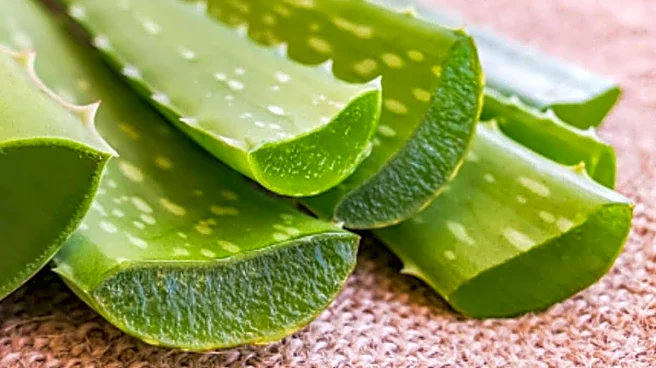
Aloe Vera: Hydration and Skin Protection
Humid weather can leave the skin irritated, itchy and more susceptible to infections. According to Dr Paul, aloe vera is well known for its soothing, moisturising and cooling properties. It helps calm inflamed skin while supporting the skin’s natural repair process. When consumed appropriately, aloe vera may also promote digestive comfort, which is especially beneficial during a season when stomach and gut infections become more common.
Tulsi: Strengthening Seasonal Immunity
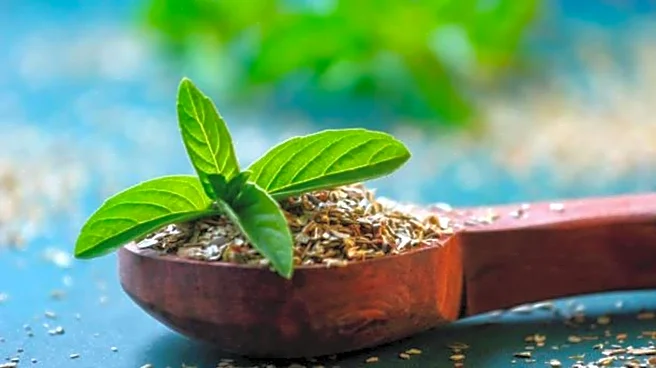
Tulsi, or holy basil, is one of Ayurveda’s most celebrated herbs for supporting immunity and respiratory health.
Rich in antioxidants and beneficial plant compounds, Dr Paul says tulsi may help the body better cope with seasonal coughs, colds, sore throats and allergy-related discomfort. Whether enjoyed as a warm cup of tea or consumed as fresh leaves, incorporating tulsi into your daily routine can be a simple yet effective wellness habit during the rainy season.
Turmeric: Everyday Immune Support
Turmeric contains curcumin, a powerful compound known for its antioxidant and anti-inflammatory properties.
Regularly incorporating turmeric into everyday meals may help support immune function and naturally regulate inflammation, says Dr Paul. Pairing turmeric with black pepper further enhances curcumin absorption, allowing the body to utilise its benefits more effectively.
Ginger: Keeping Digestion on Track
Digestive health often becomes vulnerable during the monsoon due to irregular eating habits and the increased risk of food contamination.
Dr Paul notes that ginger supports healthy digestion, helps relieve bloating and nausea, and provides a warming effect that feels particularly comforting during damp weather. It may also support respiratory health by soothing mild throat irritation.
Amla: A Nutritional Powerhouse
Packed with vitamin C and antioxidants, amla plays an important role in strengthening the immune system and protecting the body against oxidative stress.
According to Dr Paul, consuming amla regularly may also contribute to healthier-looking skin and improved vitality, helping the body adapt more effectively to seasonal transitions.
A Holistic Approach to Monsoon Wellness
While these Ayurvedic ingredients have stood the test of time, Dr Paul emphasises that they should be viewed as part of a holistic lifestyle rather than standalone remedies.
A balanced diet, safe drinking water, adequate sleep, regular physical activity and good personal hygiene remain the foundation of good health during the monsoon. Individuals with existing medical conditions or those taking prescribed medications should consult a qualified healthcare professional before using herbal supplements regularly.
As Dr Paul concludes, Ayurveda reminds us that prevention is the cornerstone of long-term wellness. By thoughtfully incorporating these trusted ingredients into your daily routine, you can build greater resilience, maintain better balance and enjoy improved overall well-being throughout the monsoon season.