


What is the story about?
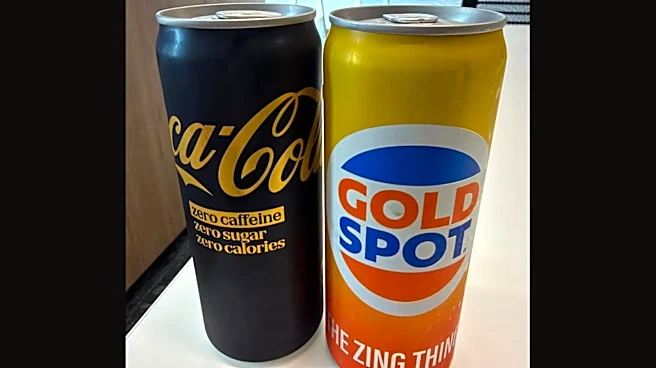
Coca-Cola India is bringing back Gold Spot after 26 years. Top sources at the company told CNBC-TV18 that the revival will be tightly controlled, with a narrow rollout.
"Yes, with low sugar, only in cans, trying in quick commerce," one source said when asked if the orange fizz was back.
Coke Zero-Zero is coming too
The bigger news may be what comes with it. Coca-Cola is also launching Coke Zero Zero, a variant with zero sugar and zero caffeine. "We are also launching Coke Zero Zero to extend the drinking occasion to midnight. It is a zero-sugar, zero-caffeine drink. It's our way of premiumisation and building digital-only brands," a source said.
Taking out the caffeine lets Coke go after late-evening drinking, when many consumers avoid caffeinated drinks.
Why launch in the off-season?
A winter launch for a cold drink looks odd, especially post-festive season. But sources say cans have changed the seasonality of the category. "Nowadays, cans have similar demand across months. It is a de-seasonalisation strategy," one of them said.
The Zing Thing stays
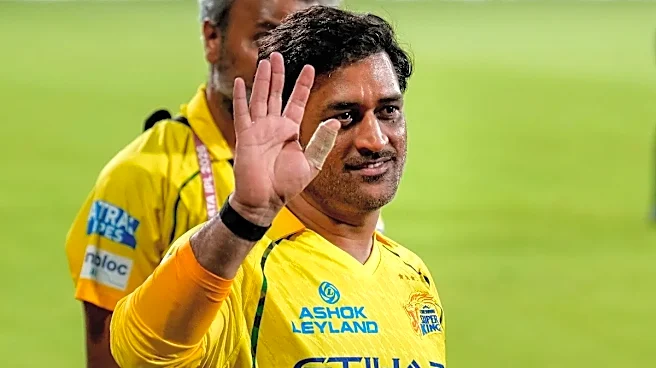
Gold Spot's old tagline, "The Zing Thing", will stay. "Yes. Nostalgia and retro is a consumer trend," the source said. Over the weekend, social media posts showing former India captain MS Dhoni and his wife with Gold Spot cans went viral.
Won't it eat into Fanta?
Coca-Cola dropped Gold Spot in 2000 to make room for Fanta, its global orange brand. Sources say the revival is built so it doesn't compete with Fanta. "No. This is launched in a can at a higher price, not in PET. Only quick commerce," a source said.
The Diet Coke playbook
The company plans to keep Gold Spot a limited drop. "It will be a limited drop always, a similar playbook to Diet Coke," a source said. According to the sources, Diet Coke grew 3X this year on a creator-led, limited-availability model that relied only on user-generated content.
What Coke says vs what the market reads
Coca-Cola's stated reasons are clear. Gold Spot returns as a low-sugar drink as demand for healthier options grows. Bottling industry associates told The Economic Times that diet and light drinks now make up over 60% of Coca-Cola's total annual sales, up from about 30% last year. The government's proposal to require red hexagonal front-of-pack labels for high sugar, salt and fat is speeding up that shift.
But there are two other reasons worth watching.
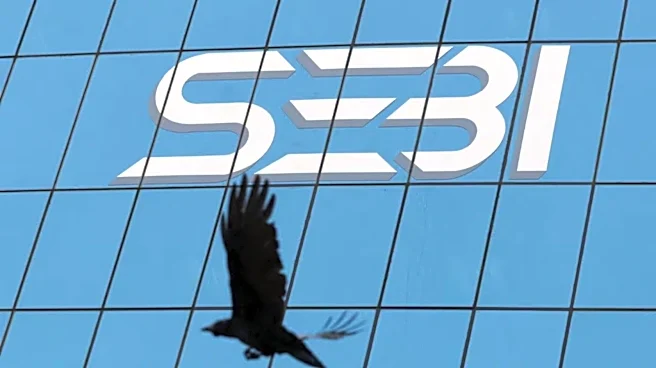
The first is the IPO. Hindustan Coca-Cola Holdings, parent of India's largest Coca-Cola bottler HCCB, filed its draft papers with SEBI on November 6. The issue is entirely an offer for sale, and The Coca-Cola Company plans to cut its stake from 60% to about 45%. A fresher, wider brand bouquet with premium cans and new digital-first launches makes a stronger growth story for investors heading into the listing.
The second is nostalgia maxxing. Brand owners are increasingly pairing the familiarity of an old name with a new formulation, format and price point. Gold Spot's soft launch, with Dhoni seen holding the can in an apparently organic social media moment rather than a formal campaign, fits that pattern.
Competition is heating up too. Reliance Consumer Products' Campa, Lahori Zeera, Bindu Zeera, ITC's Coconut Cola and Zyro by Veera Foods have been challenging Coca-Cola and PepsiCo. Coca-Cola acquired Gold Spot from Ramesh Chauhan in 1993, along with Thums Up and Limca. Earlier this year, it also brought back another legacy brand, Rimzim Jeera.

"Yes, with low sugar, only in cans, trying in quick commerce," one source said when asked if the orange fizz was back.
Coke Zero-Zero is coming too
The bigger news may be what comes with it. Coca-Cola is also launching Coke Zero Zero, a variant with zero sugar and zero caffeine. "We are also launching Coke Zero Zero to extend the drinking occasion to midnight. It is a zero-sugar, zero-caffeine drink. It's our way of premiumisation and building digital-only brands," a source said.
Taking out the caffeine lets Coke go after late-evening drinking, when many consumers avoid caffeinated drinks.
Why launch in the off-season?
A winter launch for a cold drink looks odd, especially post-festive season. But sources say cans have changed the seasonality of the category. "Nowadays, cans have similar demand across months. It is a de-seasonalisation strategy," one of them said.
The Zing Thing stays
Gold Spot's old tagline, "The Zing Thing", will stay. "Yes. Nostalgia and retro is a consumer trend," the source said. Over the weekend, social media posts showing former India captain MS Dhoni and his wife with Gold Spot cans went viral.
Won't it eat into Fanta?
Coca-Cola dropped Gold Spot in 2000 to make room for Fanta, its global orange brand. Sources say the revival is built so it doesn't compete with Fanta. "No. This is launched in a can at a higher price, not in PET. Only quick commerce," a source said.
The Diet Coke playbook
The company plans to keep Gold Spot a limited drop. "It will be a limited drop always, a similar playbook to Diet Coke," a source said. According to the sources, Diet Coke grew 3X this year on a creator-led, limited-availability model that relied only on user-generated content.
What Coke says vs what the market reads
Coca-Cola's stated reasons are clear. Gold Spot returns as a low-sugar drink as demand for healthier options grows. Bottling industry associates told The Economic Times that diet and light drinks now make up over 60% of Coca-Cola's total annual sales, up from about 30% last year. The government's proposal to require red hexagonal front-of-pack labels for high sugar, salt and fat is speeding up that shift.
But there are two other reasons worth watching.
The first is the IPO. Hindustan Coca-Cola Holdings, parent of India's largest Coca-Cola bottler HCCB, filed its draft papers with SEBI on November 6. The issue is entirely an offer for sale, and The Coca-Cola Company plans to cut its stake from 60% to about 45%. A fresher, wider brand bouquet with premium cans and new digital-first launches makes a stronger growth story for investors heading into the listing.
The second is nostalgia maxxing. Brand owners are increasingly pairing the familiarity of an old name with a new formulation, format and price point. Gold Spot's soft launch, with Dhoni seen holding the can in an apparently organic social media moment rather than a formal campaign, fits that pattern.
Competition is heating up too. Reliance Consumer Products' Campa, Lahori Zeera, Bindu Zeera, ITC's Coconut Cola and Zyro by Veera Foods have been challenging Coca-Cola and PepsiCo. Coca-Cola acquired Gold Spot from Ramesh Chauhan in 1993, along with Thums Up and Limca. Earlier this year, it also brought back another legacy brand, Rimzim Jeera.
/images/ppid_59c68470-image-179542505305320625.webp)


/images/ppid_59c68470-image-179545254652859723.webp)
/images/ppid_59c68470-image-17954300494681235.webp)
/images/ppid_59c68470-image-179557253065991988.webp)
/images/ppid_59c68470-image-1795602645016231.webp)
/images/ppid_59c68470-image-179532751715228607.webp)
/images/ppid_59c68470-image-179545003868997627.webp)


/images/ppid_59c68470-image-179533752206926488.webp)