/images/ppid_59c68470-image-177823253098651263.webp)

What is the story about?
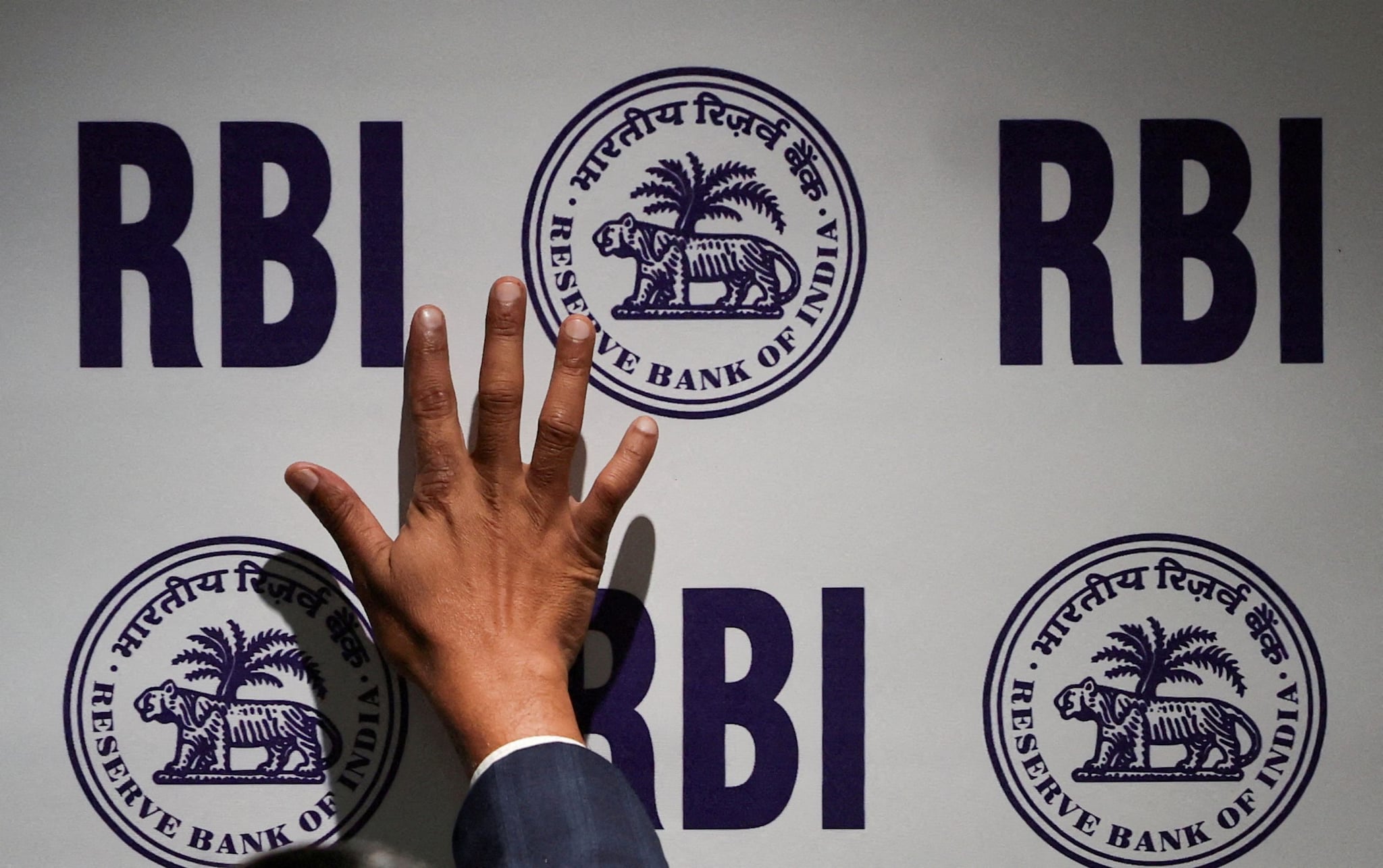
Employees of the Reserve Bank of India staged a protest on Friday morning, opposing a new internal policy that makes promotion vacancy-based, replacing what was previously a time-bound, automatic progression. Sources with direct knowledge of the matter told CNBC-TV18 that the planned agitation marks a rare instance of organised employee dissent at India’s central bank.
Under the existing structure, a Grade C officer, designated as Assistant General Manager, who completes five years of service, is automatically eligible for promotion to Grade D, the Deputy General Manager level, regardless of how many DGM positions are open. Under the new policy, that guarantee is removed.
Officers must now wait for a vacancy to arise, meaning advancement depends not on tenure or performance, but on attrition and organisational headcount, both entirely outside an individual’s control.
The Grade B to Grade C promotion remains unchanged. It continues to be time-bound at seven years of service.
The RBI’s officer cadre runs from Grade A through Grade F. Promotions have historically been time-bound: Grade B to C takes seven years, Grade C to D previously took five years and was automatic, Grade D to E takes around four to five years on a performance basis, and Grade E to F involves an interview.
The Grade C to Grade D transition is the entry point into the RBI’s senior executive pipeline. As per sources, officers argue the shift is particularly harsh given that career timelines at the RBI are already long. Seven years to the first promotion, five more to the second. Making the third promotion indefinitely contingent on vacancies, they say, fundamentally changes the career proposition at the central bank.
This is not the first time a promotion policy has triggered unrest. In December 2018, a circular raising the non-promotion cut-off from the bottom 10% of officers to the bottom 25% sparked a spontaneous strike, with agitated officers demanding to meet the then-Governor.
Also Read: SBI Q4 Results: Core income growth of 4% misses estimates; Stock falls 5%
This protest also comes as external recruitment through the RBI Grade B exam has declined sharply. Vacancies stood at 294 in 2022 and 291 in 2023, before falling to 94 in 2024, recovering slightly to 120 in 2025, and dropping again to just 60 in the current 2026 cycle, the lowest ever recorded.
Applications for the 2026 exam are open until May 20. With fewer officers entering at Grade B and internal promotions now constrained at Grade C to D, officers say the career pipeline is narrowing from both ends simultaneously.
RBI’s position.
CNBC-TV18 has reached out to the Reserve Bank of India for an official response. This story will be updated upon receipt of a reply.
Under the existing structure, a Grade C officer, designated as Assistant General Manager, who completes five years of service, is automatically eligible for promotion to Grade D, the Deputy General Manager level, regardless of how many DGM positions are open. Under the new policy, that guarantee is removed.
Officers must now wait for a vacancy to arise, meaning advancement depends not on tenure or performance, but on attrition and organisational headcount, both entirely outside an individual’s control.
The Grade B to Grade C promotion remains unchanged. It continues to be time-bound at seven years of service.
The RBI’s officer cadre runs from Grade A through Grade F. Promotions have historically been time-bound: Grade B to C takes seven years, Grade C to D previously took five years and was automatic, Grade D to E takes around four to five years on a performance basis, and Grade E to F involves an interview.
The Grade C to Grade D transition is the entry point into the RBI’s senior executive pipeline. As per sources, officers argue the shift is particularly harsh given that career timelines at the RBI are already long. Seven years to the first promotion, five more to the second. Making the third promotion indefinitely contingent on vacancies, they say, fundamentally changes the career proposition at the central bank.
This protest also comes as external recruitment through the RBI Grade B exam has declined sharply. Vacancies stood at 294 in 2022 and 291 in 2023, before falling to 94 in 2024, recovering slightly to 120 in 2025, and dropping again to just 60 in the current 2026 cycle, the lowest ever recorded.
This is not the first time a promotion policy has triggered unrest. In December 2018, a circular raising the non-promotion cut-off from the bottom 10% of officers to the bottom 25% sparked a spontaneous strike, with agitated officers demanding to meet the then-Governor.
Also Read: SBI Q4 Results: Core income growth of 4% misses estimates; Stock falls 5%
This protest also comes as external recruitment through the RBI Grade B exam has declined sharply. Vacancies stood at 294 in 2022 and 291 in 2023, before falling to 94 in 2024, recovering slightly to 120 in 2025, and dropping again to just 60 in the current 2026 cycle, the lowest ever recorded.
Applications for the 2026 exam are open until May 20. With fewer officers entering at Grade B and internal promotions now constrained at Grade C to D, officers say the career pipeline is narrowing from both ends simultaneously.
RBI’s position.
CNBC-TV18 has reached out to the Reserve Bank of India for an official response. This story will be updated upon receipt of a reply.
