/images/ppid_59c68470-image-177851253245315761.webp)

/images/ppid_59c68470-image-177847752788039117.webp)
/images/ppid_59c68470-image-177847756530847486.webp)
What is the story about?
Domestic gold mobilisation and recycling could be a better solution to foreign exchange problems rather than deferring purchases, which could threaten the livelihoods of 35 million people, jewellery industry body AIJGF said on Monday.
The All India Jewellers & Goldsmith Federation (AIJGF) has called for an overhaul of the country’s gold mobilisation framework instead of deferring purchases of the precious metal as suggested by Prime Minister Narendra Modi.
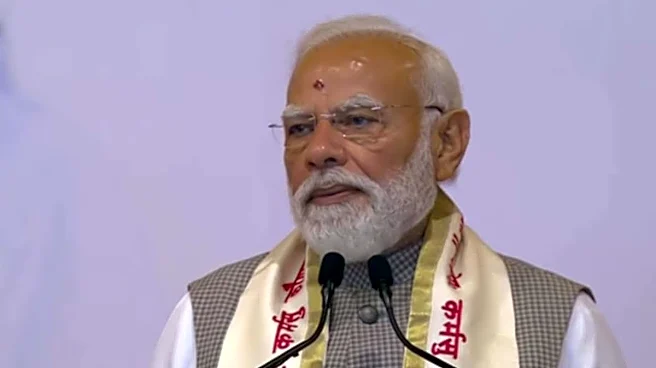
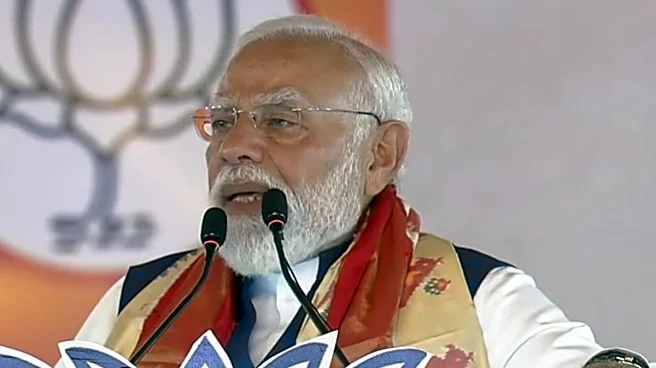
The prime minister on Sunday appealed to citizens to postpone gold purchases as part of measures to save the country’s foreign exchange reserves in view of the global supply chain disruptions triggered by the West Asia war.
In a letter to Commerce Minister Piyush Goyal, AIJGF national President Pankaj Arora said while the government’s concerns over foreign exchange reserves and a swelling import bill were understandable, a broad public appeal discouraging gold purchases without a structural alternative risked devastating the jewellery ecosystem.
”While the intention of protecting India’s foreign exchange reserves is understandable, the solution should not be demand destruction. The solution should be domestic gold mobilisation, recycling and productive circulation of India’s idle gold stocks,” Arora said.
The federation warned that a sudden negative shift in consumer sentiment could reduce footfalls, slow manufacturing orders, and hit the incomes of small jewellers and artisans — the most vulnerable workers in the supply chain.
”This is not merely a gold trade issue. This is a livelihood issue.” Gold holds a unique place in Indian households, the federation noted, serving as a store of savings, a fixture of wedding culture and a source of rural liquidity rather than a discretionary luxury. ”For millions of Indian families, jewellery is not speculation, it is savings in wearable form,” Arora wrote.
The AIJGF instead proposed establishing a dedicated bullion bank, ideally within the GIFT-IFSC or India International Bullion Exchange ecosystem, to serve as a central institution for mobilising, standardising, lending and settling domestic gold.
The federation also called for allowing gold ETFs to lend up to 20-30 per cent of their physical holdings through a regulated bullion bank framework, and suggested a revamp of the government’s gold monetisation scheme, which it said had failed to achieve scale since its 2015 launch due to structural weaknesses.
Other proposals included dematerialised bullion deposit certificates usable as loan collateral, tax and GST neutrality for intra-system gold transfers, and a national dashboard to track gold mobilisation and import substitution.
India has one of the largest privately held gold stocks in the world. The federation estimated that a well-designed bullion bank framework could reduce annual gold import dependence by 200-300 tonnes over time.
”Suppressing jewellery demand can hurt employment, but mobilising domestic gold can save foreign exchange without destroying livelihoods,” the AIJGF said, urging the ministry to convene an inter-ministerial consultation as a matter of urgency.
The All India Jewellers & Goldsmith Federation (AIJGF) has called for an overhaul of the country’s gold mobilisation framework instead of deferring purchases of the precious metal as suggested by Prime Minister Narendra Modi.
The prime minister on Sunday appealed to citizens to postpone gold purchases as part of measures to save the country’s foreign exchange reserves in view of the global supply chain disruptions triggered by the West Asia war.
In a letter to Commerce Minister Piyush Goyal, AIJGF national President Pankaj Arora said while the government’s concerns over foreign exchange reserves and a swelling import bill were understandable, a broad public appeal discouraging gold purchases without a structural alternative risked devastating the jewellery ecosystem.
”While the intention of protecting India’s foreign exchange reserves is understandable, the solution should not be demand destruction. The solution should be domestic gold mobilisation, recycling and productive circulation of India’s idle gold stocks,” Arora said.
The federation warned that a sudden negative shift in consumer sentiment could reduce footfalls, slow manufacturing orders, and hit the incomes of small jewellers and artisans — the most vulnerable workers in the supply chain.
”This is not merely a gold trade issue. This is a livelihood issue.” Gold holds a unique place in Indian households, the federation noted, serving as a store of savings, a fixture of wedding culture and a source of rural liquidity rather than a discretionary luxury. ”For millions of Indian families, jewellery is not speculation, it is savings in wearable form,” Arora wrote.
The AIJGF instead proposed establishing a dedicated bullion bank, ideally within the GIFT-IFSC or India International Bullion Exchange ecosystem, to serve as a central institution for mobilising, standardising, lending and settling domestic gold.
The federation also called for allowing gold ETFs to lend up to 20-30 per cent of their physical holdings through a regulated bullion bank framework, and suggested a revamp of the government’s gold monetisation scheme, which it said had failed to achieve scale since its 2015 launch due to structural weaknesses.
Other proposals included dematerialised bullion deposit certificates usable as loan collateral, tax and GST neutrality for intra-system gold transfers, and a national dashboard to track gold mobilisation and import substitution.
India has one of the largest privately held gold stocks in the world. The federation estimated that a well-designed bullion bank framework could reduce annual gold import dependence by 200-300 tonnes over time.
”Suppressing jewellery demand can hurt employment, but mobilising domestic gold can save foreign exchange without destroying livelihoods,” the AIJGF said, urging the ministry to convene an inter-ministerial consultation as a matter of urgency.

/images/ppid_59c68470-image-177847282585122485.webp)


/images/ppid_59c68470-image-177846515038422796.webp)
/images/ppid_59c68470-image-177848003988551575.webp)

/images/ppid_59c68470-image-177847503160241483.webp)