/images/ppid_59c68470-image-177934508293136426.webp)

/images/ppid_59c68470-image-177911003059488993.webp)
/images/ppid_59c68470-image-177907006321059798.webp)
/images/ppid_59c68470-image-177909761013323079.webp)
What is the story about?
The artificial intelligence (AI) rally still has strong legs despite growing concerns over valuations and upcoming mega initial public offerings (IPOs), according to Drew Pettit, Director-US Equity Strategy/ETF Analysis & Strategy Research at Citi.
Pettit said Nvidia’s latest earnings have reinforced Citi’s bullish view on AI, with strength now spreading across semiconductor, infrastructure and memory-related companies in the US and Asia.
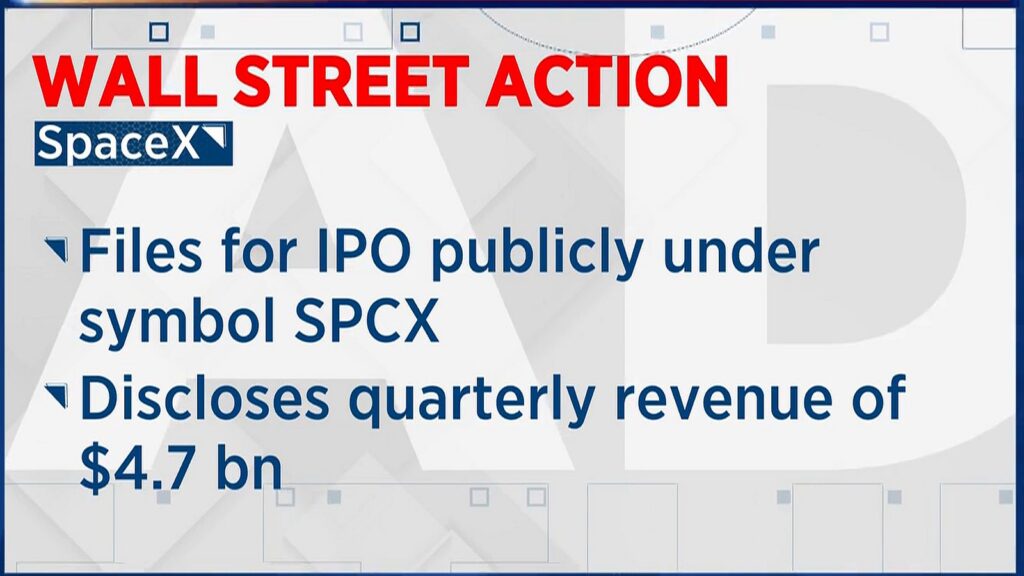
Pettit believes the AI trade remains fundamentally driven rather than speculative, even as investors prepare for potential listings from companies like OpenAI, SpaceX and Anthropic. While Citi remains constructive on technology-linked emerging markets such as South Korea and Taiwan, it has turned underweight on India amid rising global macro and inflation concerns.
This is an edited transcript of the interview.Q: You have earlier described the current AI rally as a boom rather than a bubble. Do you still hold that view after Nvidia’s results?
A: Yes, we still believe this is an AI boom, not a bubble. Nvidia’s results reinforced that view, and we are also seeing strength spread across semiconductor, infrastructure and memory-related companies in the US, South Korea and Taiwan.
The fundamental story remains strong, and we continue to favour AI and earnings momentum.
Q: Some analysts say mega AI IPOs like OpenAI, SpaceX and Anthropic could cool investor enthusiasm. Do you agree?
A: These IPOs will be huge, and investors will need to make room for them in portfolios. But at the same time, there has been very little exciting equity supply in recent years, so there is significant pent-up demand in the market.
Historically, markets tend to perform well for a few months even after equity supply starts increasing.
 Q: What is Citi’s positioning on emerging markets (EMs), especially India?
A: We have moved emerging markets to neutral in our global allocation strategy. Within EM, we are overweight in South Korea, Taiwan and South Africa, mainly because of the narrowing technology trade.
On the other hand, we are underweight in India, Saudi Arabia, Mexico and Chile.
Watch the full conversation hereQ: How important is the Fed leadership debate for markets right now?
A: Rate volatility will react first to any change in Fed leadership, but at this moment, the market is far more focused on oil and inflation.
Also Watch | Jyotivardhan Jaipuria turns bullish on small caps, sees earnings recovery driving next rally
The inflation story, driven by energy prices and geopolitical concerns, is currently having a bigger impact on global asset allocation and equities than discussions around the next Fed chair.
Catch all the latest updates from the stock market here
Pettit said Nvidia’s latest earnings have reinforced Citi’s bullish view on AI, with strength now spreading across semiconductor, infrastructure and memory-related companies in the US and Asia.
Pettit believes the AI trade remains fundamentally driven rather than speculative, even as investors prepare for potential listings from companies like OpenAI, SpaceX and Anthropic. While Citi remains constructive on technology-linked emerging markets such as South Korea and Taiwan, it has turned underweight on India amid rising global macro and inflation concerns.
This is an edited transcript of the interview.Q: You have earlier described the current AI rally as a boom rather than a bubble. Do you still hold that view after Nvidia’s results?
A: Yes, we still believe this is an AI boom, not a bubble. Nvidia’s results reinforced that view, and we are also seeing strength spread across semiconductor, infrastructure and memory-related companies in the US, South Korea and Taiwan.
The fundamental story remains strong, and we continue to favour AI and earnings momentum.
Q: Some analysts say mega AI IPOs like OpenAI, SpaceX and Anthropic could cool investor enthusiasm. Do you agree?
A: These IPOs will be huge, and investors will need to make room for them in portfolios. But at the same time, there has been very little exciting equity supply in recent years, so there is significant pent-up demand in the market.
Historically, markets tend to perform well for a few months even after equity supply starts increasing.
Q: What is Citi’s positioning on emerging markets (EMs), especially India?
A: We have moved emerging markets to neutral in our global allocation strategy. Within EM, we are overweight in South Korea, Taiwan and South Africa, mainly because of the narrowing technology trade.
On the other hand, we are underweight in India, Saudi Arabia, Mexico and Chile.
Watch the full conversation hereQ: How important is the Fed leadership debate for markets right now?
A: Rate volatility will react first to any change in Fed leadership, but at this moment, the market is far more focused on oil and inflation.
Also Watch | Jyotivardhan Jaipuria turns bullish on small caps, sees earnings recovery driving next rally
The inflation story, driven by energy prices and geopolitical concerns, is currently having a bigger impact on global asset allocation and equities than discussions around the next Fed chair.
Catch all the latest updates from the stock market here



/images/ppid_59c68470-image-177932254477136634.webp)
/images/ppid_59c68470-image-177932758022666513.webp)
/images/ppid_59c68470-image-177925252148696610.webp)

/images/ppid_59c68470-image-177908510231472887.webp)

/images/ppid_59c68470-image-177907753261912683.webp)