/images/ppid_59c68470-image-178489263019645799.webp)


/images/ppid_59c68470-image-178464506299635160.webp)
/images/ppid_59c68470-image-178464008131967770.webp)
What is the story about?
Crude oil prices are likely to remain volatile in the near term as geopolitical tensions in West Asia continue to disrupt market sentiment, but prices should gradually ease later this year if supply routes recover, according to Iman Nasseri, Managing Director of Middle East Research at FGE NexantECA.
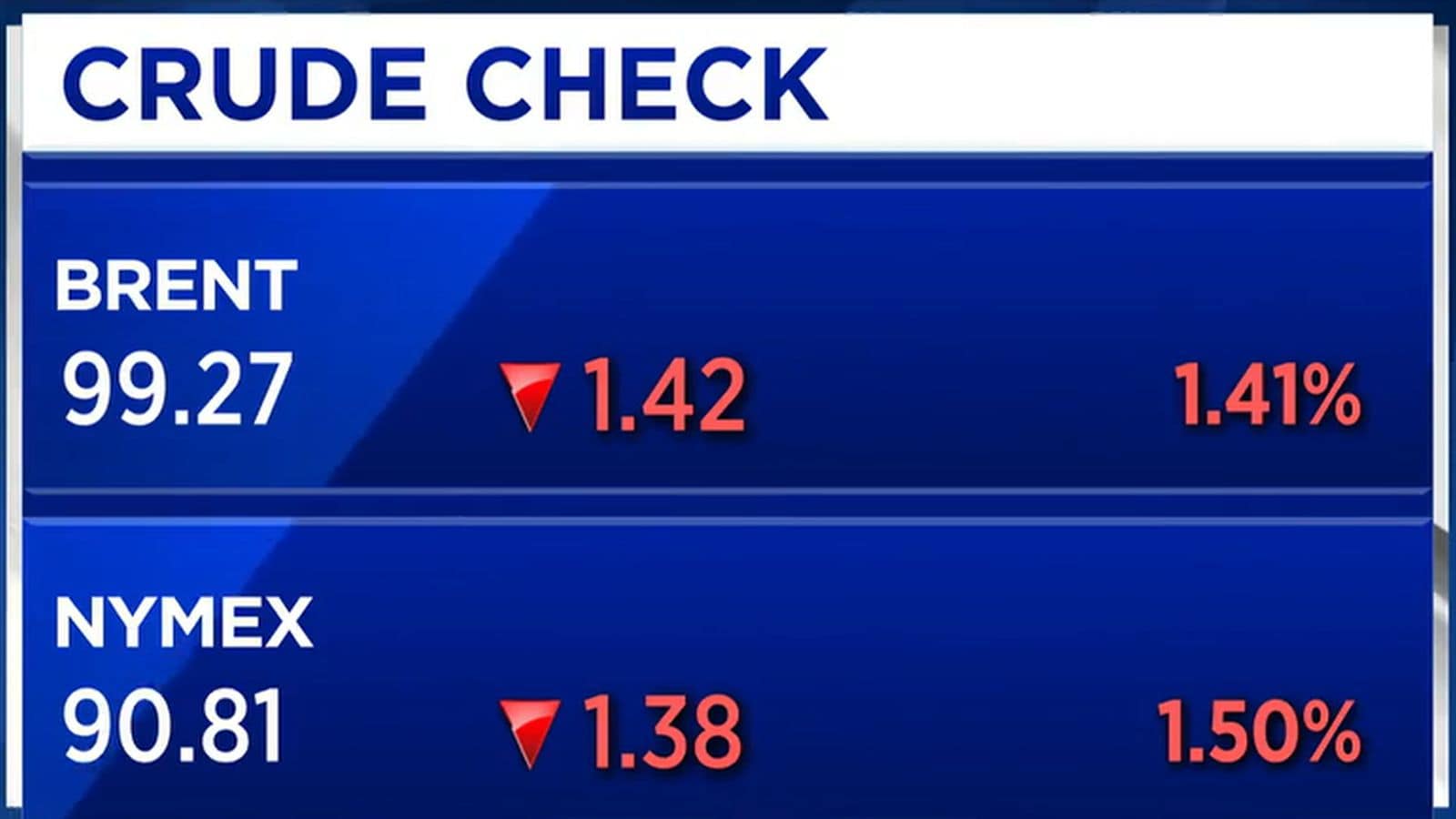
Nasseri said the market remains driven by geopolitical headlines, particularly concerns around the Strait of Hormuz and disruptions in the Bab el-Mandeb shipping route. While oil has climbed above $100 per barrel, he expects prices to move lower as supply flows normalise and tensions begin to ease.
FGE NexantECA forecasts third-quarter Brent crude prices to average around $82.5 per barrel, while fourth-quarter prices are expected to settle in the $75-$80 per barrel range, assuming a gradual recovery in supply.
"The market continues to be heavily impacted by geopolitics," Nasseri said. "The volatility is going to be there with us for probably the rest of this year, certainly as long as the issue within West Asia is not fully settled."
Nasseri said the recent price spike reflects fears of prolonged supply disruptions rather than an immediate shortage of crude. According to him, every major headline suggesting a disruption has pushed prices higher by $5-$10 per barrel, while expectations of a longer disruption could lift prices by as much as $15-$20 per barrel.
He noted that the market is currently focused on two major risks: the ongoing US-Iran tensions affecting the Strait of Hormuz and shipping disruptions around Bab el-Mandeb.
"In our opinion, it can put three to four million barrels per day of supply at risk," Nasseri said. However, he added that the actual supply impact may be smaller than feared because Saudi Arabia has alternative export routes through the Red Sea and Egypt's SUMED pipeline, while traffic management measures at the Suez Canal could also reduce disruptions.
Despite the current uncertainty, Nasseri expects markets to stabilise once investors gain greater clarity on shipping routes and regional developments.
Nasseri said the direction of oil prices will largely depend on geopolitical developments. His base-case scenario assumes that supply disruptions gradually ease during the second half of 2026, allowing prices to retreat from current levels. However, he cautioned that either a renewed escalation or progress toward a peace agreement could quickly change market sentiment.
For the full interview, watch the accompanying video Catch all the latest updates from the stock market here
Nasseri said the market remains driven by geopolitical headlines, particularly concerns around the Strait of Hormuz and disruptions in the Bab el-Mandeb shipping route. While oil has climbed above $100 per barrel, he expects prices to move lower as supply flows normalise and tensions begin to ease.
FGE NexantECA forecasts third-quarter Brent crude prices to average around $82.5 per barrel, while fourth-quarter prices are expected to settle in the $75-$80 per barrel range, assuming a gradual recovery in supply.
"The market continues to be heavily impacted by geopolitics," Nasseri said. "The volatility is going to be there with us for probably the rest of this year, certainly as long as the issue within West Asia is not fully settled."
Nasseri said the recent price spike reflects fears of prolonged supply disruptions rather than an immediate shortage of crude. According to him, every major headline suggesting a disruption has pushed prices higher by $5-$10 per barrel, while expectations of a longer disruption could lift prices by as much as $15-$20 per barrel.
He noted that the market is currently focused on two major risks: the ongoing US-Iran tensions affecting the Strait of Hormuz and shipping disruptions around Bab el-Mandeb.
"In our opinion, it can put three to four million barrels per day of supply at risk," Nasseri said. However, he added that the actual supply impact may be smaller than feared because Saudi Arabia has alternative export routes through the Red Sea and Egypt's SUMED pipeline, while traffic management measures at the Suez Canal could also reduce disruptions.
Despite the current uncertainty, Nasseri expects markets to stabilise once investors gain greater clarity on shipping routes and regional developments.
Nasseri said the direction of oil prices will largely depend on geopolitical developments. His base-case scenario assumes that supply disruptions gradually ease during the second half of 2026, allowing prices to retreat from current levels. However, he cautioned that either a renewed escalation or progress toward a peace agreement could quickly change market sentiment.
For the full interview, watch the accompanying video Catch all the latest updates from the stock market here
/images/ppid_59c68470-image-178482252973956055.webp)



/images/ppid_59c68470-image-178480503906578782.webp)
/images/ppid_59c68470-image-178485759554113236.webp)
/images/ppid_59c68470-image-178479752990251692.webp)