/images/ppid_59c68470-image-177045006431529424.webp)

/images/ppid_a911dc6a-image-177089643644622181.webp)
What is the story about?
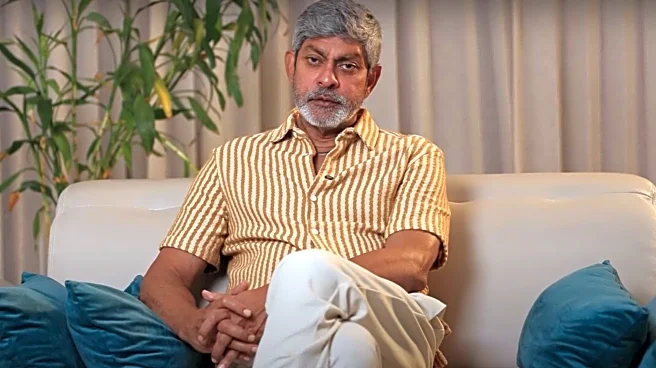
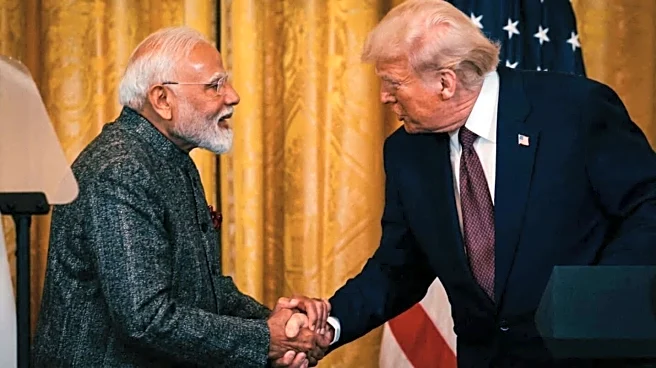
India and the United States may have announced a framework for an interim trade agreement and a rollback of key tariffs, but closing the deal will not be easy and significant uncertainties remain, according to Jayant Dasgupta, former Indian ambassador to the World Trade Organisation (WTO).
Speaking to CNBC-TV18, Dasgupta said there is still a "wide gap" between the expectations of the two sides, cautioning against reading the latest announcements as a final breakthrough. "It will not be easy to close this trade deal as there is still a wide gap between the expectations of both sides," he said.
His remarks come after Washington issued an executive order withdrawing the additional 25% oil-linked tariff on Indian goods, following India’s commitment to stop directly or indirectly importing Russian oil. With this move, the effective US tariff on Indian exports falls to 25% from 50%, and is expected to decline further to 18% once the interim agreement is formally signed.
However, Dasgupta questioned the durability of the arrangement and the certainty around future tariff levels.
"There is no finality to the 18% tariff rate, there is a huge trust deficit," he said, adding that because of US President Donald Trump's "mercurial temperament, there is no certainty about how long this agreement will last."
Also Read: India-US interim trade agreement: Top highlights
He also flagged geopolitical and legal risks that could derail or delay the process. Noting the complexity of the Russia-linked oil issue, Dasgupta said, "There are a host of Russian oil companies that are still not under sanctions," suggesting that compliance and interpretation could remain contentious.
On the legal front, he warned that US domestic politics could upend the entire negotiation. "If the US Supreme Court rules against Trump’s tariffs, then the negotiations will have to start again from a completely new footing," he said.
The interim trade framework, announced in a joint statement by India and United States, is expected to be converted into a legally binding agreement by mid-March.
Once signed, US tariffs on Indian goods will drop to 18%, opening up greater access to what the US administration has described as a $30 trillion market for Indian exporters, especially in sectors such as textiles, apparel, leather, footwear, chemicals and select machinery.
Catch live updates on the India-US trade deal with CNBC-TV18.com's blog
Speaking to CNBC-TV18, Dasgupta said there is still a "wide gap" between the expectations of the two sides, cautioning against reading the latest announcements as a final breakthrough. "It will not be easy to close this trade deal as there is still a wide gap between the expectations of both sides," he said.
His remarks come after Washington issued an executive order withdrawing the additional 25% oil-linked tariff on Indian goods, following India’s commitment to stop directly or indirectly importing Russian oil. With this move, the effective US tariff on Indian exports falls to 25% from 50%, and is expected to decline further to 18% once the interim agreement is formally signed.
However, Dasgupta questioned the durability of the arrangement and the certainty around future tariff levels.
"There is no finality to the 18% tariff rate, there is a huge trust deficit," he said, adding that because of US President Donald Trump's "mercurial temperament, there is no certainty about how long this agreement will last."
Also Read: India-US interim trade agreement: Top highlights
He also flagged geopolitical and legal risks that could derail or delay the process. Noting the complexity of the Russia-linked oil issue, Dasgupta said, "There are a host of Russian oil companies that are still not under sanctions," suggesting that compliance and interpretation could remain contentious.
On the legal front, he warned that US domestic politics could upend the entire negotiation. "If the US Supreme Court rules against Trump’s tariffs, then the negotiations will have to start again from a completely new footing," he said.
The interim trade framework, announced in a joint statement by India and United States, is expected to be converted into a legally binding agreement by mid-March.
Once signed, US tariffs on Indian goods will drop to 18%, opening up greater access to what the US administration has described as a $30 trillion market for Indian exporters, especially in sectors such as textiles, apparel, leather, footwear, chemicals and select machinery.
Catch live updates on the India-US trade deal with CNBC-TV18.com's blog


/images/ppid_59c68470-image-177089756882462619.webp)
/images/ppid_59c68470-image-177089752450638087.webp)



/images/ppid_59c68470-image-177089753887696314.webp)