/images/ppid_59c68470-image-178548003682730662.webp)


/images/ppid_59c68470-image-178521258516969552.webp)

What is the story about?
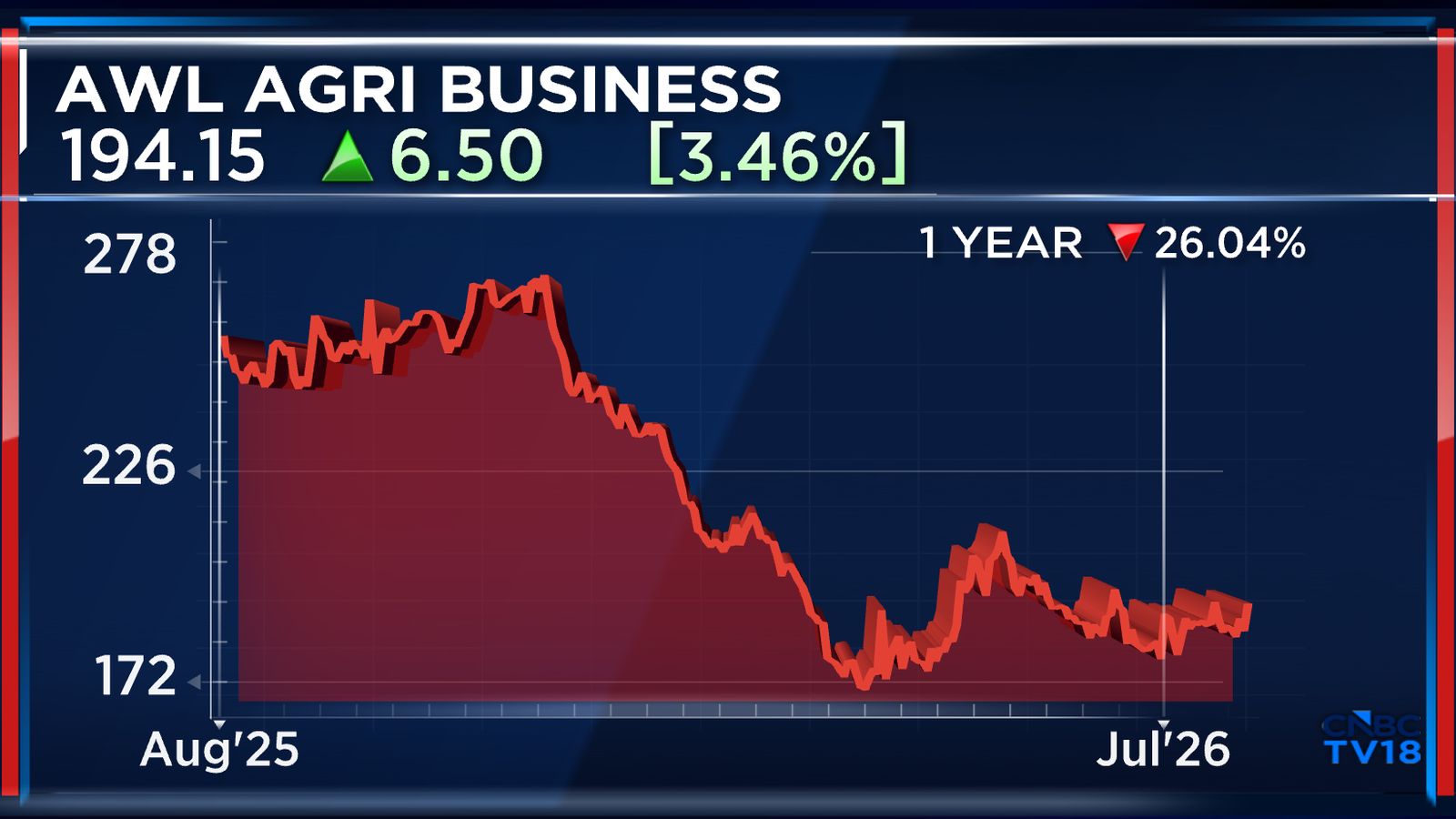
Ahmedabad-headquartered AWL Agri Business said the company expects 8-9% volume growth in the current financial year ending March 2027. That's more than double the 4% growth clocked in the previous fiscal. The optimism may come from the 7% underlying volume growth and 15% revenue growth in the April-June 2026 quarter for India's largest edible oil maker with a market capitalisation of over $2.6 billion as of July 31.
Managing Director and CEO Shrikhant Kanhere said he is targeting earnings before interest, taxes, depreciation, and amortisation (EBITDA) of ₹2,600-2,700 crore in FY27, which is 13% higher than FY26 and close to FY25 profitability.
He reiterated the goal to reach ₹10,000 crore in revenue by March 2028. For his projections for the upcoming festive season, you can watch the interview here or read the edited transcript below:
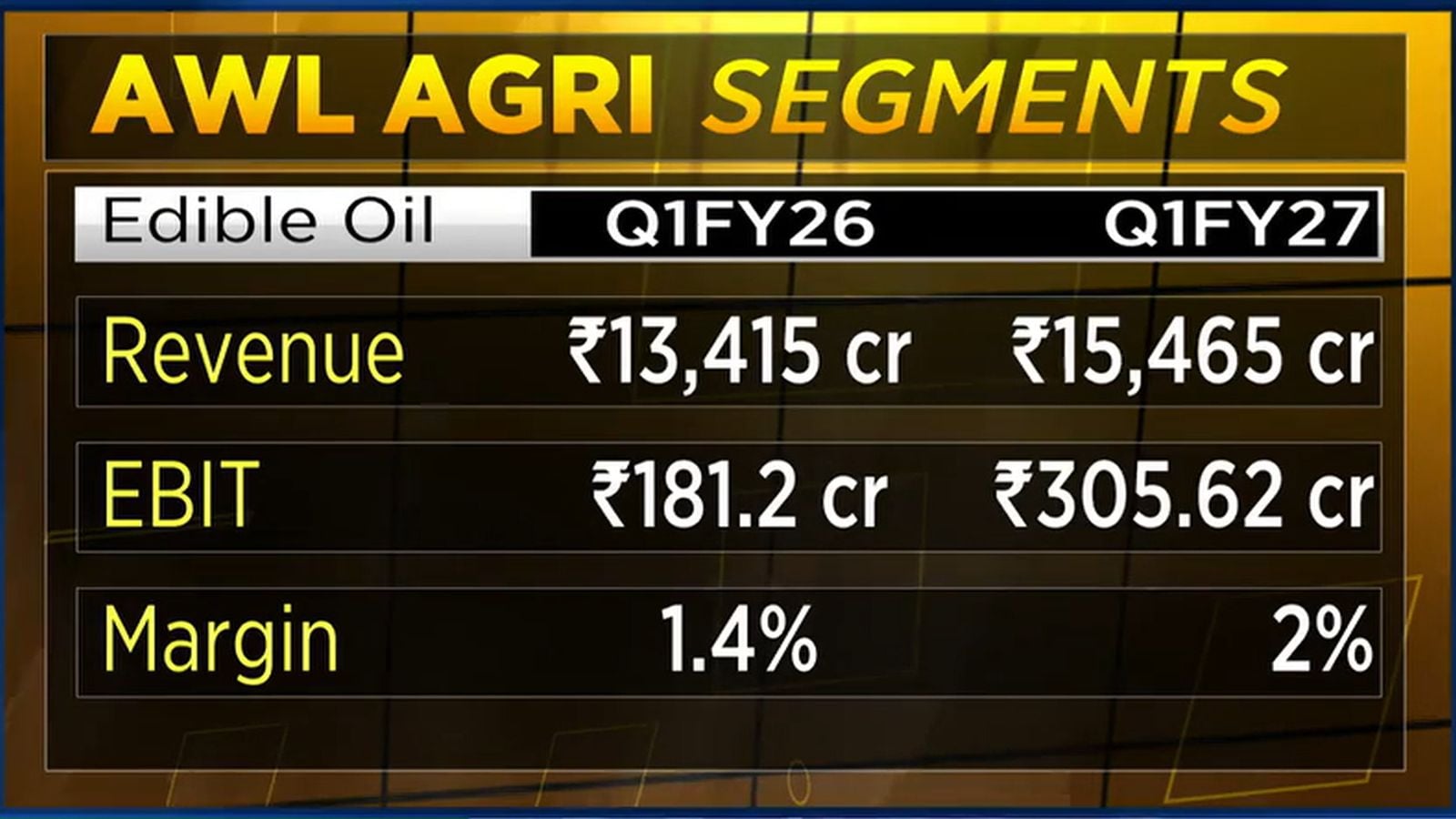
Q: What would volume growth be, and what is the outlook on margins? Because we did see edible oil prices go up in Q1. How much of that have you been able to pass on? So, give us a sense of how the rest of the year is going to look.A: We have been able to deliver a better set of numbers in spite of the significant volatility that we have seen in the quarter. We have been able to deliver underlying volume growth of 7% and revenue growth of 15%, with EBITDA at close to ₹700 crore. I think it's one of the better sets of numbers that we have been able to post in the last couple of quarters.
As we go forward, we are now getting into the festive season in India. We should be able to post underlying volume growth of close to 8-9%, as we have been saying, and EBITDA of ₹2,600-2,700 crore for the full year. That is what we are looking at.
Secondly, on pricing, it was a volatile quarter. There were a lot of price increases. However, we have been able to pass them on to the consumer successfully, given the fact that we have strong brand equity.
Q: What about revenues? You are guiding for 18-20% revenue growth for this year. What's that predicated on?A: We don't give revenue guidance per se because our revenues are impacted by inflationary pressure. Because of the kind of brand equity we have, we have been able to pass it on. So, the guidance that we normally give is for volume growth, and we expect to deliver 8-9% volume growth this year.
 Q: I'm also reading a Nuvama note where you're talking about 18-20% revenue growth. That would be the broad number, right?
A: In Q1, we have delivered 15%, and assuming prices remain stable and we deliver volume growth of 8-9%, 18% revenue growth should be achievable.
Q: I'm also reading a Nuvama note where you're talking about 18-20% revenue growth. That would be the broad number, right?
A: In Q1, we have delivered 15%, and assuming prices remain stable and we deliver volume growth of 8-9%, 18% revenue growth should be achievable.
Q: Let's talk about market share then. What is your edible oil market share? Where is it headed? And have you gained market share?A: Our edible oil market share has been around 17-18% for quite some time. We are the market leader, and the number two player is quite far behind us. Maintaining leadership itself is a challenge, and while we do work to improve our market share, 18-19% is something we are targeting for this year.
Q: Could you give us a sense of where inventory stands? Have inventories gone up quite a bit?A: In Q1, we saw somewhat tepid demand because in April, we had supply chain disruption due to the West Asia crisis, and therefore, demand was affected. June again was not that great as far as demand is concerned because the trade was anticipating a bearish trend in edible oil prices. They were not ordering and were maintaining just-in-time inventories.
So, primary sales dried up, and that also led to some inventory accumulation at our end. But I think all this inventory should get utilised in Q2. July is already going good for us. By August and September, we should be able to get rid of the excess inventory.
Q: Just to give us a sense, how much inventory do you have now compared to historical average levels?A: Normally, we maintain an inventory of 30-35 days, given the fact that most of our raw material is imported, and imports have a voyage period of 35-40 days. Therefore, you need to maintain that kind of inventory to ensure that you are not out of stock at any point in time. But in this quarter, since demand was not that great and edible oil grew only by 2%, we have a higher inventory on hand. So, we are currently maintaining an inventory of 45-50 days. In Q2, we should be able to liquidate it.
Q: Quick Commerce has also emerged as a key growth driver. Value is up 64%, and volumes are up 56% year over year. So, what percentage of your sales now comes through e-commerce and Quick Commerce, and how does profitability compare to general trade distribution?A: Quick Commerce is different for both food and edible oil. In edible oil, we are selling close to 10% through Quick Commerce and other alternative channels. In food, the percentage is quite high. We are selling close to 18-19% of our products in the food category through Quick Commerce and e-commerce. From a profitability perspective, it is better because you avoid intermediaries and supply directly to these e-commerce platforms.
But we are also investing in visibility and ensuring that we are available across all pin codes. So, a considerable amount of resources and time is being invested. From a profitability perspective, if you ask me, it is more or less similar to general trade because we are investing heavily in these channels.
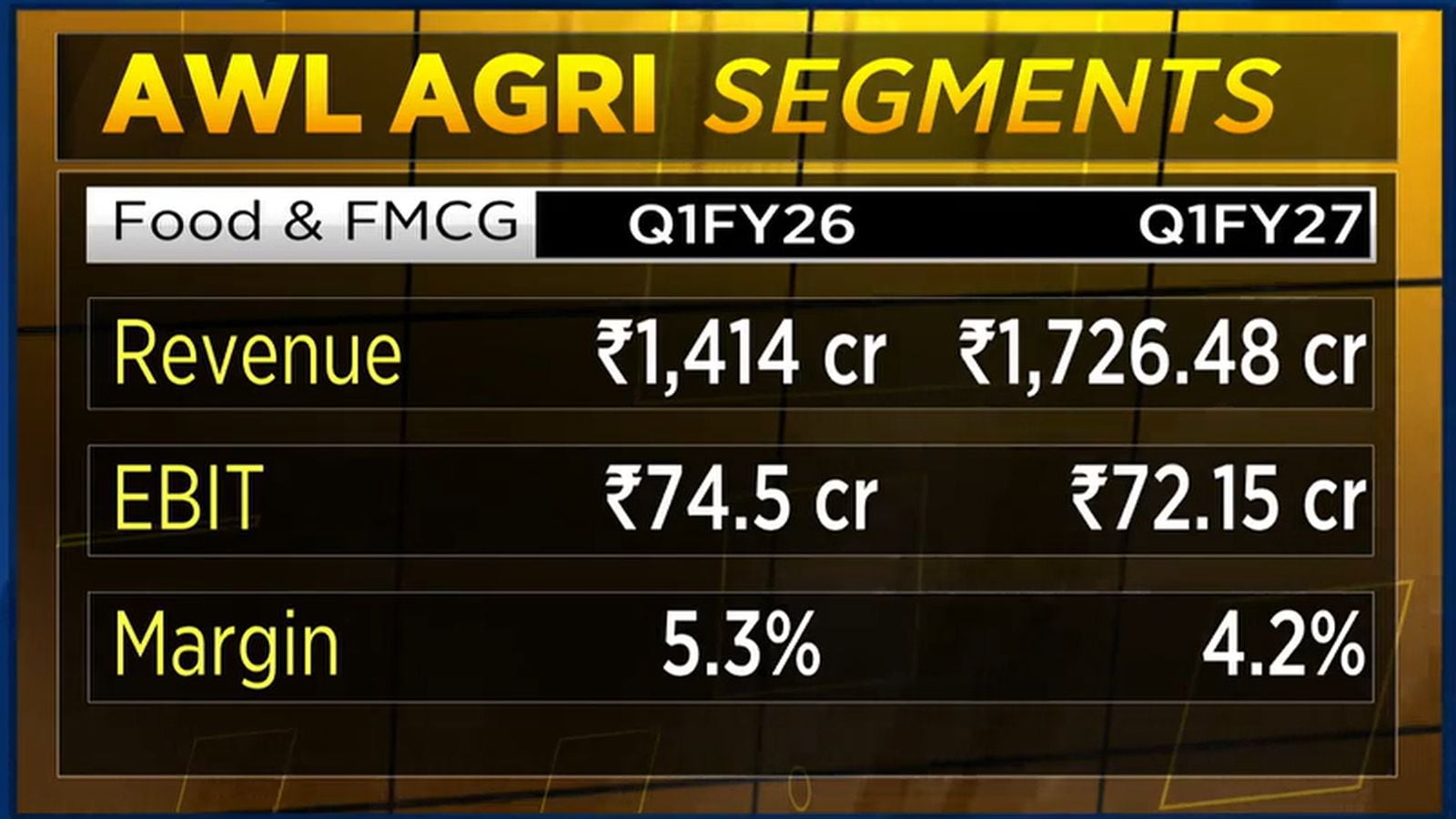 Q: Overall, you have a guidance of ₹10,000 crore in top line, right - the food and FMCG business?A: So, for the food business, we are targeting ₹10,000 crore in revenue, which should be achieved by FY28.
Q: So, you are advancing the guidance?A: No, we are not advancing it. We are maintaining our guidance of ₹10,000 crore in food revenue by FY28.
Catch all the latest updates from the stock market here
Managing Director and CEO Shrikhant Kanhere said he is targeting earnings before interest, taxes, depreciation, and amortisation (EBITDA) of ₹2,600-2,700 crore in FY27, which is 13% higher than FY26 and close to FY25 profitability.
He reiterated the goal to reach ₹10,000 crore in revenue by March 2028. For his projections for the upcoming festive season, you can watch the interview here or read the edited transcript below:
Q: What would volume growth be, and what is the outlook on margins? Because we did see edible oil prices go up in Q1. How much of that have you been able to pass on? So, give us a sense of how the rest of the year is going to look.A: We have been able to deliver a better set of numbers in spite of the significant volatility that we have seen in the quarter. We have been able to deliver underlying volume growth of 7% and revenue growth of 15%, with EBITDA at close to ₹700 crore. I think it's one of the better sets of numbers that we have been able to post in the last couple of quarters.
As we go forward, we are now getting into the festive season in India. We should be able to post underlying volume growth of close to 8-9%, as we have been saying, and EBITDA of ₹2,600-2,700 crore for the full year. That is what we are looking at.
Secondly, on pricing, it was a volatile quarter. There were a lot of price increases. However, we have been able to pass them on to the consumer successfully, given the fact that we have strong brand equity.
Q: What about revenues? You are guiding for 18-20% revenue growth for this year. What's that predicated on?A: We don't give revenue guidance per se because our revenues are impacted by inflationary pressure. Because of the kind of brand equity we have, we have been able to pass it on. So, the guidance that we normally give is for volume growth, and we expect to deliver 8-9% volume growth this year.
Q: I'm also reading a Nuvama note where you're talking about 18-20% revenue growth. That would be the broad number, right?
A: In Q1, we have delivered 15%, and assuming prices remain stable and we deliver volume growth of 8-9%, 18% revenue growth should be achievable.
Q: Let's talk about market share then. What is your edible oil market share? Where is it headed? And have you gained market share?A: Our edible oil market share has been around 17-18% for quite some time. We are the market leader, and the number two player is quite far behind us. Maintaining leadership itself is a challenge, and while we do work to improve our market share, 18-19% is something we are targeting for this year.
Q: Could you give us a sense of where inventory stands? Have inventories gone up quite a bit?A: In Q1, we saw somewhat tepid demand because in April, we had supply chain disruption due to the West Asia crisis, and therefore, demand was affected. June again was not that great as far as demand is concerned because the trade was anticipating a bearish trend in edible oil prices. They were not ordering and were maintaining just-in-time inventories.
So, primary sales dried up, and that also led to some inventory accumulation at our end. But I think all this inventory should get utilised in Q2. July is already going good for us. By August and September, we should be able to get rid of the excess inventory.
Q: Just to give us a sense, how much inventory do you have now compared to historical average levels?A: Normally, we maintain an inventory of 30-35 days, given the fact that most of our raw material is imported, and imports have a voyage period of 35-40 days. Therefore, you need to maintain that kind of inventory to ensure that you are not out of stock at any point in time. But in this quarter, since demand was not that great and edible oil grew only by 2%, we have a higher inventory on hand. So, we are currently maintaining an inventory of 45-50 days. In Q2, we should be able to liquidate it.
Q: Quick Commerce has also emerged as a key growth driver. Value is up 64%, and volumes are up 56% year over year. So, what percentage of your sales now comes through e-commerce and Quick Commerce, and how does profitability compare to general trade distribution?A: Quick Commerce is different for both food and edible oil. In edible oil, we are selling close to 10% through Quick Commerce and other alternative channels. In food, the percentage is quite high. We are selling close to 18-19% of our products in the food category through Quick Commerce and e-commerce. From a profitability perspective, it is better because you avoid intermediaries and supply directly to these e-commerce platforms.
But we are also investing in visibility and ensuring that we are available across all pin codes. So, a considerable amount of resources and time is being invested. From a profitability perspective, if you ask me, it is more or less similar to general trade because we are investing heavily in these channels.
Q: Overall, you have a guidance of ₹10,000 crore in top line, right - the food and FMCG business?A: So, for the food business, we are targeting ₹10,000 crore in revenue, which should be achieved by FY28.
Q: So, you are advancing the guidance?A: No, we are not advancing it. We are maintaining our guidance of ₹10,000 crore in food revenue by FY28.
Catch all the latest updates from the stock market here


/images/ppid_59c68470-image-178542006358019608.webp)
/images/ppid_59c68470-image-17854075250926141.webp)
/images/ppid_59c68470-image-178547011426938194.webp)

/images/ppid_59c68470-image-178523252550529797.webp)
/images/ppid_59c68470-image-178530502672721586.webp)
/images/ppid_59c68470-image-178533255983978474.webp)