/images/ppid_59c68470-image-177819757265558930.webp)

/images/ppid_59c68470-image-177798517490193940.webp)
/images/ppid_59c68470-image-17779654299072684.webp)
What is the story about?
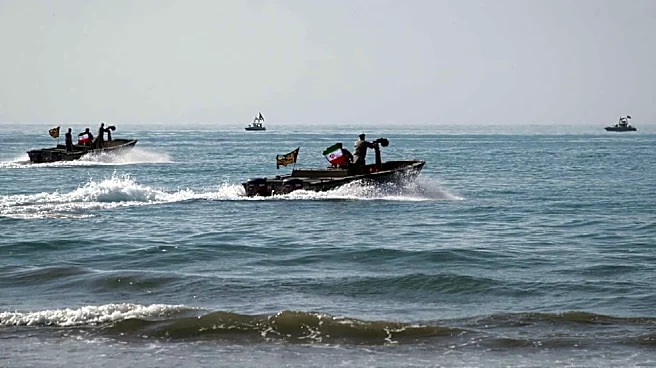
Crude oil prices jumped in early Asia trading on Friday, May 8, after another round of clashes between the US and Iran in the Persian Gulf, threatening an already fragile ceasefire in place for over a month.
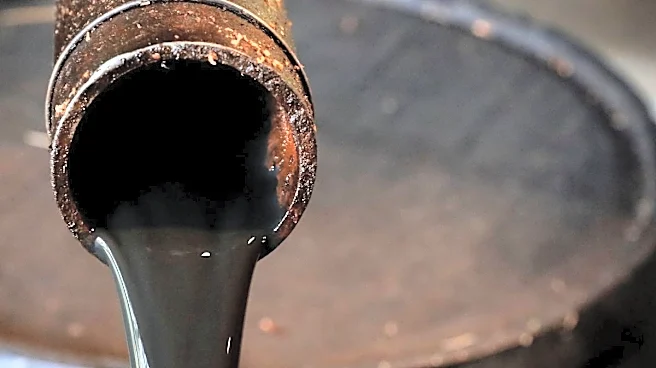
Prices on the West Texas Intermediate (WTI), the US Crude variant gained as much as 4% to test levels of $99 a barrel. The variant currently trades with gains of 2.5%. Brent Crude also saw a rebound having briefly slipped towards the $95 a barrel mark, closing above $100.
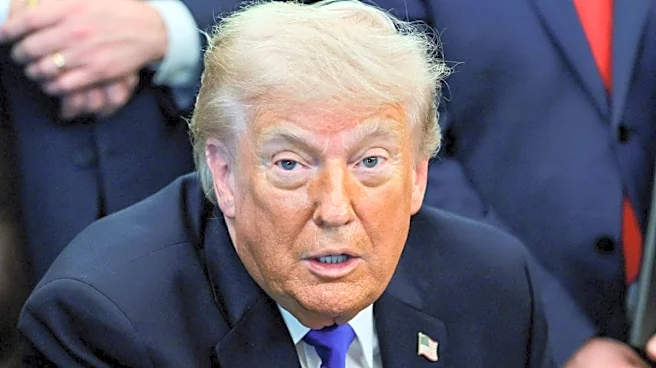
US Central Command said that they intercepted unprovoked Iranian attacks and responded with self-defence strikes as guided-missile destroyers transited the Strait of Hormuz. However, it added that it does not seek escalation but remains ready to protect US forces. US President Donald Trump also told ABC News that the ceasefire is still going on, terming the latest escalation as "love tap."
Iran accused the US of initiating the aggression first, stating that their retaliatory fire caused damage to some US ships.
Until traffic through the conduit returns to at least a major percentage of where it was, “the downside in crude prices will remain limited,” said Dennis Kissler, senior vice president for trading at BOK Financial Securities Inc.
Shell CEO Wael Sawan warned that the oil market is currently facing a shortage of 1 billion barrels, and the situation is only getting worse every passing day with the closure of the Strait. He also added that supply will take a long time to return to normal levels even if the Strait opens soon, a sentiment echoed by many other big oil executives.
Prices on the West Texas Intermediate (WTI), the US Crude variant gained as much as 4% to test levels of $99 a barrel. The variant currently trades with gains of 2.5%. Brent Crude also saw a rebound having briefly slipped towards the $95 a barrel mark, closing above $100.
US Central Command said that they intercepted unprovoked Iranian attacks and responded with self-defence strikes as guided-missile destroyers transited the Strait of Hormuz. However, it added that it does not seek escalation but remains ready to protect US forces. US President Donald Trump also told ABC News that the ceasefire is still going on, terming the latest escalation as "love tap."
Iran accused the US of initiating the aggression first, stating that their retaliatory fire caused damage to some US ships.
Until traffic through the conduit returns to at least a major percentage of where it was, “the downside in crude prices will remain limited,” said Dennis Kissler, senior vice president for trading at BOK Financial Securities Inc.
Shell CEO Wael Sawan warned that the oil market is currently facing a shortage of 1 billion barrels, and the situation is only getting worse every passing day with the closure of the Strait. He also added that supply will take a long time to return to normal levels even if the Strait opens soon, a sentiment echoed by many other big oil executives.

/images/ppid_59c68470-image-177803256135915139.webp)
/images/ppid_59c68470-image-177804007888288228.webp)

/images/ppid_59c68470-image-177808753145934740.webp)
/images/ppid_59c68470-image-177811756736139676.webp)

/images/ppid_59c68470-image-177796569338560501.webp)
/images/ppid_59c68470-image-177814506040833406.webp)