/images/ppid_59c68470-image-178089503142770047.webp)

/images/ppid_59c68470-image-178068257150615555.webp)
/images/ppid_a911dc6a-image-178065303123178499.webp)
/images/ppid_59c68470-image-178062758540474775.webp)
What is the story about?
A combination of rising oil prices and bond yields, along with large equity issuances by the likes of SpaceX, Anthropic, and OpenAI, could trigger a significant correction across global markets, according to Arvind Sanger, Managing Partner of Geosphere Capital Management, a Florida-based hedge fund.
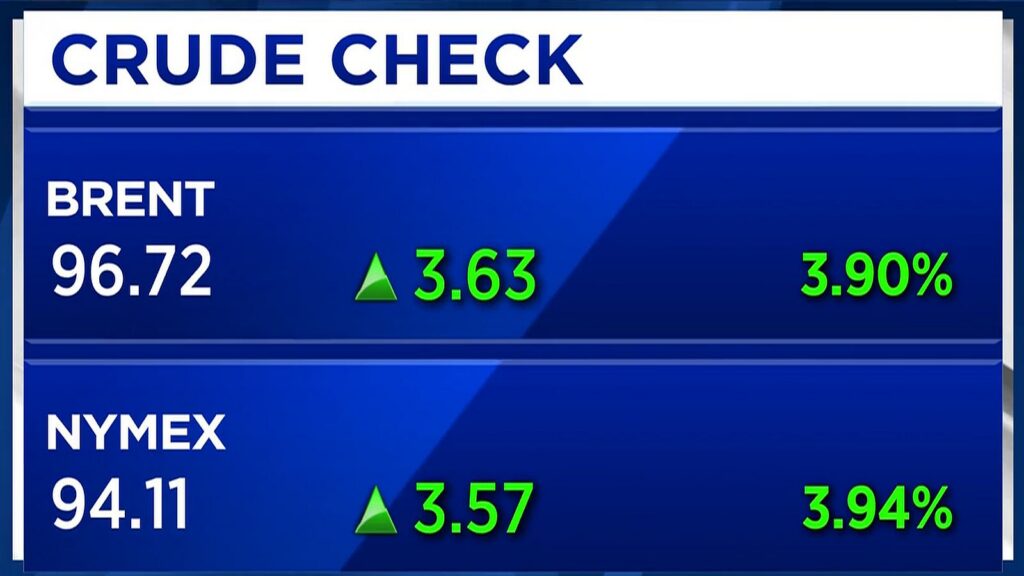
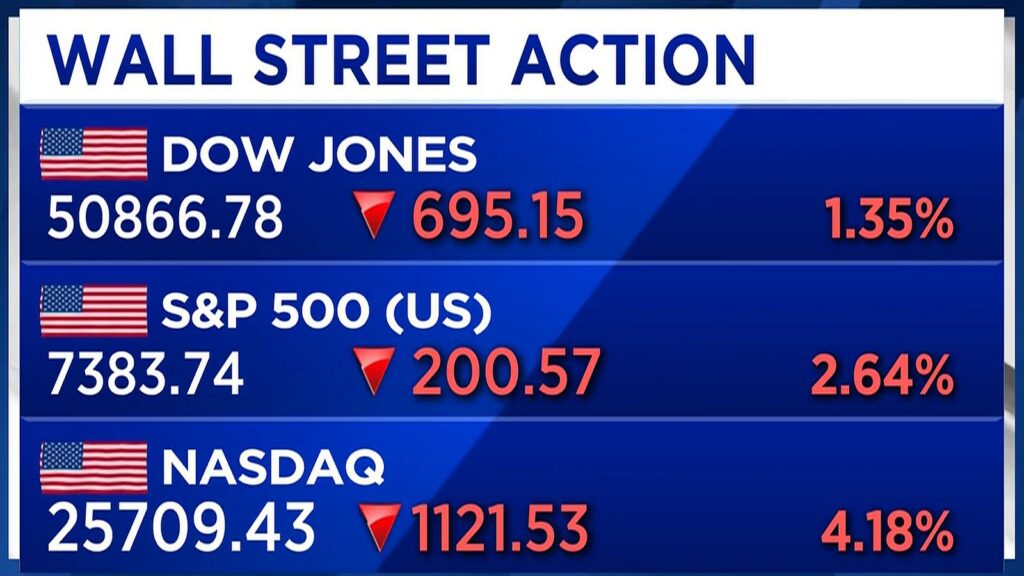
The fear of an increase in the US inflation rate triggered a 4% drop on the Nasdaq on Friday. Dow futures indicate the sell-off may continue on Monday. While the current risk is higher for markets where the euphoria around artificial intelligence has triggered the rally, Sanger remains cautious on both global and Indian equities in the near term.
This is an edited transcript of the interview.Q: It's been 100 days since the war began, with no clear end in sight. Yet markets seem to believe the conflict won't drag on much longer, as the world can hardly afford it. US indices have largely looked through the uncertainty, driven by the AI rally, though that trade now appears to be cooling. With several large initial public offerings (IPOs) also on the horizon, what's your outlook for global markets in the near term, and what does it mean for India?
A: Well, there are a lot of questions. Let's try to unpack it one at a time.
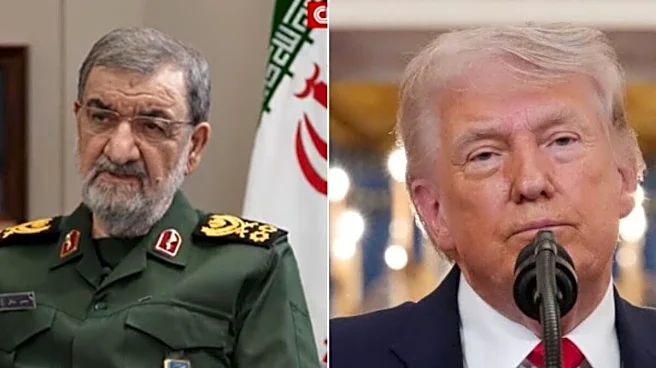
Firstly, when you look at the oil markets, one of the things your discussion didn't touch on is that, despite President Trump saying that Israel and Benjamin Netanyahu will not do anything because Trump is in charge, or something to that effect, Israel has just, in the last half hour, struck several targets in Iran, including in Tehran.
So clearly, Israel is showing that it's not going to sit there and take blows from Iran, and there's a risk of this ceasefire unravelling and things getting worse. I think the oil markets, first of all, in the very short term, are reflecting that concern.
Secondly, I don't think there's anybody who believes Trump, although the oil markets probably have believed him, that a deal is around the corner. President Trump has been promising Godot now for weeks, if not months. The Iranians are very clear that they need some immediate relief in terms of cash, $12 billion or $24 billion being released, and President Trump has been unwilling.
So, I don't think a deal is imminent. Our biggest concern in the short term is that oil markets are still behaving as if the reopening of the Strait of Hormuz is imminent. If the Strait of Hormuz remains closed through the end of the month, which, in our opinion, is the central case today, then oil is headed much higher.
Also Read | Elevated AI valuations and US private credit risks may test markets: 3R Investment CIO
Then we come to markets. The AI trade in the US has worked and has shrugged off other concerns. Friday was a bit of profit-taking, but the AI trade is being driven by all the good news coming out of Anthropic, and now we have got the SpaceX IPO, along with all the news around chips and everything else.
So, the AI story continues to be very strong. But if oil goes much higher and moves towards $125-$150, which is quite likely if the Strait stays closed for any extended period, then I think you could see some profit-taking in some of these high-flying areas.
When we come to emerging markets, including India, which is probably one of the most sensitive from a current account deficit perspective, buying the Indian market in advance of having any clarity on what's going on in the Strait of Hormuz, and how long it might stay closed, is, in my opinion, a very risky enterprise.
So, we're staying a little bit circumspect because we are concerned about the near-term trajectory of oil markets.
Q: Markets appear to be underpricing the risks from the ongoing conflict despite no resolution after 100 days. With oil supply concerns lingering and inventories potentially tightening, how should investors interpret the sharp sell-off in US tech stocks on Friday? Was it a healthy correction, an early warning sign, or the start of something bigger?
A: This is a bull market that has had very few pullbacks. It is pretty unhealthy, in my opinion, for markets to have so much euphoria without a few scares along the way.
Markets climb a wall of worry. Markets don't climb a wall of complacency because that becomes dangerous.
We were climbing a bubble of complacency, and I think the fear we got on Friday was healthy. I don't know if it's going to mean a further pullback for the next couple of days; that's possible, but I don't think the AI story has yet sprung a leak.
The real issue is that Meta announced, or there was a news story that Meta is also thinking of a large equity offering. So, I think you do have a problem here.
Also Read | Why are FPIs selling if India’s growth story remains strong? Citi's Sue Lee explains
Companies that were heretofore extremely cash-flow generative are now being forced, because of their aggressive AI capex needs, to go into equity markets after a long time. They haven't needed to access equity markets for years.
That, to me, is the bigger concern. These bellwethers are now issuing equity, in addition to SpaceX coming, and then Anthropic and OpenAI coming beyond that.
So, the AI story may be strong, but the capex burden and the lack of free cash flow are raising some concerns about the Magnificent Seven and some of these other stocks, and how high they can fly while all this equity issuance is coming.
Q: US markets have been standout performers and have been backed by good earnings as well. But if you look at various credit indicators, delinquencies are moving up. Markets are not very cheap, and now you have these fresh offerings coming in. Do you see a risk that US markets actually top out?
A: Definitely. I have been seeing this risk for the last few weeks, so I have been wrong because this market is running on euphoria.
But the reality is that with these equity offerings coming, and with established companies raising equity, and the bond market potentially coming under pressure if oil goes up, the credit risk in parts of the private credit market is a negative.
I don't think that it is strong enough by itself. But if the bond market continues to sell off, these equity offering overhangs persist, and oil goes up, then the combination of all three presents a risk.
A 10-15% correction in a bull market is normal throughout the history of bull markets. This market has not seen a double-digit correction even after the Iran war started.
Watch the full conversation here
The last one we saw was last year in April, after the so-called Liberation Day. So, we are overdue for a correction.
I definitely think the storm clouds are gathering, and we could see a correction that is deeper than what we have seen so far.
Catch all the latest updates from the stock market here
The fear of an increase in the US inflation rate triggered a 4% drop on the Nasdaq on Friday. Dow futures indicate the sell-off may continue on Monday. While the current risk is higher for markets where the euphoria around artificial intelligence has triggered the rally, Sanger remains cautious on both global and Indian equities in the near term.
This is an edited transcript of the interview.Q: It's been 100 days since the war began, with no clear end in sight. Yet markets seem to believe the conflict won't drag on much longer, as the world can hardly afford it. US indices have largely looked through the uncertainty, driven by the AI rally, though that trade now appears to be cooling. With several large initial public offerings (IPOs) also on the horizon, what's your outlook for global markets in the near term, and what does it mean for India?
A: Well, there are a lot of questions. Let's try to unpack it one at a time.
Firstly, when you look at the oil markets, one of the things your discussion didn't touch on is that, despite President Trump saying that Israel and Benjamin Netanyahu will not do anything because Trump is in charge, or something to that effect, Israel has just, in the last half hour, struck several targets in Iran, including in Tehran.
So clearly, Israel is showing that it's not going to sit there and take blows from Iran, and there's a risk of this ceasefire unravelling and things getting worse. I think the oil markets, first of all, in the very short term, are reflecting that concern.
Secondly, I don't think there's anybody who believes Trump, although the oil markets probably have believed him, that a deal is around the corner. President Trump has been promising Godot now for weeks, if not months. The Iranians are very clear that they need some immediate relief in terms of cash, $12 billion or $24 billion being released, and President Trump has been unwilling.
So, I don't think a deal is imminent. Our biggest concern in the short term is that oil markets are still behaving as if the reopening of the Strait of Hormuz is imminent. If the Strait of Hormuz remains closed through the end of the month, which, in our opinion, is the central case today, then oil is headed much higher.
Also Read | Elevated AI valuations and US private credit risks may test markets: 3R Investment CIO
Then we come to markets. The AI trade in the US has worked and has shrugged off other concerns. Friday was a bit of profit-taking, but the AI trade is being driven by all the good news coming out of Anthropic, and now we have got the SpaceX IPO, along with all the news around chips and everything else.
So, the AI story continues to be very strong. But if oil goes much higher and moves towards $125-$150, which is quite likely if the Strait stays closed for any extended period, then I think you could see some profit-taking in some of these high-flying areas.
When we come to emerging markets, including India, which is probably one of the most sensitive from a current account deficit perspective, buying the Indian market in advance of having any clarity on what's going on in the Strait of Hormuz, and how long it might stay closed, is, in my opinion, a very risky enterprise.
So, we're staying a little bit circumspect because we are concerned about the near-term trajectory of oil markets.
Q: Markets appear to be underpricing the risks from the ongoing conflict despite no resolution after 100 days. With oil supply concerns lingering and inventories potentially tightening, how should investors interpret the sharp sell-off in US tech stocks on Friday? Was it a healthy correction, an early warning sign, or the start of something bigger?
A: This is a bull market that has had very few pullbacks. It is pretty unhealthy, in my opinion, for markets to have so much euphoria without a few scares along the way.
Markets climb a wall of worry. Markets don't climb a wall of complacency because that becomes dangerous.
We were climbing a bubble of complacency, and I think the fear we got on Friday was healthy. I don't know if it's going to mean a further pullback for the next couple of days; that's possible, but I don't think the AI story has yet sprung a leak.
The real issue is that Meta announced, or there was a news story that Meta is also thinking of a large equity offering. So, I think you do have a problem here.
Also Read | Why are FPIs selling if India’s growth story remains strong? Citi's Sue Lee explains
Companies that were heretofore extremely cash-flow generative are now being forced, because of their aggressive AI capex needs, to go into equity markets after a long time. They haven't needed to access equity markets for years.
That, to me, is the bigger concern. These bellwethers are now issuing equity, in addition to SpaceX coming, and then Anthropic and OpenAI coming beyond that.
So, the AI story may be strong, but the capex burden and the lack of free cash flow are raising some concerns about the Magnificent Seven and some of these other stocks, and how high they can fly while all this equity issuance is coming.
Q: US markets have been standout performers and have been backed by good earnings as well. But if you look at various credit indicators, delinquencies are moving up. Markets are not very cheap, and now you have these fresh offerings coming in. Do you see a risk that US markets actually top out?
A: Definitely. I have been seeing this risk for the last few weeks, so I have been wrong because this market is running on euphoria.
But the reality is that with these equity offerings coming, and with established companies raising equity, and the bond market potentially coming under pressure if oil goes up, the credit risk in parts of the private credit market is a negative.
I don't think that it is strong enough by itself. But if the bond market continues to sell off, these equity offering overhangs persist, and oil goes up, then the combination of all three presents a risk.
A 10-15% correction in a bull market is normal throughout the history of bull markets. This market has not seen a double-digit correction even after the Iran war started.
Watch the full conversation here
The last one we saw was last year in April, after the so-called Liberation Day. So, we are overdue for a correction.
I definitely think the storm clouds are gathering, and we could see a correction that is deeper than what we have seen so far.
Catch all the latest updates from the stock market here
/images/ppid_59c68470-image-178084007032059614.webp)
/images/ppid_59c68470-image-178087504540220872.webp)


/images/ppid_59c68470-image-178089256131494212.webp)
/images/ppid_59c68470-image-178066757344654423.webp)
/images/ppid_59c68470-image-178066757747060431.webp)
/images/ppid_59c68470-image-178063507084265280.webp)
/images/ppid_59c68470-image-178062755324162969.webp)