/images/ppid_59c68470-image-179195511414354476.webp)

/images/ppid_59c68470-image-179185752497946787.webp)
/images/ppid_59c68470-image-179196004925037134.webp)

What is the story about?
Pramod Kumar, India Auto Analyst at UBS India Research, favours two-wheelers and commercial vehicles over passenger vehicles, which remain the brokerage's least-preferred segment.
While retail demand in the Indian automobile sector remains strong ahead of the festive season, rising commodity prices could weigh on earnings growth.
Passenger vehicle manufacturers face intense competition, high capital expenditure requirements and challenges from new entrants and frequent product launches. These factors could put pressure on valuations over the short to medium term.
In contrast, commercial vehicle manufacturers offer relatively resilient margins and strong cash flows. “Commercial vehicle as a space is something which is being ignored by the investors, despite very strong cash flows, very resilient margin profile, and that's the space we see will see re-rating at the expense of passenger cars.”
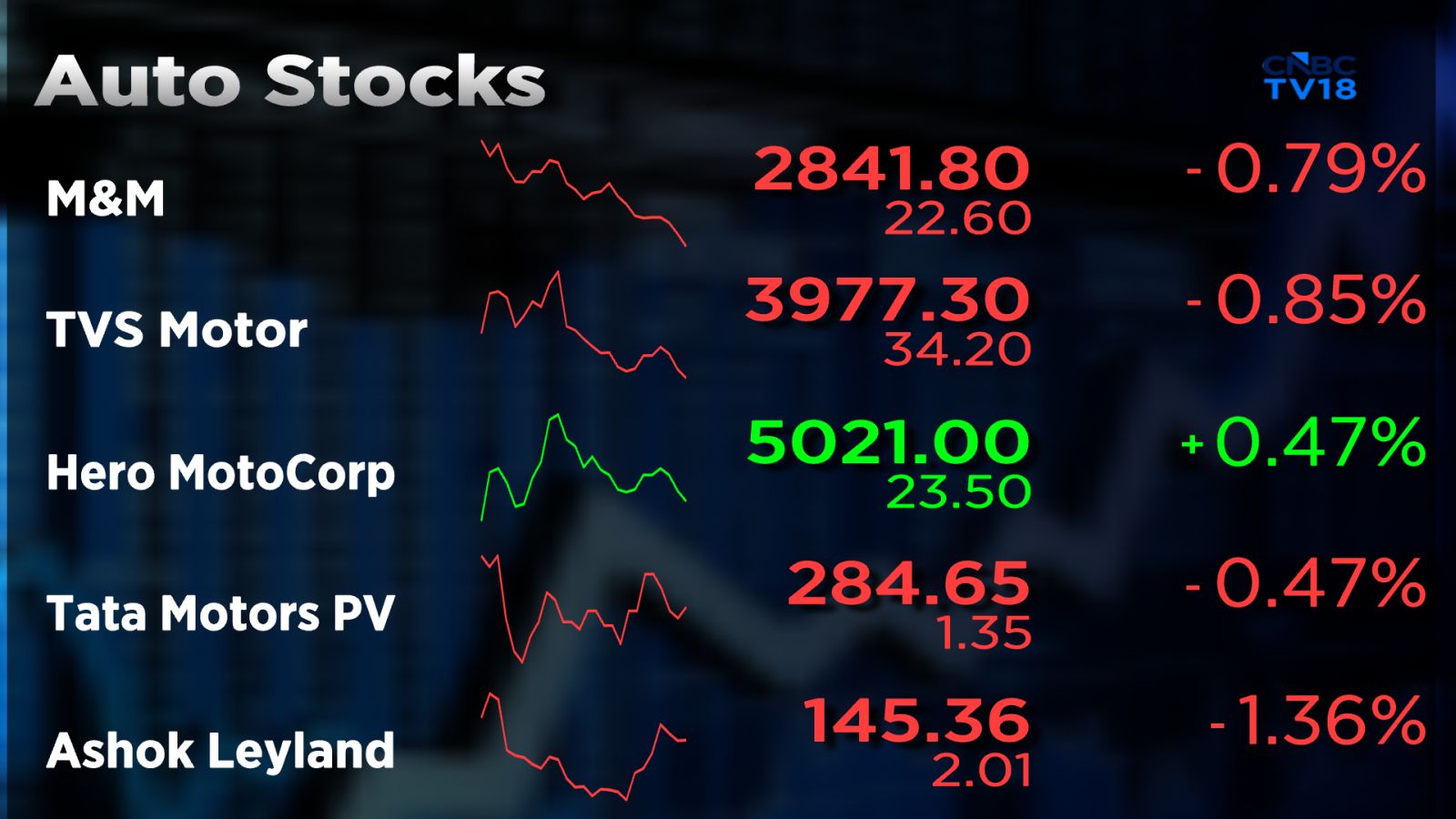
Within the two-wheeler segment, UBS prefers companies with greater exposure to premiumisation, electric vehicles and scooters. In passenger vehicles, the shift towards sport utility vehicles (SUVs) and electrification remains an important trend to watch.
Read Here | Auto sector eyes 5-7% growth as festive demand stays buoyant: United Automobiles' Vinkesh Gulati
Interest rate movements could also influence demand across vehicle categories, with passenger vehicles likely to be more sensitive than two-wheelers and commercial vehicles.
Passenger vehicle purchases are discretionary and often compete with other household financial commitments, including home loans. Higher borrowing costs can therefore weigh on consumer sentiment and delay purchases.
Commercial vehicle demand, on the other hand, depends more heavily on freight activity and the broader business environment. Strong freight demand can support sales even when interest rates are elevated. Two-wheeler demand is also relatively less sensitive to interest rate changes, given the typically high financing rates in the segment.
Retail sales have remained strong, with two-wheeler sales growing 21% between April and September and passenger vehicle sales increasing by nearly 24%. However, the outlook for margins has weakened as rising input costs offset the benefits of higher volumes.
The October-November period is crucial for automakers, particularly two-wheeler manufacturers. The industry sold nearly 59 lakh two-wheelers during thefestive season last year, well above the typical level of around 40 lakh units.
Given this high base, even flat sales or growth of 2-3% during the current festive season would be a satisfactory outcome, Kumar said. Demand will also depend on how sales progress during Dhanteras and Diwali, when a large share of vehicle purchases takes place.
Weak monsoon conditions and heatwaves could affect rural demand and sales in the coming weeks.
For the entire discussion, watch the accompanying video
Follow our live blog for more stock market updates
While retail demand in the Indian automobile sector remains strong ahead of the festive season, rising commodity prices could weigh on earnings growth.
Passenger vehicle manufacturers face intense competition, high capital expenditure requirements and challenges from new entrants and frequent product launches. These factors could put pressure on valuations over the short to medium term.
In contrast, commercial vehicle manufacturers offer relatively resilient margins and strong cash flows. “Commercial vehicle as a space is something which is being ignored by the investors, despite very strong cash flows, very resilient margin profile, and that's the space we see will see re-rating at the expense of passenger cars.”
Within the two-wheeler segment, UBS prefers companies with greater exposure to premiumisation, electric vehicles and scooters. In passenger vehicles, the shift towards sport utility vehicles (SUVs) and electrification remains an important trend to watch.
Read Here | Auto sector eyes 5-7% growth as festive demand stays buoyant: United Automobiles' Vinkesh Gulati
Interest rate movements could also influence demand across vehicle categories, with passenger vehicles likely to be more sensitive than two-wheelers and commercial vehicles.
Passenger vehicle purchases are discretionary and often compete with other household financial commitments, including home loans. Higher borrowing costs can therefore weigh on consumer sentiment and delay purchases.
Commercial vehicle demand, on the other hand, depends more heavily on freight activity and the broader business environment. Strong freight demand can support sales even when interest rates are elevated. Two-wheeler demand is also relatively less sensitive to interest rate changes, given the typically high financing rates in the segment.
Retail sales have remained strong, with two-wheeler sales growing 21% between April and September and passenger vehicle sales increasing by nearly 24%. However, the outlook for margins has weakened as rising input costs offset the benefits of higher volumes.
The October-November period is crucial for automakers, particularly two-wheeler manufacturers. The industry sold nearly 59 lakh two-wheelers during thefestive season last year, well above the typical level of around 40 lakh units.
Given this high base, even flat sales or growth of 2-3% during the current festive season would be a satisfactory outcome, Kumar said. Demand will also depend on how sales progress during Dhanteras and Diwali, when a large share of vehicle purchases takes place.
Weak monsoon conditions and heatwaves could affect rural demand and sales in the coming weeks.
For the entire discussion, watch the accompanying video
Follow our live blog for more stock market updates


/images/ppid_59c68470-image-179212270662462755.webp)
/images/ppid_59c68470-image-179207753063854159.webp)


/images/ppid_59c68470-image-179187759330039992.webp)
/images/ppid_59c68470-image-179197270410342416.webp)
/images/ppid_59c68470-image-179205517741292706.webp)
/images/ppid_59c68470-image-179185758034439839.webp)