/images/ppid_59c68470-image-177804509037093766.webp)

/images/ppid_59c68470-image-17780000316803521.webp)

What is the story about?
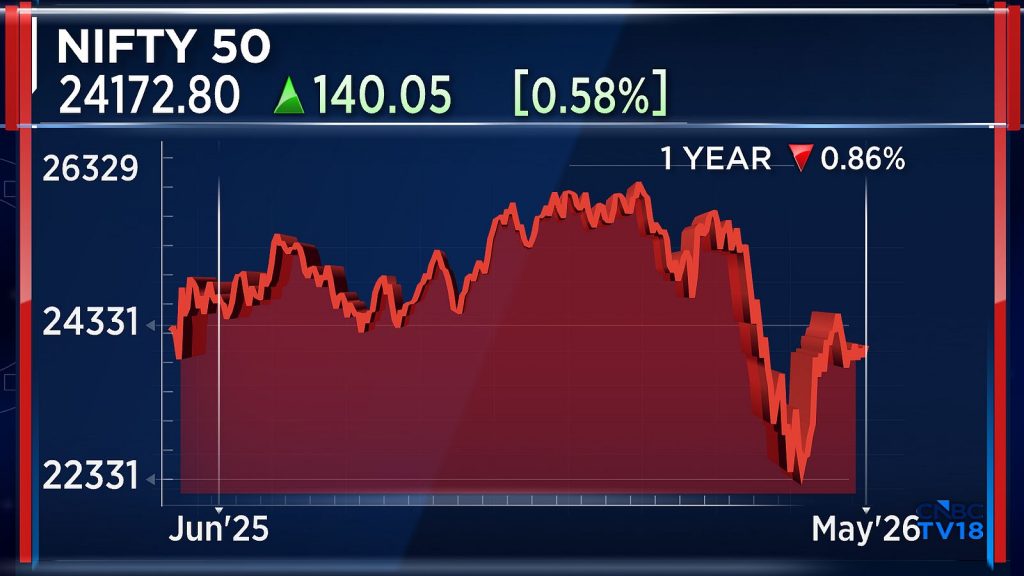
India may not be fully back on the radar yet, but the intensity of outflows is clearly easing. EPFR Global's Director of Research Cameron Brandt pointed out that while India continues to see consistent outflows, the pace has moderated in recent weeks, with early signs of money returning to software and services-focused funds.
“It’s looking better without having fully turned the corner. But in terms of an inflexion point, the fact that software and services are no longer getting beaten up, and funds dedicated to them have seen quite a bit of fresh money in recent weeks, is a good indicator, given how investors view the investment case for India,” Brandt said.
This improving trend broadly lines up with what recent flow data is showing. Elara Capital’s Global Liquidity Tracker released on April 24 indicates that India flows have started to stabilise after a prolonged phase of selling, with a small net inflow of about $106 million between April 16 and 22, after nearly $5 billion of outflows over the previous six weeks since March 5. More importantly, the pressure from India-focused funds has eased sharply, with weekly outflows dropping from around $1.2 billion at the peak to about $180 million.
That said, the recovery is still uneven. Dedicated India strategies continue to see outflows, particularly from long-only funds, even as exchange-traded funds (ETFs) have begun to attract inflows. There are also early signs of stabilisation in US-domiciled funds, which had been one of the biggest sources of selling.
Brandt also pointed out that global artificial intelligence (AI) trade continues to overpower geopolitical anxieties, helping risk appetite stay intact despite uncertainty around US policy and tensions in West Asia.
Watch the full conversation here or scroll for edited excerpts.These are edited excerpts from the interview.Q: It seems the whole AI trade is papering over geopolitical tensions, which is one step forward, one step back. “Project Freedom” has now been put on pause by Trump. What is your assessment, and what are the flows looking like?
A: The flows very much reflect what you just said, that the AI story has proved incredibly resilient over the past two months, greatly to the benefit of Korea rather than India in the emerging Asia space.
One thing we have seen, which is interesting in terms of India, is that software and services funds dedicated to that subgroup of the technology universe have rebounded strongly from the worries they were facing around the time the Iran conflict broke out.
Also Read | Markets defy global supply shock as AI drives rally: BlackRock strategist
India is much more associated with software and services rather than the pure AI story. So, we have definitely seen a thaw there.
India is still seeing fairly consistent outflows, but the pace of those outflows has definitely moderated in recent weeks. The broader context is definitely risk-on. The latest news on the Iran ceasefire and hopes for a peace process are certainly going to add fuel to that.
Q: So, you are saying flows are looking better about India — both dedicated funds and otherwise?
A: It’s looking better without having fully turned the corner.
But in terms of an inflexion point, the fact that software and services are no longer getting beaten up, and funds dedicated to them have seen quite a bit of fresh money in recent weeks, is a good indicator, given how investors view the investment case for India.
 Q: Anything else out of the ordinary in terms of flows into asset classes that is worth bringing up?
A: The fact that flows are as good as they are, given the external context and the continued high price of oil, is worth noting.
Whether it means investors have completely decided to discount geopolitics again and just focus on the corporate earnings story, I am still not sure.
The rotation away from America and US assets certainly seems to have been put on hold in recent weeks.
As for flows to dedicated Mainland China funds, we seem to be seeing another officially sanctioned effort to prevent speculative excess buildup.
Latin America remains perhaps the favoured group in the overall emerging markets universe.
Also Read | Global markets turn selective as AI, oil and capital flows drive divergence: Manulife Investments
Q: Is Taiwan counted as a developed market?
A: No, it’s an emerging market. It has flown somewhat under the radar recently.
Q: There has always been debate around upgrading Korea to developed market status, right?
A: Yes, Korea is the outstanding winner at the moment.
It is riding both an AI and a defence story, though it obviously continues to have some major vulnerabilities. Apart from oil prices, those vulnerabilities seem fairly quiet at the moment.
Q: In the MSCI Emerging Market Index now, Korea’s weight is greater than China’s weight, largely powered by AI plays and strong market performance. How do you see this trend from a long-term flow perspective?
A: I agree with your assessment of what has driven it.
Whenever we get outperformance by Korea, it rekindles the debate about where Korea should really sit in the index and the investing universe.
By many metrics, Korea is a developed country. Certainly, its per capita gross domestic product (GDP) is at or slightly above Japan’s at the moment.
So, this recurring debate has gotten fresh fuel, almost “fresh hydrogen fuel”, from the outperformance we’ve seen over recent months.
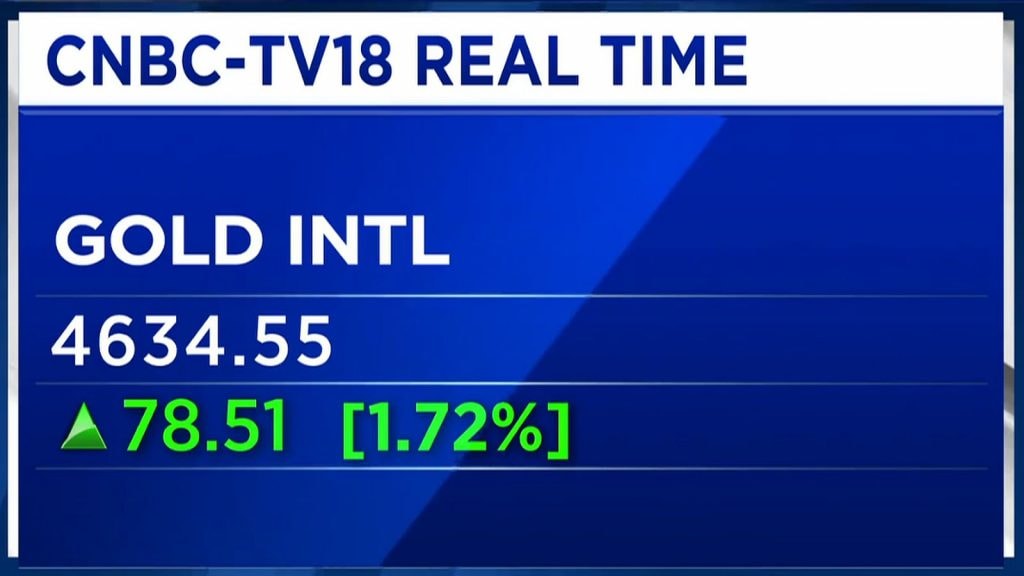
Q: What about gold? At one point, we were seeing strong inflows, but now gold prices and flows have cooled off a bit.
A: Yes, flows have definitely cooled off.
They are mildly negative one week and a little more strongly positive the next, so the trend line is still up but with a very zigzag pattern.
People can now see more dynamic options and are getting comfortable rebuilding positions in some areas instead.
Catch all the latest updates from the stock market here
“It’s looking better without having fully turned the corner. But in terms of an inflexion point, the fact that software and services are no longer getting beaten up, and funds dedicated to them have seen quite a bit of fresh money in recent weeks, is a good indicator, given how investors view the investment case for India,” Brandt said.
This improving trend broadly lines up with what recent flow data is showing. Elara Capital’s Global Liquidity Tracker released on April 24 indicates that India flows have started to stabilise after a prolonged phase of selling, with a small net inflow of about $106 million between April 16 and 22, after nearly $5 billion of outflows over the previous six weeks since March 5. More importantly, the pressure from India-focused funds has eased sharply, with weekly outflows dropping from around $1.2 billion at the peak to about $180 million.
That said, the recovery is still uneven. Dedicated India strategies continue to see outflows, particularly from long-only funds, even as exchange-traded funds (ETFs) have begun to attract inflows. There are also early signs of stabilisation in US-domiciled funds, which had been one of the biggest sources of selling.
Brandt also pointed out that global artificial intelligence (AI) trade continues to overpower geopolitical anxieties, helping risk appetite stay intact despite uncertainty around US policy and tensions in West Asia.
Watch the full conversation here or scroll for edited excerpts.These are edited excerpts from the interview.Q: It seems the whole AI trade is papering over geopolitical tensions, which is one step forward, one step back. “Project Freedom” has now been put on pause by Trump. What is your assessment, and what are the flows looking like?
A: The flows very much reflect what you just said, that the AI story has proved incredibly resilient over the past two months, greatly to the benefit of Korea rather than India in the emerging Asia space.
One thing we have seen, which is interesting in terms of India, is that software and services funds dedicated to that subgroup of the technology universe have rebounded strongly from the worries they were facing around the time the Iran conflict broke out.
Also Read | Markets defy global supply shock as AI drives rally: BlackRock strategist
India is much more associated with software and services rather than the pure AI story. So, we have definitely seen a thaw there.
India is still seeing fairly consistent outflows, but the pace of those outflows has definitely moderated in recent weeks. The broader context is definitely risk-on. The latest news on the Iran ceasefire and hopes for a peace process are certainly going to add fuel to that.
Q: So, you are saying flows are looking better about India — both dedicated funds and otherwise?
A: It’s looking better without having fully turned the corner.
But in terms of an inflexion point, the fact that software and services are no longer getting beaten up, and funds dedicated to them have seen quite a bit of fresh money in recent weeks, is a good indicator, given how investors view the investment case for India.
Q: Anything else out of the ordinary in terms of flows into asset classes that is worth bringing up?
A: The fact that flows are as good as they are, given the external context and the continued high price of oil, is worth noting.
Whether it means investors have completely decided to discount geopolitics again and just focus on the corporate earnings story, I am still not sure.
The rotation away from America and US assets certainly seems to have been put on hold in recent weeks.
As for flows to dedicated Mainland China funds, we seem to be seeing another officially sanctioned effort to prevent speculative excess buildup.
Latin America remains perhaps the favoured group in the overall emerging markets universe.
Also Read | Global markets turn selective as AI, oil and capital flows drive divergence: Manulife Investments
Q: Is Taiwan counted as a developed market?
A: No, it’s an emerging market. It has flown somewhat under the radar recently.
Q: There has always been debate around upgrading Korea to developed market status, right?
A: Yes, Korea is the outstanding winner at the moment.
It is riding both an AI and a defence story, though it obviously continues to have some major vulnerabilities. Apart from oil prices, those vulnerabilities seem fairly quiet at the moment.
Q: In the MSCI Emerging Market Index now, Korea’s weight is greater than China’s weight, largely powered by AI plays and strong market performance. How do you see this trend from a long-term flow perspective?
A: I agree with your assessment of what has driven it.
Whenever we get outperformance by Korea, it rekindles the debate about where Korea should really sit in the index and the investing universe.
By many metrics, Korea is a developed country. Certainly, its per capita gross domestic product (GDP) is at or slightly above Japan’s at the moment.
So, this recurring debate has gotten fresh fuel, almost “fresh hydrogen fuel”, from the outperformance we’ve seen over recent months.
Q: What about gold? At one point, we were seeing strong inflows, but now gold prices and flows have cooled off a bit.
A: Yes, flows have definitely cooled off.
They are mildly negative one week and a little more strongly positive the next, so the trend line is still up but with a very zigzag pattern.
People can now see more dynamic options and are getting comfortable rebuilding positions in some areas instead.
Catch all the latest updates from the stock market here


/images/ppid_59c68470-image-177796529823083181.webp)
/images/ppid_59c68470-image-17780401181753514.webp)
/images/ppid_59c68470-image-17779654299072684.webp)
/images/ppid_59c68470-image-177797759254134320.webp)
/images/ppid_a911dc6a-image-17779476697028171.webp)