/images/ppid_59c68470-image-17781175942829753.webp)

/images/ppid_59c68470-image-177798517490193940.webp)

/images/ppid_59c68470-image-177796566080387586.webp)
What is the story about?
Asian shares gained on Thursday, May 7, as optimism increased over the US and Iran nearing a deal.
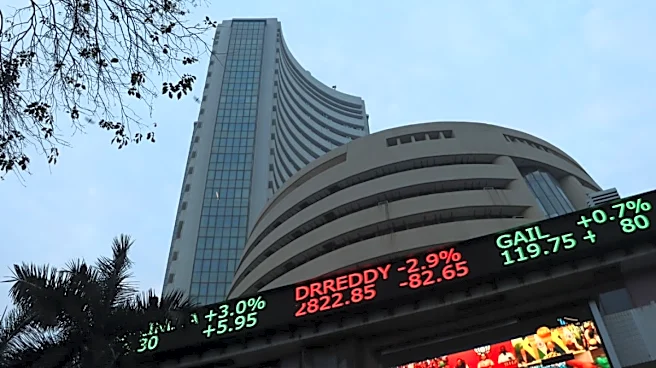
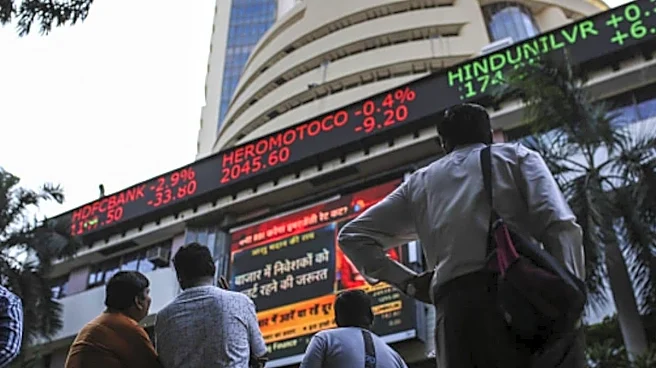
Japanese equities rallied post their return from a break as the Nikkei 225 Index gained 3.4%. Meanwhile, gauges in South Korea and Australia also increased on speculation of easing of West Asia tensions would lower oil prices help with economic growth.
The broader MSCI Asia Pacific Index was up 0.6%.
Gains in Asia followed the S&P 500 and the Nasdaq 100 indexes both closing at a record high on Wednesday, reflecting healthy risk appetite.
Helping the sentiment was Brent crude sliding almost 8% on Wednesday to just above $101 a barrel, sparking a rally in US and global bonds. The commodity opened higher on Thursday. Gold jumped and the dollar fell to pre-war levels during the US session. Falling energy commodities eased inflation concerns and led to receding bets on interest-rate hikes by the Federal Reserve.
Attention is also on the yen, which steadied around 156.35 per dollar early Thursday after strengthening in the prior session amid speculation that officials are intervening in the market.
The global moves reflected optimism over easing Middle East tensions as the US and Iran circled a proposal to end the nearly 10-week conflict. Easing tensions in recent weeks have helped global equities erase war-driven losses and push to fresh highs, as falling oil prices eased inflation concerns and revived momentum in the artificial intelligence trade.
Washington has presented a one-page memorandum of understanding that would gradually reopen the Strait of Hormuz and lift the American blockade on Iranian ports, according to a person familiar with the measure. Detailed negotiations over Iran’s nuclear program would come later in the process, the person said, adding that nothing has yet been agreed.
The move came after Trump suspended a short-lived US mission to offer safe passage for commercial ships through the strait, a vital waterway for oil and gas. A response from Iran is awaited.
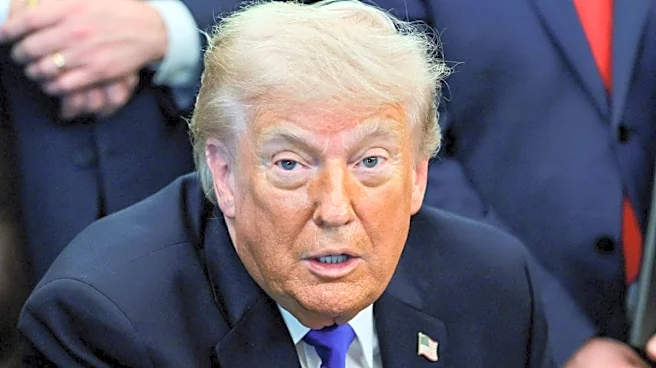
Trump said the war has “a very good chance of ending” and there’s a possibility that happens before his trip to Beijing next week, according to an interview with PBS News Hour. China’s top diplomat called for the swift reopening of Hormuz in a meeting with his Iranian counterpart.
Investors also parsed the latest economic data ahead of Friday’s jobs report. US companies boosted payrolls in April by the most in over a year, the latest evidence of stabilization in the labor market.
Fed Bank of St. Louis President Alberto Musalem said there’s uncertainty over the future path for the economy and monetary policy, but he sees risks rising more for inflation than for employment. His Chicago counterpart Austan Goolsbee warned against reflexively lowering rates in response to faster productivity growth, as the phenomenon can sometimes drive up prices.
With inputs from Bloomberg
Japanese equities rallied post their return from a break as the Nikkei 225 Index gained 3.4%. Meanwhile, gauges in South Korea and Australia also increased on speculation of easing of West Asia tensions would lower oil prices help with economic growth.
The broader MSCI Asia Pacific Index was up 0.6%.
Gains in Asia followed the S&P 500 and the Nasdaq 100 indexes both closing at a record high on Wednesday, reflecting healthy risk appetite.
Helping the sentiment was Brent crude sliding almost 8% on Wednesday to just above $101 a barrel, sparking a rally in US and global bonds. The commodity opened higher on Thursday. Gold jumped and the dollar fell to pre-war levels during the US session. Falling energy commodities eased inflation concerns and led to receding bets on interest-rate hikes by the Federal Reserve.
Attention is also on the yen, which steadied around 156.35 per dollar early Thursday after strengthening in the prior session amid speculation that officials are intervening in the market.
The global moves reflected optimism over easing Middle East tensions as the US and Iran circled a proposal to end the nearly 10-week conflict. Easing tensions in recent weeks have helped global equities erase war-driven losses and push to fresh highs, as falling oil prices eased inflation concerns and revived momentum in the artificial intelligence trade.
Washington has presented a one-page memorandum of understanding that would gradually reopen the Strait of Hormuz and lift the American blockade on Iranian ports, according to a person familiar with the measure. Detailed negotiations over Iran’s nuclear program would come later in the process, the person said, adding that nothing has yet been agreed.
The move came after Trump suspended a short-lived US mission to offer safe passage for commercial ships through the strait, a vital waterway for oil and gas. A response from Iran is awaited.
Trump said the war has “a very good chance of ending” and there’s a possibility that happens before his trip to Beijing next week, according to an interview with PBS News Hour. China’s top diplomat called for the swift reopening of Hormuz in a meeting with his Iranian counterpart.
Investors also parsed the latest economic data ahead of Friday’s jobs report. US companies boosted payrolls in April by the most in over a year, the latest evidence of stabilization in the labor market.
Fed Bank of St. Louis President Alberto Musalem said there’s uncertainty over the future path for the economy and monetary policy, but he sees risks rising more for inflation than for employment. His Chicago counterpart Austan Goolsbee warned against reflexively lowering rates in response to faster productivity growth, as the phenomenon can sometimes drive up prices.
With inputs from Bloomberg

/images/ppid_59c68470-image-177803002563542197.webp)
/images/ppid_59c68470-image-177796569338560501.webp)
/images/ppid_59c68470-image-177811756736139676.webp)

/images/ppid_59c68470-image-17780401181753514.webp)
/images/ppid_59c68470-image-177803256135915139.webp)
/images/ppid_59c68470-image-17780425935657567.webp)