/images/ppid_59c68470-image-178471503536722189.webp)




What is the story about?
India's pharmaceutical industry is assessing the implications of US President Donald Trump's proposed tariffs on imported generic medicines, but future investments in the US will continue to depend on commercial viability rather than policy announcements alone, Indian Pharmaceutical Alliance (IPA) Secretary General Sudarshan Jain said.
Lupin imported into the US will remain tariff-free for two years from August 1, 2026, after which Cipla will rise to 100% for one year and 200% thereafter as part of a plan to bring generic drug manufacturing back to the US.
Jain said the industry is studying the announcement while remaining engaged with US authorities. He noted that Indian drugmakers already have a significant manufacturing footprint and investments in the country, with companies deciding future expansion plans based on the economics of individual products rather than tariff announcements alone.
Jain added, “We are continuously engaged with the US government, and economic sustainability will be the critical factor to decide the manufacturing. The companies like
Zydus, Sun Pharma, Zydus, Sun Pharma have already invested, and we are one of the highest investors among all the countries in the US in the pharma sector.”
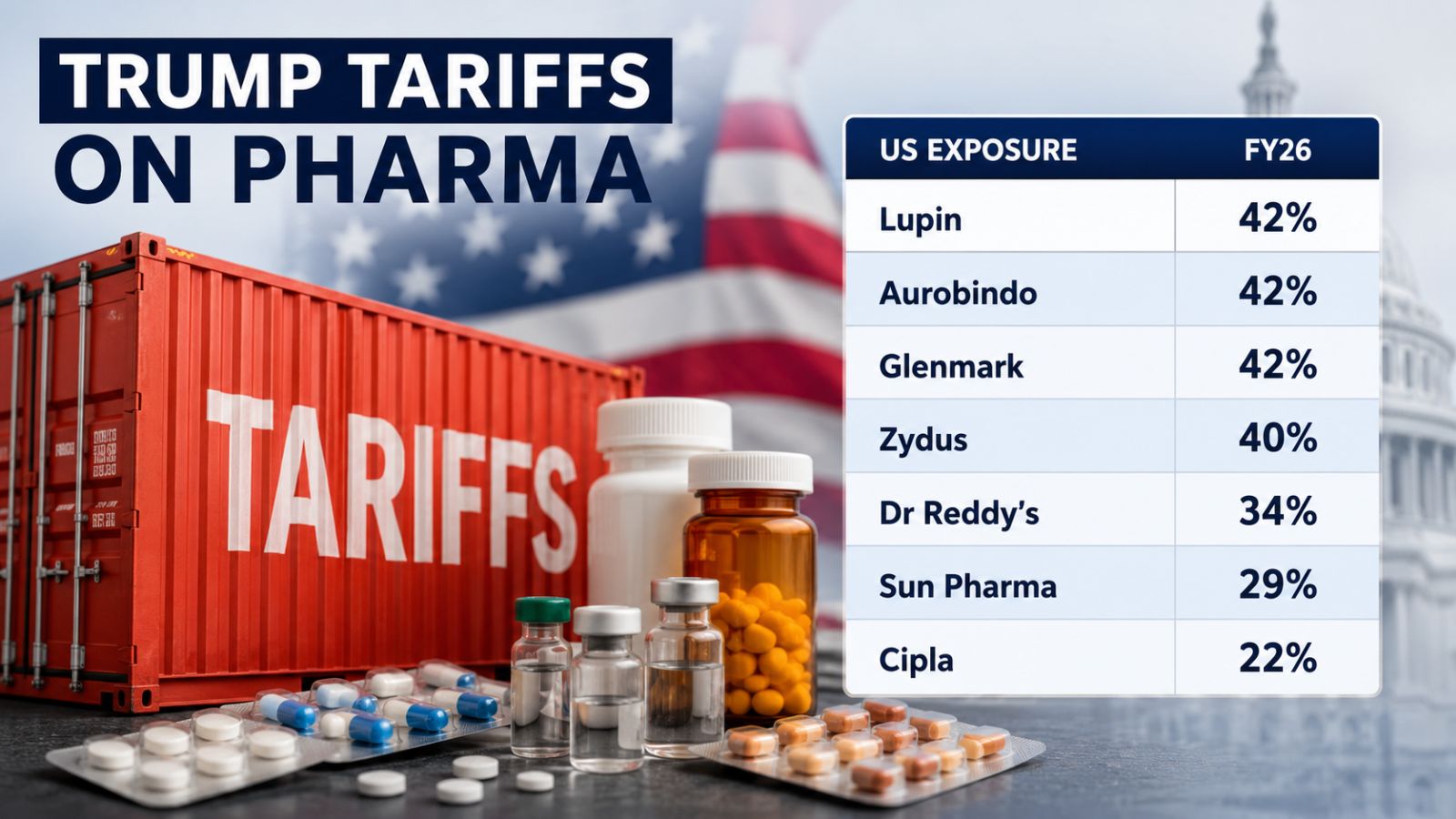
Indian pharmaceutical companies have invested around $20 billion in the US across manufacturing, research and supply chains, while several companies have already expanded their presence through new plants or acquisitions. He added that manufacturing some medicines in the US could take four to five years and may not be commercially viable for every product.
According to Jain, companies will continue to assess whether manufacturing high-value or specialised medicines in the US makes business sense. Products with complex delivery systems or oncology therapies may offer better economics than low-cost generic medicines.
The industry is discussing several issues with the US government to make future manufacturing investments commercially viable. The discussions are centred on identifying essential medicines and product categories that can be manufactured competitively in the US, while ensuring long-term demand visibility and predictable market conditions.
He said companies also need greater clarity on government procurement, reimbursement support and regulatory approvals before committing fresh investments. According to him, the focus is on creating an economically sustainable framework that supports manufacturing in the US while strengthening the long-standing pharmaceutical partnership between the two countries.
He added that India and the US remain committed to ensuring healthcare security through a reliable supply of affordable medicines.
Watch accompanying video for more
Follow our live blog for more stock market updates
Lupin imported into the US will remain tariff-free for two years from August 1, 2026, after which Cipla will rise to 100% for one year and 200% thereafter as part of a plan to bring generic drug manufacturing back to the US.
Jain said the industry is studying the announcement while remaining engaged with US authorities. He noted that Indian drugmakers already have a significant manufacturing footprint and investments in the country, with companies deciding future expansion plans based on the economics of individual products rather than tariff announcements alone.
Jain added, “We are continuously engaged with the US government, and economic sustainability will be the critical factor to decide the manufacturing. The companies like
Indian pharmaceutical companies have invested around $20 billion in the US across manufacturing, research and supply chains, while several companies have already expanded their presence through new plants or acquisitions. He added that manufacturing some medicines in the US could take four to five years and may not be commercially viable for every product.
According to Jain, companies will continue to assess whether manufacturing high-value or specialised medicines in the US makes business sense. Products with complex delivery systems or oncology therapies may offer better economics than low-cost generic medicines.
The industry is discussing several issues with the US government to make future manufacturing investments commercially viable. The discussions are centred on identifying essential medicines and product categories that can be manufactured competitively in the US, while ensuring long-term demand visibility and predictable market conditions.
He said companies also need greater clarity on government procurement, reimbursement support and regulatory approvals before committing fresh investments. According to him, the focus is on creating an economically sustainable framework that supports manufacturing in the US while strengthening the long-standing pharmaceutical partnership between the two countries.
He added that India and the US remain committed to ensuring healthcare security through a reliable supply of affordable medicines.
Watch accompanying video for more
Follow our live blog for more stock market updates


/images/ppid_59c68470-image-178468507844859435.webp)
/images/ppid_59c68470-image-178469502597052050.webp)

/images/ppid_59c68470-image-178470503058049085.webp)
/images/ppid_59c68470-image-178465504870818428.webp)
/images/ppid_59c68470-image-178465252808311920.webp)