/images/ppid_59c68470-image-178651755980149496.webp)


What is the story about?
Nomura has raised its estimate for the foreign currency non-resident (FCNR) inflows to $80-90 billion from its previous $55 billion, which the brokerage's head of global macro research Robert Subbaraman said will provide significant support to the rupee and give the Reserve Bank of India (RBI) more room to manage currency pressures.
Subbaraman remained constructive on India’s economic outlook as he said strong growth, relatively benign inflation and rising foreign inflows under the FCNR scheme provide a favourable macro backdrop.
Subbaraman expects India’s growth to remain resilient in the second half of the financial year 2027, with the second quarter gross domestic product (GDP) growth tracking above 7%, while FY27 growth is forecast at 6.6% and inflation at 4.4%. However, he flags oil and food prices as key risks, while maintaining that the RBI does not need to raise rates under the current growth-inflation configuration.
This is an edited transcript of the interview.
Q: With the Middle East tensions, elevated crude prices and artificial intelligence (AI) boom, is the macro backdrop supportive of the US bull run extending?
A: I think at this stage we have these colliding forces. I think we have the AI transformation, which we think is contributing maybe as much as half of US' gross domestic product (GDP) growth, but then we have the geopolitics that you talked about, and Iran and oil prices, which is kind of countering that. So, there are opposing forces.
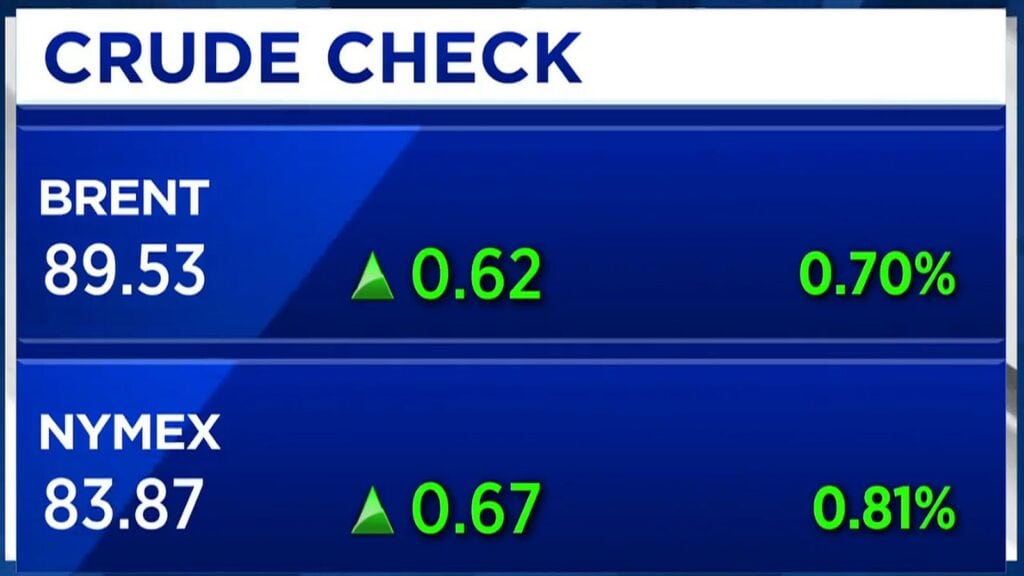
I'd say so far this year, the economies, whether it's the US, countries in Asia or India, have been surprisingly resilient in terms of growth, and it's going to be very interesting. I'd say the outlook for the second half of the year is getting cloudier and more uncertain.
There's a bit more uncertainty around AI sustainability of the investments, and also the US-Iran situation — a lot of brinkmanship happening now. Oil prices going up again, and we have El Nino as well. So, a lot of clouds out there.
But if you look at the first half of the year, there were also a lot of clouds, and the economies were still resilient. Very nimble policies helped, I think, as well.
Q: You said that you were surprised by the resilience shown by the Indian economy and even the Asian economy in the face of what we've seen. Now, back home, we're celebrating the April-June quarter of 2026 (Q1FY27) earnings season. Everyone thought it's going to be a tough one, and it actually turned out to be better. If the outlook for the second half of the year is cloudier, what should we expect from Indian macros? Are they likely to weaken from here on? Will that hurt the earnings picture then?
A: Our view is that India's economy is going to remain resilient. We're going to be getting inflation data later this week. Inflation, despite the rise in commodity prices, I think has been tamer than most people thought.
We think the number is going to actually come down, headline Consumer Price Index (CPI) from 4.4% to 4.3%, and then on the growth side, it's looking like the Q2 GDP growth is going to remain a bit above 7%. So, we still have this strong growth.
And yes, inflation in India is starting to creep up, but from fairly low levels. And then we have strong capital inflows coming now from the Foreign Currency Non-Resident (FCNR) scheme, which we think could be as much as $80-90 billion of inflows from that, so a balance of payments surplus, a very big one this year. We think about $60 billion worth is on the cards.
So, overall, the construct for India, I think, remains positive. I think, especially in terms of growth and inflation, the challenge is really what happens to oil prices, what happens to food prices with geopolitics and El Nino. But there are risks there. Our base case is continued decent growth and low inflation.
Our FY forecast for GDP growth is 6.6% and for inflation, 4.4%. That's a pretty good outcome.
Q: Let's talk about the Fed. Chair Kevin Warsh is in a bit of a tricky zone? Do you think he goes the distance and hikes rates later this year? I was looking at the chart, and the probability has fallen from around 67% closer to sub-50% or thereabouts. Will he bite the bullet? And how are you reading his commentary of late? You know, he was neutral more or less, but now, in fact, the street is divided.
A: I think the CPI report that's coming out for July later this week is going to be much more important for markets than these US CPI reports typically are.
The key thing to watch is going to be the core CPI month on month. It was 0% in June. We and the consensus are forecasting 0.2%, but if we get an upside surprise of 0.3% or higher, I think the market is going to rapidly price in a much higher chance of a Fed hike in September.
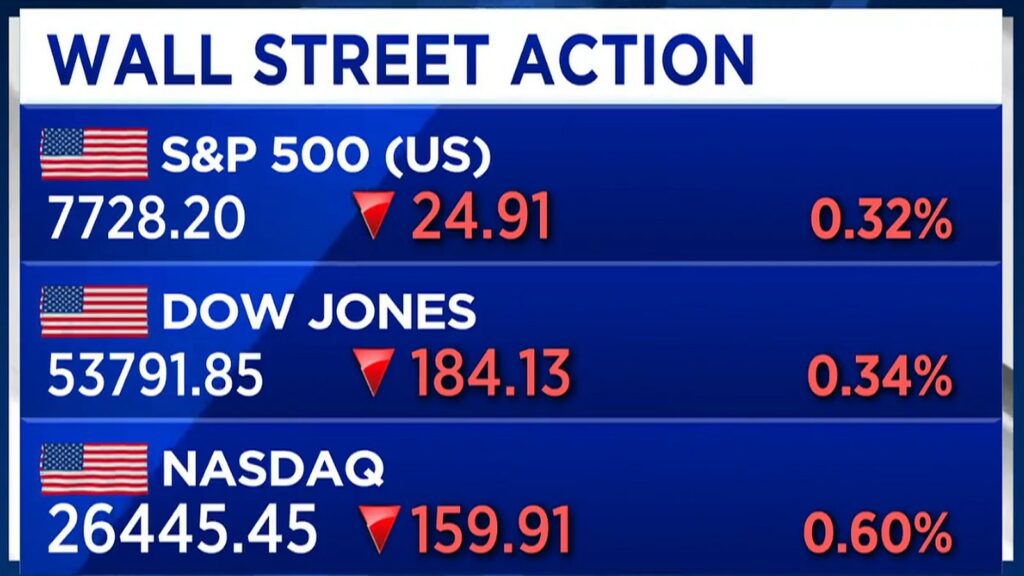
Apparently, it's a coin toss, 50-50. But given Kevin Warsh, the new Fed chair, has provided very little forward guidance, and he's actually said he's watching the bond market, which in turn is watching the Fed. So, it's a bit circular.
I think if we get an upside inflation surprise, and given more and more Federal Open Market Committee (FOMC) members are starting to become impatient with inflation being above the Fed's target for over five years now, I think the market, the bond market, will quickly start pricing in a much higher chance of a September hike.
And just one last thing: the September FOMC meeting is just before the Bank of Japan (BoJ) meeting, and we know that the yen has been very weak against the dollar. There's been FX intervention. If the Fed hikes, there's a good chance the BoJ will have to hike.
So, this CPI report is also very important for the Bank of Japan, and what the Bank of Japan does the day after the Fed in September.
Q: How do you view India’s outlook amid these cross-currents, with earnings improving, broader market growth picking up and strong dollar inflows from the FCNR scheme?
A: We remain positive and constructive on India's economic outlook, and it's just so important to go back to basics.
The growth-inflation configuration in India remains positive in the view of Nomura. So, as I mentioned, GDP growth is tracking around over 7% in Q2, and the data we're getting for July is also holding up well when we look at auto sales, goods and services tax (GST) receipts, and inflation.
Even with the surge in energy costs, partly due to nimble government policies, inflations remained relatively benign compared to past experiences for India.
So, decent growth, inflation still well within the 2-6% inflation target band, and we think it's going to remain well within it. To us, it means that the Reserve Bank of India (RBI) does not need to raise rates.
The other thing around why the RBI may need to raise rates: some market speculative positions believe that the currency is going to come under more pressure. Well, the FCNR scheme, in our mind, has been extremely successful and is going to continue to surprise the market on the upside.
We have just upped our estimate of the inflows from FCNR. We previously thought around $55 billion, which was above the market. We have raised that now to maybe somewhere between $80-90 billion US dollars, so a very big inflow, and that will provide a lot of ammunition for the RBI if it needs to, and importantly will influence FX market expectations.
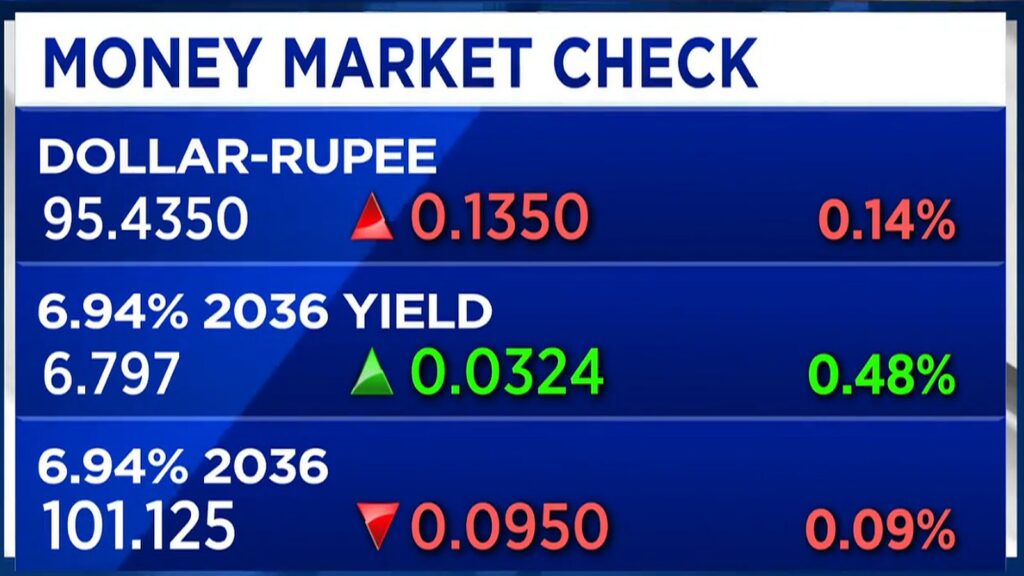
So, we have dollar-INR at 93 by the end of this calendar year, and with that the RBI does not need to raise rates to defend the currency either.
So, all up, we're still very constructive. As I said, the risks are food prices, oil prices. They could go up further. They could get out of hand. We have to watch that.
I will just point out one other thing. We've done a lot of empirical work looking at monsoons and rainfall and the relationship with food prices in India. Even though you hear a lot of hype that bad monsoons, rainfall deficiency leads to big agricultural problems and food prices going up, the correlation is not that great.
There's often periods where monsoons are bad and there's not enough rainfall, but food prices don't go up that much. So, we're also cognizant of that.
Watch the full conversation here
Catch all the latest updates from the stock market here
Subbaraman remained constructive on India’s economic outlook as he said strong growth, relatively benign inflation and rising foreign inflows under the FCNR scheme provide a favourable macro backdrop.
Subbaraman expects India’s growth to remain resilient in the second half of the financial year 2027, with the second quarter gross domestic product (GDP) growth tracking above 7%, while FY27 growth is forecast at 6.6% and inflation at 4.4%. However, he flags oil and food prices as key risks, while maintaining that the RBI does not need to raise rates under the current growth-inflation configuration.
This is an edited transcript of the interview.
Q: With the Middle East tensions, elevated crude prices and artificial intelligence (AI) boom, is the macro backdrop supportive of the US bull run extending?
A: I think at this stage we have these colliding forces. I think we have the AI transformation, which we think is contributing maybe as much as half of US' gross domestic product (GDP) growth, but then we have the geopolitics that you talked about, and Iran and oil prices, which is kind of countering that. So, there are opposing forces.
I'd say so far this year, the economies, whether it's the US, countries in Asia or India, have been surprisingly resilient in terms of growth, and it's going to be very interesting. I'd say the outlook for the second half of the year is getting cloudier and more uncertain.
There's a bit more uncertainty around AI sustainability of the investments, and also the US-Iran situation — a lot of brinkmanship happening now. Oil prices going up again, and we have El Nino as well. So, a lot of clouds out there.
But if you look at the first half of the year, there were also a lot of clouds, and the economies were still resilient. Very nimble policies helped, I think, as well.
Q: You said that you were surprised by the resilience shown by the Indian economy and even the Asian economy in the face of what we've seen. Now, back home, we're celebrating the April-June quarter of 2026 (Q1FY27) earnings season. Everyone thought it's going to be a tough one, and it actually turned out to be better. If the outlook for the second half of the year is cloudier, what should we expect from Indian macros? Are they likely to weaken from here on? Will that hurt the earnings picture then?
A: Our view is that India's economy is going to remain resilient. We're going to be getting inflation data later this week. Inflation, despite the rise in commodity prices, I think has been tamer than most people thought.
We think the number is going to actually come down, headline Consumer Price Index (CPI) from 4.4% to 4.3%, and then on the growth side, it's looking like the Q2 GDP growth is going to remain a bit above 7%. So, we still have this strong growth.
And yes, inflation in India is starting to creep up, but from fairly low levels. And then we have strong capital inflows coming now from the Foreign Currency Non-Resident (FCNR) scheme, which we think could be as much as $80-90 billion of inflows from that, so a balance of payments surplus, a very big one this year. We think about $60 billion worth is on the cards.
So, overall, the construct for India, I think, remains positive. I think, especially in terms of growth and inflation, the challenge is really what happens to oil prices, what happens to food prices with geopolitics and El Nino. But there are risks there. Our base case is continued decent growth and low inflation.
Our FY forecast for GDP growth is 6.6% and for inflation, 4.4%. That's a pretty good outcome.
Q: Let's talk about the Fed. Chair Kevin Warsh is in a bit of a tricky zone? Do you think he goes the distance and hikes rates later this year? I was looking at the chart, and the probability has fallen from around 67% closer to sub-50% or thereabouts. Will he bite the bullet? And how are you reading his commentary of late? You know, he was neutral more or less, but now, in fact, the street is divided.
A: I think the CPI report that's coming out for July later this week is going to be much more important for markets than these US CPI reports typically are.
The key thing to watch is going to be the core CPI month on month. It was 0% in June. We and the consensus are forecasting 0.2%, but if we get an upside surprise of 0.3% or higher, I think the market is going to rapidly price in a much higher chance of a Fed hike in September.
Apparently, it's a coin toss, 50-50. But given Kevin Warsh, the new Fed chair, has provided very little forward guidance, and he's actually said he's watching the bond market, which in turn is watching the Fed. So, it's a bit circular.
I think if we get an upside inflation surprise, and given more and more Federal Open Market Committee (FOMC) members are starting to become impatient with inflation being above the Fed's target for over five years now, I think the market, the bond market, will quickly start pricing in a much higher chance of a September hike.
And just one last thing: the September FOMC meeting is just before the Bank of Japan (BoJ) meeting, and we know that the yen has been very weak against the dollar. There's been FX intervention. If the Fed hikes, there's a good chance the BoJ will have to hike.
So, this CPI report is also very important for the Bank of Japan, and what the Bank of Japan does the day after the Fed in September.
Q: How do you view India’s outlook amid these cross-currents, with earnings improving, broader market growth picking up and strong dollar inflows from the FCNR scheme?
A: We remain positive and constructive on India's economic outlook, and it's just so important to go back to basics.
The growth-inflation configuration in India remains positive in the view of Nomura. So, as I mentioned, GDP growth is tracking around over 7% in Q2, and the data we're getting for July is also holding up well when we look at auto sales, goods and services tax (GST) receipts, and inflation.
Even with the surge in energy costs, partly due to nimble government policies, inflations remained relatively benign compared to past experiences for India.
So, decent growth, inflation still well within the 2-6% inflation target band, and we think it's going to remain well within it. To us, it means that the Reserve Bank of India (RBI) does not need to raise rates.
The other thing around why the RBI may need to raise rates: some market speculative positions believe that the currency is going to come under more pressure. Well, the FCNR scheme, in our mind, has been extremely successful and is going to continue to surprise the market on the upside.
We have just upped our estimate of the inflows from FCNR. We previously thought around $55 billion, which was above the market. We have raised that now to maybe somewhere between $80-90 billion US dollars, so a very big inflow, and that will provide a lot of ammunition for the RBI if it needs to, and importantly will influence FX market expectations.
So, we have dollar-INR at 93 by the end of this calendar year, and with that the RBI does not need to raise rates to defend the currency either.
So, all up, we're still very constructive. As I said, the risks are food prices, oil prices. They could go up further. They could get out of hand. We have to watch that.
I will just point out one other thing. We've done a lot of empirical work looking at monsoons and rainfall and the relationship with food prices in India. Even though you hear a lot of hype that bad monsoons, rainfall deficiency leads to big agricultural problems and food prices going up, the correlation is not that great.
There's often periods where monsoons are bad and there's not enough rainfall, but food prices don't go up that much. So, we're also cognizant of that.
Watch the full conversation here
Catch all the latest updates from the stock market here
/images/ppid_59c68470-image-178659253030340441.webp)




/images/ppid_59c68470-image-178664006448214989.webp)