/images/ppid_59c68470-image-178964262520933705.webp)



What is the story about?
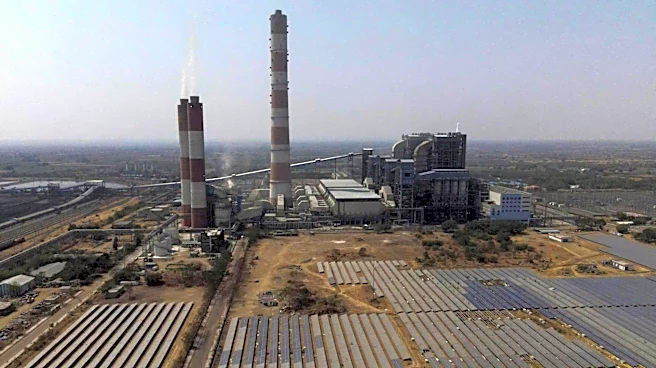
India’s power-sector emissions did not increase from the first half of 2024 to the same period in 2026 due to a surge in clean energy, according to a new analysis.
The analysis by the Centre for Research on Energy and Clean Air (CREA), released on Thursday, September 17, said this was the first time in more than 50 years that the country’s coal power did not expand over two years, even as the overall electricity demand grew.
However, India’s emissions rose by 3.7% year-on-year in the first half of 2026 because of a surge from steel, cement and other sectors, it added.
The analysis, carried out by CREA analysts Lauri Myllyvirta and Anubha Aggarwal, highlighted that clean energy met all of the 7% rise in India’s electricity demand over the two years, adding 63 terawatt-hours (TWh).
”The period from the first half of 2024 to the first half of 2026 saw the largest increase in non-fossil power generation on record in India…. Solar grew by 44TWh, alongside growth from wind (13TWh), nuclear (7TWh) and hydro (8TWh),” the analysis said.
There are some causes for concern, though. For instance, if the pace of India’s clean-energy expansion is to continue, it will need to upgrade its electricity grid, rapidly build out energy storage and boost the flexibility of coal power, according to the analysis.
Moreover, the fossil-fuel industry continues to pursue major capital investments. ”This includes large amounts of new coal-power capacity, ambitious plans for the conversion of coal to chemicals and efforts to boost domestic coking coal production for the steel sector,” the analysis said.
Another issue is the rising levels of emissions from heavy industry. The analysis revealed that steel and cement emissions grew by 8% year-on-year, reaching a 23% share of India’s total carbon dioxide (CO2) in the first half of 2026.
The growth in steel and cement was supported in part by increased investment in India’s real-estate sector, especially in the second quarter.
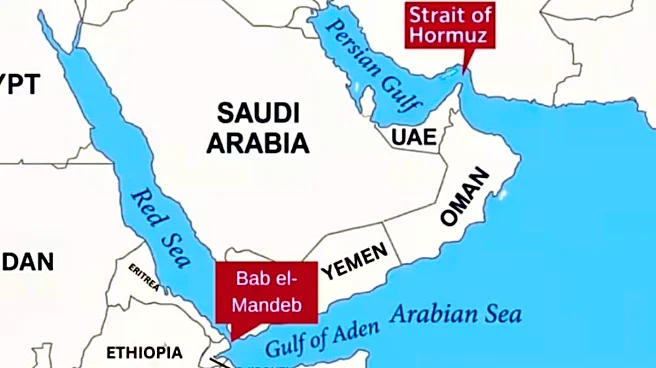
”Despite this, profit margins of Indian steel and cement manufacturers remained under pressure for much of the period due to elevated raw material costs — particularly imported coking coal — and higher freight costs stemming from the Hormuz crisis,” the analysis said.
Also read: Indian utilities' August coal imports surge to 15-month high as heat boosts demand
The analysis by the Centre for Research on Energy and Clean Air (CREA), released on Thursday, September 17, said this was the first time in more than 50 years that the country’s coal power did not expand over two years, even as the overall electricity demand grew.
However, India’s emissions rose by 3.7% year-on-year in the first half of 2026 because of a surge from steel, cement and other sectors, it added.
The analysis, carried out by CREA analysts Lauri Myllyvirta and Anubha Aggarwal, highlighted that clean energy met all of the 7% rise in India’s electricity demand over the two years, adding 63 terawatt-hours (TWh).
”The period from the first half of 2024 to the first half of 2026 saw the largest increase in non-fossil power generation on record in India…. Solar grew by 44TWh, alongside growth from wind (13TWh), nuclear (7TWh) and hydro (8TWh),” the analysis said.
There are some causes for concern, though. For instance, if the pace of India’s clean-energy expansion is to continue, it will need to upgrade its electricity grid, rapidly build out energy storage and boost the flexibility of coal power, according to the analysis.
Moreover, the fossil-fuel industry continues to pursue major capital investments. ”This includes large amounts of new coal-power capacity, ambitious plans for the conversion of coal to chemicals and efforts to boost domestic coking coal production for the steel sector,” the analysis said.
Another issue is the rising levels of emissions from heavy industry. The analysis revealed that steel and cement emissions grew by 8% year-on-year, reaching a 23% share of India’s total carbon dioxide (CO2) in the first half of 2026.
The growth in steel and cement was supported in part by increased investment in India’s real-estate sector, especially in the second quarter.
”Despite this, profit margins of Indian steel and cement manufacturers remained under pressure for much of the period due to elevated raw material costs — particularly imported coking coal — and higher freight costs stemming from the Hormuz crisis,” the analysis said.
Also read: Indian utilities' August coal imports surge to 15-month high as heat boosts demand








/images/ppid_59c68470-image-178981252579078139.webp)