/images/ppid_59c68470-image-177544505096960118.webp)

/images/ppid_59c68470-image-177518752494525237.webp)

What is the story about?
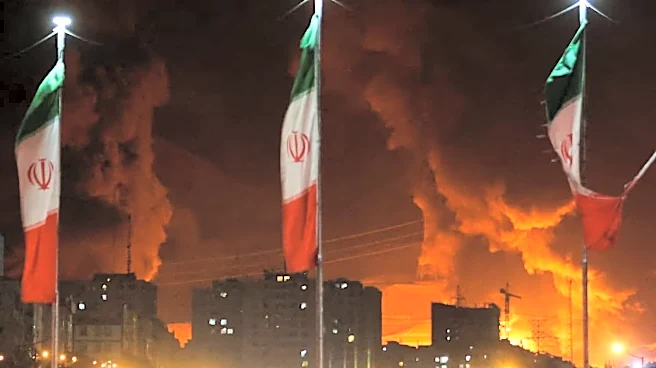
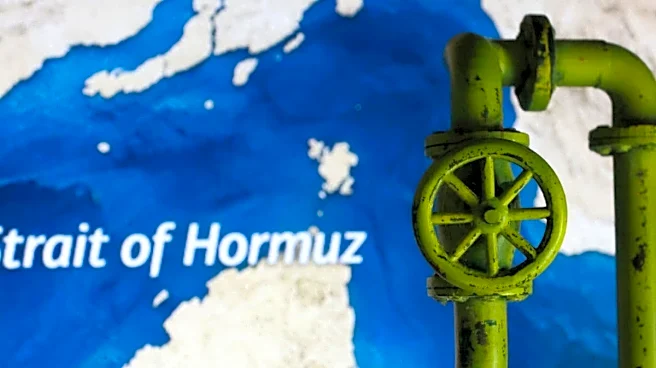
The Strait of Hormuz has been at the centre of global attention as the US-Israel war in Iran continues to see further escalation. While this narrow waterway is arguably the most crucial maritime chokepoint, making way for nearly 20% of all hydrocarbons shipped globally, it is not the only one.
The latest flashpoint of the narrow straits is the Houthis and the Bab al-Mandab Strait. The strait, which quite literally translates to "The Door of Grief" is another important gateway for global maritime trade.
This strip of water connects the Red Sea to the Gulf of Aden, which opens further into the Indian Ocean, and plays a crucial role in global trade.
As per The Economist's estimates, around 16% of all seaborne global trade passes through the Bab al-Mandab Strait, compared to 6% through the Strait of Hormuz. This includes all trade, not just energy or fossil fuels.
For oil, a total of 10% of the global oil transport passes through this region, which connects Saudi Arabia, Israel and Egypt to the Indian Ocean.
This is also crucial, as this route has been Saudi Arabia's alternative in the absence of the passage of its eastern coast, via the Persian Gulf (Strait of Hormuz).
The Bab al-Mandeb Strait is now under the radar because the Houthis had, in a message, signalled their intention to enter the fight, supporting Iran, which backs the group.
The Houthis are seen as one of Iran's proxies in the region, making up the Axis of Resistance. In addition, along with the ongoing hostilities against Iran (at the hands of the US and Israel), the Houthis have also had an animosity-induced equation with the Saudis as well.
A recent post from Ali Akbar Velayati, Senior Advisor to the Iranian Supreme Leader on Foreign Affairs and a member of the Iranian Expediency Discernment Council, hinted at further escalation. In his post on April 5, Velayati said, "Today, the unified command of the Resistance front views Bab al-Mandeb as it does Hormuz. If the White House dares to repeat its foolish mistakes, it will soon realise that the flow of global energy and trade can be disrupted with a single move."
While the Houthis are said to be more autonomous (from Iran) than the likes of Hamas and Hezbollah, their imminent participation and therefore active blockade of the Bab al-Mandab Strait cannot be dismissed.
No clarity has emerged on the Iran war yet, with reports continuing to suggest a last-ditch push for a ceasefire, but US President Donald Trump has warned Iran of further escalation as his 48-hour deadline ends on Monday.
The latest flashpoint of the narrow straits is the Houthis and the Bab al-Mandab Strait. The strait, which quite literally translates to "The Door of Grief" is another important gateway for global maritime trade.
Why Does It Matter?
This strip of water connects the Red Sea to the Gulf of Aden, which opens further into the Indian Ocean, and plays a crucial role in global trade.
As per The Economist's estimates, around 16% of all seaborne global trade passes through the Bab al-Mandab Strait, compared to 6% through the Strait of Hormuz. This includes all trade, not just energy or fossil fuels.
For oil, a total of 10% of the global oil transport passes through this region, which connects Saudi Arabia, Israel and Egypt to the Indian Ocean.
This is also crucial, as this route has been Saudi Arabia's alternative in the absence of the passage of its eastern coast, via the Persian Gulf (Strait of Hormuz).
Area Of Concern
The Bab al-Mandeb Strait is now under the radar because the Houthis had, in a message, signalled their intention to enter the fight, supporting Iran, which backs the group.
The Houthis are seen as one of Iran's proxies in the region, making up the Axis of Resistance. In addition, along with the ongoing hostilities against Iran (at the hands of the US and Israel), the Houthis have also had an animosity-induced equation with the Saudis as well.
A recent post from Ali Akbar Velayati, Senior Advisor to the Iranian Supreme Leader on Foreign Affairs and a member of the Iranian Expediency Discernment Council, hinted at further escalation. In his post on April 5, Velayati said, "Today, the unified command of the Resistance front views Bab al-Mandeb as it does Hormuz. If the White House dares to repeat its foolish mistakes, it will soon realise that the flow of global energy and trade can be disrupted with a single move."
Today,
the unified command of the Resistance front views Bab al-Mandeb as it does Hormuz. If the White House dares to repeat its foolish mistakes, it will soon realize that the flow of global energy and trade can be disrupted with a single move.
— Aliakbar Velayati (@Drvelayati_ir) April 5, 2026
While the Houthis are said to be more autonomous (from Iran) than the likes of Hamas and Hezbollah, their imminent participation and therefore active blockade of the Bab al-Mandab Strait cannot be dismissed.
No clarity has emerged on the Iran war yet, with reports continuing to suggest a last-ditch push for a ceasefire, but US President Donald Trump has warned Iran of further escalation as his 48-hour deadline ends on Monday.


/images/ppid_59c68470-image-177528512455812045.webp)



/images/ppid_59c68470-image-177522502915644752.webp)