/images/ppid_59c68470-image-178282756186327988.webp)





What is the story about?
Delhi's latest electric vehicle (EV) policy is more than another subsidy programme aimed at encouraging cleaner mobility. By introducing phased restrictions on the registration of certain fossil fuel-powered vehicles, it signals a shift in how governments could drive EV adoption—from relying primarily on incentives to using regulation to reshape the market.
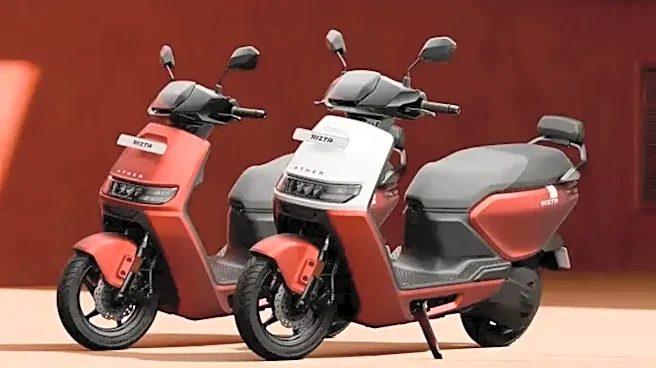
The policy, which comes into effect from July 1, combines purchase incentives with investments in charging infrastructure, battery recycling and tax concessions. More significantly, it lays out a phased roadmap for transitioning away from internal combustion engine (ICE) vehicles. From January 1, 2027, only electric three-wheelers will be eligible for new registrations, while registrations of new petrol and CNG two-wheelers will end from April 1, 2028.
While the immediate objective is to improve air quality in the national capital, industry experts believe the policy could also influence how other Indian states approach the next phase of electric mobility.
Why is Delhi taking a tougher approach?
Delhi has promoted electric vehicles through incentives for several years. The new policy builds on that foundation by introducing clear timelines for phasing out new registrations of selected fossil fuel-powered vehicles.
The rationale lies in the city's persistent air pollution problem. Unlike seasonal sources of pollution, transport emissions contribute throughout the year, making them one of the most consistent sources of harmful pollutants.
According to Amit Bhatt, Managing Director (India) at the International Council on Clean Transportation (ICCT), recent research by the organisation found that real-world vehicle emissions are often higher than laboratory measurements. Even compressed natural gas (CNG) vehicles continue to emit significant levels of nitrogen oxides (NOx), limiting their effectiveness as a long-term clean mobility solution.
Against that backdrop, the policy reflects a growing view that zero-tailpipe-emission vehicles are becoming a necessity rather than simply an environmental preference.
Why is the focus shifting from subsidies to regulation?
One of the most significant aspects of Delhi's policy is that it goes beyond financial incentives.
Subsidies have played a crucial role in helping consumers adopt EVs during the early stages of the market. However, experts argue that incentives alone eventually reach a point of diminishing returns, making regulatory certainty equally important for sustaining growth.
Bhatt believes governments also need supply-side regulation that encourages manufacturers to accelerate electrification rather than waiting for consumer demand to evolve gradually.
International experience supports that approach. California introduced zero-emission vehicle (ZEV) sales mandates, while several European countries combined incentives with stricter fuel-efficiency regulations. China also relied extensively on regulatory measures alongside subsidies to expand EV production and adoption.
Such policies provide manufacturers with long-term visibility, encouraging investment in new products, production capacity and localisation.
Why are hybrid vehicles not part of the plan?
One of the more debated aspects of Delhi's policy is its decision not to extend incentives to hybrid vehicles.
Although hybrids are often viewed as a bridge between conventional petrol vehicles and fully electric models, experts argue that the technology currently available in India delivers only incremental improvements.
Bhatt notes that most strong hybrids sold in India continue to depend primarily on petrol engines, with their batteries charged through regenerative braking rather than external charging. As a result, they cannot operate as true electric vehicles for meaningful distances.
By comparison, plug-in hybrids and range-extender hybrids available in several international markets can be charged externally and travel much farther using electric power alone.
From a policy perspective, Delhi has chosen to prioritise full electrification instead of supporting intermediate technologies.
Could other states adopt similar measures?
The biggest question surrounding Delhi's policy is whether it could become a template for the rest of the country.
Several Indian cities face worsening air pollution and rising transport emissions. If Delhi demonstrates that phased registration restrictions can accelerate EV adoption without disrupting consumers or the automobile industry, other state governments could consider similar mandates.
Bhatt argues that such policies also redistribute responsibility for the transition.
"The onus of buying electric vehicles should not rest only on buyers. It should also be on the sellers."
In practice, sales mandates require manufacturers to prepare for an electric future instead of relying solely on consumers to drive demand. As production volumes increase and competition intensifies, EV prices are also expected to become more competitive over time.
Why domestic manufacturing will become more important
If more states follow Delhi's approach, demand for electric vehicles could accelerate sharply. That, in turn, would increase the importance of building a stronger domestic EV manufacturing ecosystem.
Saharsh Damani, CEO of the Federation of Automobile Dealers Associations (FADA), believes the transition should strengthen India's manufacturing base while gradually reducing dependence on imported components.
Government initiatives such as Make in India and the Production Linked Incentive (PLI) scheme have already encouraged investment in the sector. However, a significant share of batteries and critical EV components continues to be imported, particularly from China.
Nitin Gupta, CEO and Co-Founder of Attero, believes some policy support for domestic manufacturers is justified from both an economic and strategic perspective. At the same time, he argues that Indian companies must continue competing on technology, innovation and product quality to remain globally competitive rather than relying solely on protectionist measures.
More than an EV policy
Delhi's latest EV policy is significant not simply because it offers subsidies or expands charging infrastructure, but because it represents a broader shift in regulatory thinking.
Instead of relying solely on financial incentives, it seeks to create certainty through phased registration mandates, giving manufacturers, suppliers and consumers a clearer roadmap for the transition to electric mobility.
Whether Delhi's approach becomes a model for the rest of India will ultimately depend on implementation rather than ambition. If the capital can accelerate EV adoption while improving air quality and maintaining market stability, other states may view its regulatory framework as a practical blueprint for their own clean mobility strategies.
As Bhatt puts it, Delhi has the opportunity to become "the lighthouse city for electrification, not only for India but for the rest of Asia as well."
The policy, which comes into effect from July 1, combines purchase incentives with investments in charging infrastructure, battery recycling and tax concessions. More significantly, it lays out a phased roadmap for transitioning away from internal combustion engine (ICE) vehicles. From January 1, 2027, only electric three-wheelers will be eligible for new registrations, while registrations of new petrol and CNG two-wheelers will end from April 1, 2028.
While the immediate objective is to improve air quality in the national capital, industry experts believe the policy could also influence how other Indian states approach the next phase of electric mobility.
Why is Delhi taking a tougher approach?
Delhi has promoted electric vehicles through incentives for several years. The new policy builds on that foundation by introducing clear timelines for phasing out new registrations of selected fossil fuel-powered vehicles.
The rationale lies in the city's persistent air pollution problem. Unlike seasonal sources of pollution, transport emissions contribute throughout the year, making them one of the most consistent sources of harmful pollutants.
According to Amit Bhatt, Managing Director (India) at the International Council on Clean Transportation (ICCT), recent research by the organisation found that real-world vehicle emissions are often higher than laboratory measurements. Even compressed natural gas (CNG) vehicles continue to emit significant levels of nitrogen oxides (NOx), limiting their effectiveness as a long-term clean mobility solution.
Against that backdrop, the policy reflects a growing view that zero-tailpipe-emission vehicles are becoming a necessity rather than simply an environmental preference.
Why is the focus shifting from subsidies to regulation?
One of the most significant aspects of Delhi's policy is that it goes beyond financial incentives.
Subsidies have played a crucial role in helping consumers adopt EVs during the early stages of the market. However, experts argue that incentives alone eventually reach a point of diminishing returns, making regulatory certainty equally important for sustaining growth.
Bhatt believes governments also need supply-side regulation that encourages manufacturers to accelerate electrification rather than waiting for consumer demand to evolve gradually.
International experience supports that approach. California introduced zero-emission vehicle (ZEV) sales mandates, while several European countries combined incentives with stricter fuel-efficiency regulations. China also relied extensively on regulatory measures alongside subsidies to expand EV production and adoption.
Such policies provide manufacturers with long-term visibility, encouraging investment in new products, production capacity and localisation.
Why are hybrid vehicles not part of the plan?
One of the more debated aspects of Delhi's policy is its decision not to extend incentives to hybrid vehicles.
Although hybrids are often viewed as a bridge between conventional petrol vehicles and fully electric models, experts argue that the technology currently available in India delivers only incremental improvements.
Bhatt notes that most strong hybrids sold in India continue to depend primarily on petrol engines, with their batteries charged through regenerative braking rather than external charging. As a result, they cannot operate as true electric vehicles for meaningful distances.
By comparison, plug-in hybrids and range-extender hybrids available in several international markets can be charged externally and travel much farther using electric power alone.
From a policy perspective, Delhi has chosen to prioritise full electrification instead of supporting intermediate technologies.
Could other states adopt similar measures?
The biggest question surrounding Delhi's policy is whether it could become a template for the rest of the country.
Several Indian cities face worsening air pollution and rising transport emissions. If Delhi demonstrates that phased registration restrictions can accelerate EV adoption without disrupting consumers or the automobile industry, other state governments could consider similar mandates.
Bhatt argues that such policies also redistribute responsibility for the transition.
"The onus of buying electric vehicles should not rest only on buyers. It should also be on the sellers."
In practice, sales mandates require manufacturers to prepare for an electric future instead of relying solely on consumers to drive demand. As production volumes increase and competition intensifies, EV prices are also expected to become more competitive over time.
Why domestic manufacturing will become more important
If more states follow Delhi's approach, demand for electric vehicles could accelerate sharply. That, in turn, would increase the importance of building a stronger domestic EV manufacturing ecosystem.
Saharsh Damani, CEO of the Federation of Automobile Dealers Associations (FADA), believes the transition should strengthen India's manufacturing base while gradually reducing dependence on imported components.
Government initiatives such as Make in India and the Production Linked Incentive (PLI) scheme have already encouraged investment in the sector. However, a significant share of batteries and critical EV components continues to be imported, particularly from China.
Nitin Gupta, CEO and Co-Founder of Attero, believes some policy support for domestic manufacturers is justified from both an economic and strategic perspective. At the same time, he argues that Indian companies must continue competing on technology, innovation and product quality to remain globally competitive rather than relying solely on protectionist measures.
More than an EV policy
Delhi's latest EV policy is significant not simply because it offers subsidies or expands charging infrastructure, but because it represents a broader shift in regulatory thinking.
Instead of relying solely on financial incentives, it seeks to create certainty through phased registration mandates, giving manufacturers, suppliers and consumers a clearer roadmap for the transition to electric mobility.
Whether Delhi's approach becomes a model for the rest of India will ultimately depend on implementation rather than ambition. If the capital can accelerate EV adoption while improving air quality and maintaining market stability, other states may view its regulatory framework as a practical blueprint for their own clean mobility strategies.
As Bhatt puts it, Delhi has the opportunity to become "the lighthouse city for electrification, not only for India but for the rest of Asia as well."


/images/ppid_59c68470-image-178282762278469288.webp)
/images/ppid_59c68470-image-178279752644721677.webp)



/images/ppid_59c68470-image-178280752814838227.webp)