


What is the story about?
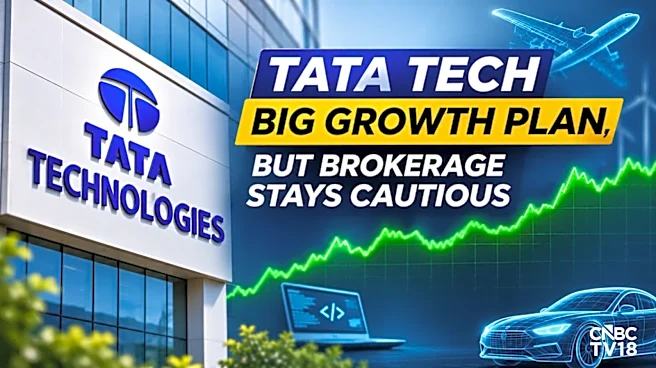
Tata Technologies remains confident of ending the calendar year on a strong note, with its services business continuing to grow, even though seasonal education-related projects could lead to some softness in its technology solutions business in the third quarter (October-December 2026 quarter).
"The services business has continued to grow quarter on quarter for the last 12 months, and we are very bullish about the prospects of finishing the calendar year very strongly," said Warren Harris, CEO & MD of Tata Technologies.
Speaking from the sidelines of the company's Investor Day, Harris said while the company remains focused on organic growth, it is also exploring acquisitions to strengthen its end-to-end engineering capabilities, particularly in the aerospace and automotive sectors.
"We're looking at accelerating our progress in areas where we feel we have gaps," he said. "We're also looking at market access and specifically blue-chip customer access."
The company is primarily evaluating acquisition targets with annual revenue ranging from $30 million to $60-70 million, although it remains open to larger deals if they offer a strategic opportunity to accelerate growth.
It has also set a long-term target of$1.1-$1.3 billion in revenue by 2029-30 (FY30), with almost all of the growth expected to come organically.
"We outlined today a range from $1.1 to $1.3 billion, and almost all of that is organic," Harris said, adding that the company's order book and deal pipeline support confidence in achieving the target.
The company has maintained its guidance of a 17% earnings before interest, taxes, depreciation, and amortisation (EBITDA) margin exit rate for the current financial year 2026-27 (FY27) and expects to improve margins by 100 basis points every year to reach 20% by 2029-30.
Harris said investments made over the past 18 months in artificial intelligence and capacity are beginning to deliver results.
"AI is already fundamentally changing the economic model of the company," he said, adding that AI is improving customer delivery while helping streamline internal operations and reduce overhead costs.
On foreign exchange, Harris said Tata Technologies has a natural hedge because costs are largely aligned with the geographies where it generates revenue. The company also uses hedging strategies to manage currency volatility.
For the full interview, watch the accompanying video
Catch all the latest updates from the stock market here
"The services business has continued to grow quarter on quarter for the last 12 months, and we are very bullish about the prospects of finishing the calendar year very strongly," said Warren Harris, CEO & MD of Tata Technologies.
Speaking from the sidelines of the company's Investor Day, Harris said while the company remains focused on organic growth, it is also exploring acquisitions to strengthen its end-to-end engineering capabilities, particularly in the aerospace and automotive sectors.
"We're looking at accelerating our progress in areas where we feel we have gaps," he said. "We're also looking at market access and specifically blue-chip customer access."
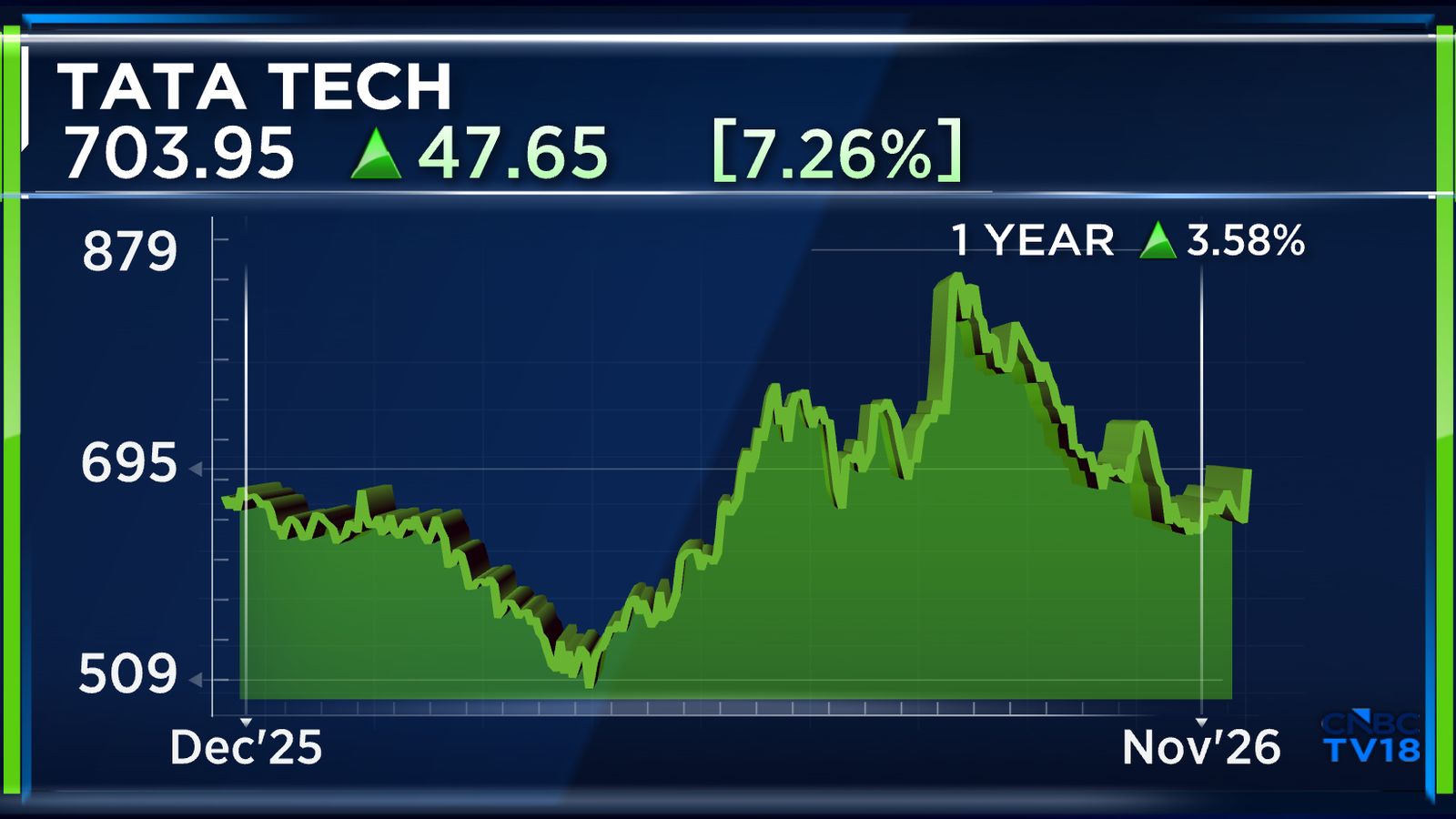
Tata Technologies currently has a market capitalisation of ₹28,584.02 crore, while its shares have gained more than 3% over the past year.
The company is primarily evaluating acquisition targets with annual revenue ranging from $30 million to $60-70 million, although it remains open to larger deals if they offer a strategic opportunity to accelerate growth.
It has also set a long-term target of$1.1-$1.3 billion in revenue by 2029-30 (FY30), with almost all of the growth expected to come organically.
"We outlined today a range from $1.1 to $1.3 billion, and almost all of that is organic," Harris said, adding that the company's order book and deal pipeline support confidence in achieving the target.
The company has maintained its guidance of a 17% earnings before interest, taxes, depreciation, and amortisation (EBITDA) margin exit rate for the current financial year 2026-27 (FY27) and expects to improve margins by 100 basis points every year to reach 20% by 2029-30.
Harris said investments made over the past 18 months in artificial intelligence and capacity are beginning to deliver results.
"AI is already fundamentally changing the economic model of the company," he said, adding that AI is improving customer delivery while helping streamline internal operations and reduce overhead costs.
On foreign exchange, Harris said Tata Technologies has a natural hedge because costs are largely aligned with the geographies where it generates revenue. The company also uses hedging strategies to manage currency volatility.
For the full interview, watch the accompanying video
Catch all the latest updates from the stock market here