



What is the story about?
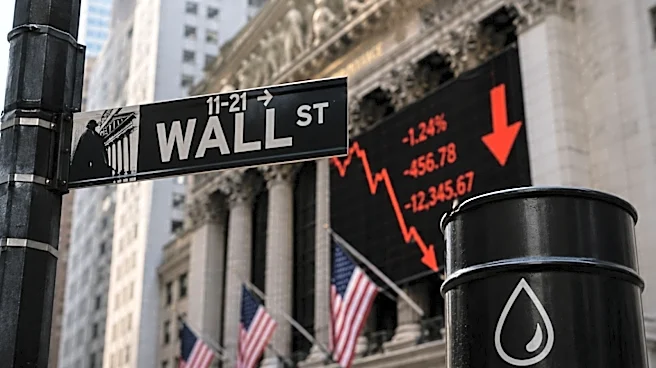
Asian stocks opened lower on Tuesday November 3, as a deepening selloff in US chipmakers outweighed a sharp fall in oil prices.
The MSCI Asia Pacific gauge slipped 0.5%, while South Korea's Kospi dragged the region with a drop of more than 3.34%. Taiwan's TAIEX lost 1.21%. Japanese markets stayed shut for Culture Day, but Hang Seng futures rose 0.7%.
In India, GIFT Nifty pointed to a positive start for the benchmark ahead of the weekly options expiry. Finance Minister Nirmala Sitharaman gave the market another lifts by repeating that she will weigh all views on equity taxation in the upcoming budget.
Traders will watch whether the market gives up the 100-odd points it gained in Monday's Closing Auction Session before it tries to climb again. The Nifty now faces key resistance at 23,500, with support between 23,250 and 23,200.
Investors also seem to turn their attention to Chinese stocks after the country's central bank said it will urge financial institutions to make wider use of stock-support tools and refine their terms, as authorities try to steady the market.
The Japanese yen held near 157.92 per dollar and the offshore yuan near 6.6468.
Technology shares set the tone as a gauge of US chipmakers extended its three-day rout to 12%, and the Nasdaq 100 fell 10% from its peak, which put it in a technical correction.
Apple's shares dropped in late US trading after its first quarterly report under Chief Executive Officer John Ternus. The company offered a mixed outlook, with narrower profit margins overshadowing an upbeat sales forecast.
Anthropic, meanwhile, reported a twelve-fold jump in quarterly revenue and said it plans to spend more than $895 billion in the coming years.
The US midterm elections, also add another layer of caution. A Ned Davis Research study found the S&P 500 has gained an average of 14% in the year after midterms since 1930, but only 8.8% when the president's party lost the House.
Also Read: US midterms 2026: How Trump's Congress battle could affect Wall Street, oil prices and the dollar
Mark LoPresti, CEO and chief market strategist at Market Rebellion, told NewsNation that markets generally do well after midterms because investors dislike uncertainty.
Traders also await US job openings data on Tuesday, jobless claims on Thursday and Friday's payrolls report, where economists cited by Bloomberg expect October job growth to more than double to 65,000, with unemployment steady at 4.2%.
Oil offered the main relief after crude fell more than 7% overnight, its biggest drop in three months, on hopes of diplomatic progress towards ending the war in Iran. Iranian President Masoud Pezeshkian said the supreme leader had given his government more authority to pursue peace talks.
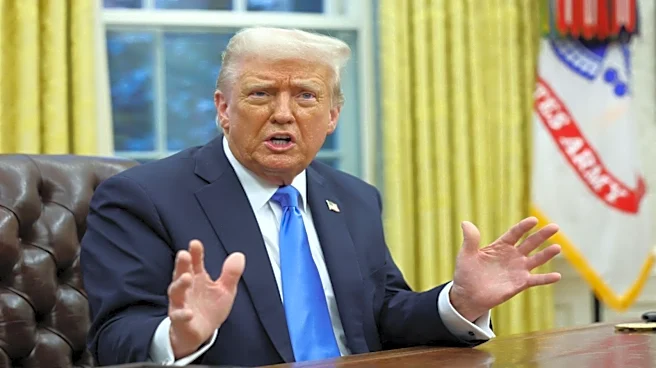
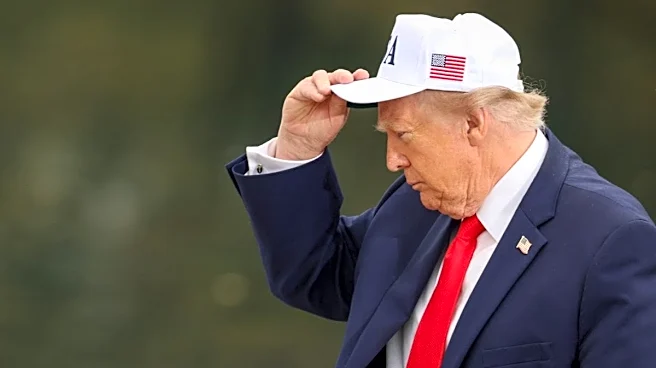
US President Donald Trump said, "They want to make a deal, and that could happen," and added that prices fell because "it looks like that's coming together very nicely."
With Agency Inputs