/images/ppid_59c68470-image-177886006091081177.webp)


/images/ppid_a911dc6a-image-177881342976732847.webp)
What is the story about?
The recent increase in fuel and milk prices is expected to push up retail inflation by 0.42% in the coming months, economists said on Friday, warning of wider second-round impacts through transportation, logistics and food costs.
A few economists said that fuel price alone can lift the retail inflation by 0.15-0.25%, and milk price increase may lift inflation by another 0.26%.
Radhika Rao, senior economist and executive director at DBS Bank said given the weightage of petrol and diesel in the CPI basket, a 3-5% increase likely adds 0.15-0.25% to the headline inflation, besides second round impact.
In a note, economists at SBI said the immediate impact on CPI inflation is likely around 15-20 bps in May-June 2026.
”We revise our FY27 forecast to 4.7%. There is no direct impact of this hike on the fiscal situation,” the note added.
Further, Megha Arora, director at India Ratings and Research said combined effect of petrol, diesel and milk price is likely to increase the CPI inflation by around 0.42%.
”The actual impact is likely to be higher via the fuel user industry like transportation and others. However, the impact in the month of May 2026 could be around 0.20 per cent,” Arora added.
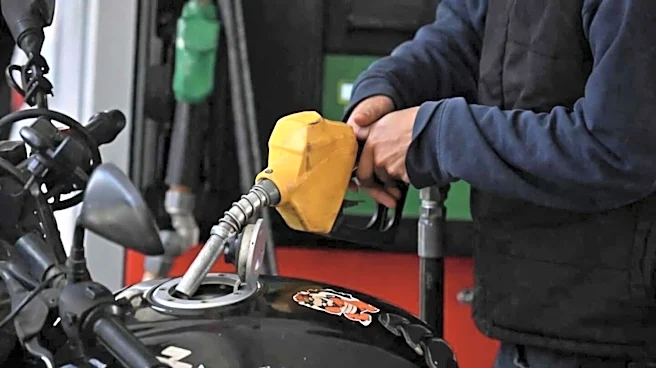
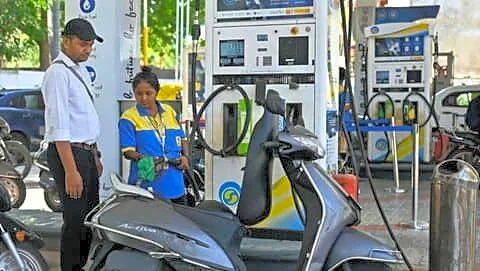
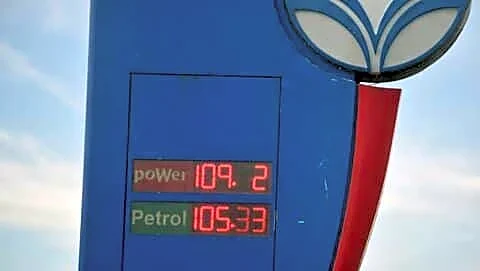
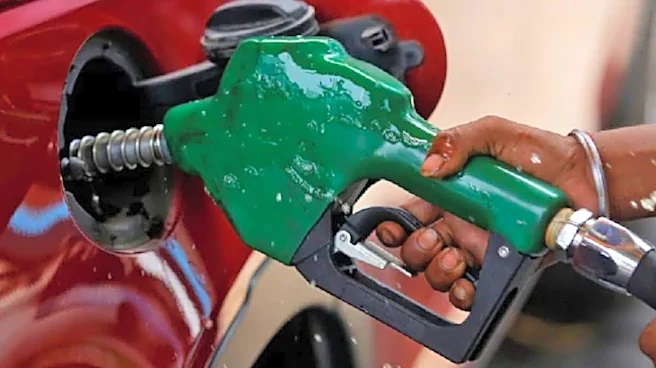
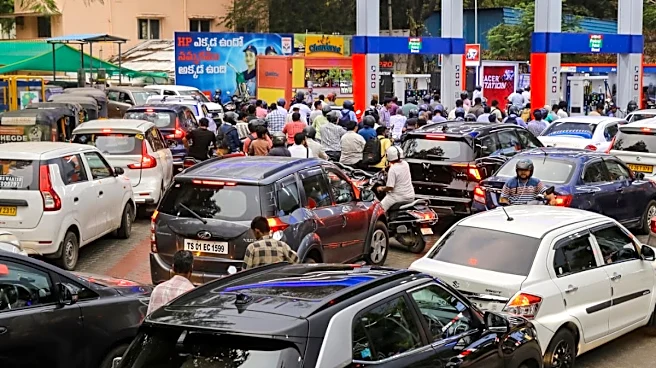
On Friday, petrol and diesel prices were increased on Friday by ₹3 per litre after state-owned oil firms ended a four-year record hiatus in rate revision. Petrol price was hiked to ₹97.77 per litre from ₹94.77 in the national capital. Diesel now costs ₹90.67 as against ₹89.67 per litre previously, according to industry sources.
The increase is 1/10 of the desired hike needed to account for the surge in global energy prices since the start of the West Asia conflict.
Prior to this, Amul and Mother Dairy – India’s largest dairy product retailers – hiked milk prices by ₹2 per litre, intensifying inflationary pressures already fuelled by the war and squeezing household budgets. The increase, the second by the two dairy cooperatives in 13 months, is expected to prompt similar hikes by regional dairy companies.
Economists also cautioned about indirect inflationary pressures building up through higher freight charges, cab and auto fares, logistics expenses and agricultural input costs.
Rajani Sinha, chief economist at CareEdge Ratings said the direct impact of the fuel hike on inflation could be around 0.15%, while indirect effects may add another 0.10-0.15% through higher transportation and food costs.
”With higher pass-through to consumers, we expect CPI inflation to average 4.6-5.0%,” Sinha added.
Sinha also warned that rising wholesale price inflation could trigger second-round effects, wherein higher producer costs gradually feed into retail prices over time. CareEdge Ratings has revised its FY27 wholesale price inflation forecast upward to 7.8%.
Also Read: Power Grid Q4 | Profit beats Street rising 10%, other metrics fall short; declares dividend
A few economists said that fuel price alone can lift the retail inflation by 0.15-0.25%, and milk price increase may lift inflation by another 0.26%.
Radhika Rao, senior economist and executive director at DBS Bank said given the weightage of petrol and diesel in the CPI basket, a 3-5% increase likely adds 0.15-0.25% to the headline inflation, besides second round impact.
In a note, economists at SBI said the immediate impact on CPI inflation is likely around 15-20 bps in May-June 2026.
”We revise our FY27 forecast to 4.7%. There is no direct impact of this hike on the fiscal situation,” the note added.
Further, Megha Arora, director at India Ratings and Research said combined effect of petrol, diesel and milk price is likely to increase the CPI inflation by around 0.42%.
”The actual impact is likely to be higher via the fuel user industry like transportation and others. However, the impact in the month of May 2026 could be around 0.20 per cent,” Arora added.
On Friday, petrol and diesel prices were increased on Friday by ₹3 per litre after state-owned oil firms ended a four-year record hiatus in rate revision. Petrol price was hiked to ₹97.77 per litre from ₹94.77 in the national capital. Diesel now costs ₹90.67 as against ₹89.67 per litre previously, according to industry sources.
The increase is 1/10 of the desired hike needed to account for the surge in global energy prices since the start of the West Asia conflict.
Prior to this, Amul and Mother Dairy – India’s largest dairy product retailers – hiked milk prices by ₹2 per litre, intensifying inflationary pressures already fuelled by the war and squeezing household budgets. The increase, the second by the two dairy cooperatives in 13 months, is expected to prompt similar hikes by regional dairy companies.
Economists also cautioned about indirect inflationary pressures building up through higher freight charges, cab and auto fares, logistics expenses and agricultural input costs.
Rajani Sinha, chief economist at CareEdge Ratings said the direct impact of the fuel hike on inflation could be around 0.15%, while indirect effects may add another 0.10-0.15% through higher transportation and food costs.
”With higher pass-through to consumers, we expect CPI inflation to average 4.6-5.0%,” Sinha added.
Sinha also warned that rising wholesale price inflation could trigger second-round effects, wherein higher producer costs gradually feed into retail prices over time. CareEdge Ratings has revised its FY27 wholesale price inflation forecast upward to 7.8%.
Also Read: Power Grid Q4 | Profit beats Street rising 10%, other metrics fall short; declares dividend

/images/imfZ6nBC-image-177882533547132322.webp)


/images/ppid_59c68470-image-177868507337481294.webp)