/images/ppid_59c68470-image-178835502393169614.webp)




What is the story about?
Uber Technologies is cutting around 3,300 jobs globally as Chief Executive Dara Khosrowshahi seeks to strip out management layers and redirect resources towards the ride-hailing company's biggest growth opportunities, including autonomous vehicles.
The cuts amount to roughly 10% of Uber's workforce and will reduce its global headcount to just under 30,000, broadly where it stood in 2021, Bloomberg News reported.
Employees whose roles are affected have already been notified, except in countries where local procedures must first be followed, Khosrowshahi said in an email to staff.
The restructuring comes despite strong business performance. Khosrowshahi said Uber's revenue has nearly tripled over the past five years, but the expansion has also left the company with more management layers, fragmented responsibilities and teams that spend too much time coordinating with one another.
"A leaner organisation will mean clearer ownership, faster decisions, and more time spent building rather than coordinating," he told employees.
Uber shares gained as much as 1.7% in premarket trading after news of the restructuring emerged, Bloomberg reported.
Fewer managers and 'micro-teams'
A major part of the overhaul is aimed at flattening Uber's organisational structure.
The company has reduced the number of employees sitting seven or more layers below the CEO by 20% and cut the number of "micro-teams" — groups with only one or two direct reports — by nearly half.
Some managers will move into individual-contributor roles, while employees outside management will also lose jobs. Uber hasn't disclosed how many managers are leaving.
The company is also combining teams where it believes separate operations have created unnecessary duplication.
Uber's three delivery-operations teams covering restaurants, retail and its white-label Direct business will be combined at the global, regional and country levels. In technology, its Core Services Engineering and Science teams will also be brought together.
The goal, Khosrowshahi said, is to spend less time "aligning" across teams and more time building products and serving customers.
Also Read: Uber caps usage of AI tools like Claude code to cut costs
Remote work also gets harder
Uber is simultaneously narrowing its remote-work policy as it concentrates employees in a smaller number of offices.
Only about 1% of employees are expected to work remotely in the future. Most existing remote workers are being asked to move to an office, while Uber will continue requiring hybrid employees to work from the office three days a week.
Global teams will be concentrated primarily in New York and San Francisco, while regional, local and technology teams will be grouped into designated hubs.
Uber said it will also try to locate managers and their teams together, particularly for employees earlier in their careers.
Savings to help fund Uber's next bets
The restructuring is intended not just to reduce costs but to free up money for areas where Uber sees greater growth potential.
Khosrowshahi said the savings would be reinvested in growth, innovation and capabilities the company expects to need in coming years, including investments in drivers, couriers and merchants.
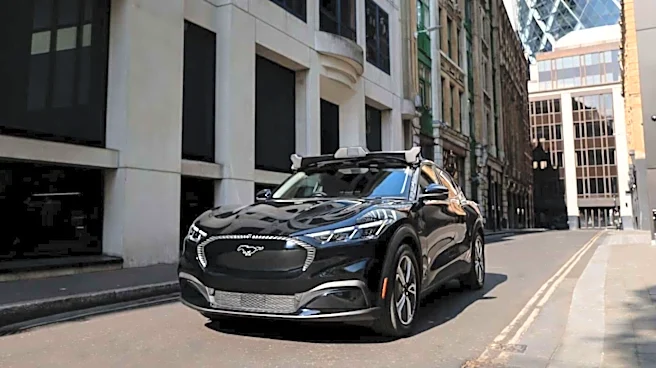
One of the biggest bets is autonomous driving.
Uber plans to invest more than $10 billion in autonomous-vehicle partnerships over the coming years as it seeks to become a leading platform through which consumers book robotaxis.
The company has also reshuffled its investments over the past year, reducing stakes in some businesses while investing in autonomous-driving and electric-vehicle companies including Avride, Lucid Group, Nuro and Rivian Automotive, according to Bloomberg.
The latest restructuring follows smaller job cuts in Uber's customer-service and human-resources operations earlier this year. The company said in May that it planned to slow hiring.
Khosrowshahi didn't specifically cite artificial intelligence as a reason for the latest cuts. Instead, he framed the overhaul as an attempt to undo organisational complexity accumulated during years of rapid growth and free up resources for Uber's next phase.
The cuts amount to roughly 10% of Uber's workforce and will reduce its global headcount to just under 30,000, broadly where it stood in 2021, Bloomberg News reported.
Employees whose roles are affected have already been notified, except in countries where local procedures must first be followed, Khosrowshahi said in an email to staff.
The restructuring comes despite strong business performance. Khosrowshahi said Uber's revenue has nearly tripled over the past five years, but the expansion has also left the company with more management layers, fragmented responsibilities and teams that spend too much time coordinating with one another.
"A leaner organisation will mean clearer ownership, faster decisions, and more time spent building rather than coordinating," he told employees.
Uber shares gained as much as 1.7% in premarket trading after news of the restructuring emerged, Bloomberg reported.
Fewer managers and 'micro-teams'
A major part of the overhaul is aimed at flattening Uber's organisational structure.
The company has reduced the number of employees sitting seven or more layers below the CEO by 20% and cut the number of "micro-teams" — groups with only one or two direct reports — by nearly half.
Some managers will move into individual-contributor roles, while employees outside management will also lose jobs. Uber hasn't disclosed how many managers are leaving.
The company is also combining teams where it believes separate operations have created unnecessary duplication.
Uber's three delivery-operations teams covering restaurants, retail and its white-label Direct business will be combined at the global, regional and country levels. In technology, its Core Services Engineering and Science teams will also be brought together.
The goal, Khosrowshahi said, is to spend less time "aligning" across teams and more time building products and serving customers.
Also Read: Uber caps usage of AI tools like Claude code to cut costs
Remote work also gets harder
Uber is simultaneously narrowing its remote-work policy as it concentrates employees in a smaller number of offices.
Only about 1% of employees are expected to work remotely in the future. Most existing remote workers are being asked to move to an office, while Uber will continue requiring hybrid employees to work from the office three days a week.
Global teams will be concentrated primarily in New York and San Francisco, while regional, local and technology teams will be grouped into designated hubs.
Uber said it will also try to locate managers and their teams together, particularly for employees earlier in their careers.
Savings to help fund Uber's next bets
The restructuring is intended not just to reduce costs but to free up money for areas where Uber sees greater growth potential.
Khosrowshahi said the savings would be reinvested in growth, innovation and capabilities the company expects to need in coming years, including investments in drivers, couriers and merchants.
One of the biggest bets is autonomous driving.
Uber plans to invest more than $10 billion in autonomous-vehicle partnerships over the coming years as it seeks to become a leading platform through which consumers book robotaxis.
The company has also reshuffled its investments over the past year, reducing stakes in some businesses while investing in autonomous-driving and electric-vehicle companies including Avride, Lucid Group, Nuro and Rivian Automotive, according to Bloomberg.
The latest restructuring follows smaller job cuts in Uber's customer-service and human-resources operations earlier this year. The company said in May that it planned to slow hiring.
Khosrowshahi didn't specifically cite artificial intelligence as a reason for the latest cuts. Instead, he framed the overhaul as an attempt to undo organisational complexity accumulated during years of rapid growth and free up resources for Uber's next phase.




/images/ppid_59c68470-image-178841002747224449.webp)

/images/ppid_59c68470-image-178841259442022021.webp)
/images/ppid_59c68470-image-178840002860873323.webp)