



What is the story about?
Airlines operating out of Mumbai have two options as the city’s airport infrastructure undergoes a long-overdue overhaul: shift some operations to the newly opened Navi Mumbai airport or temporarily suspend operations in Mumbai, Arun Bansal, CEO of Adani Airport Holdings, said.
Speaking at Aviation India 2026, Bansal said three international airlines have agreed to shift their operations to Navi Mumbai, while discussions with other international carriers are ongoing.
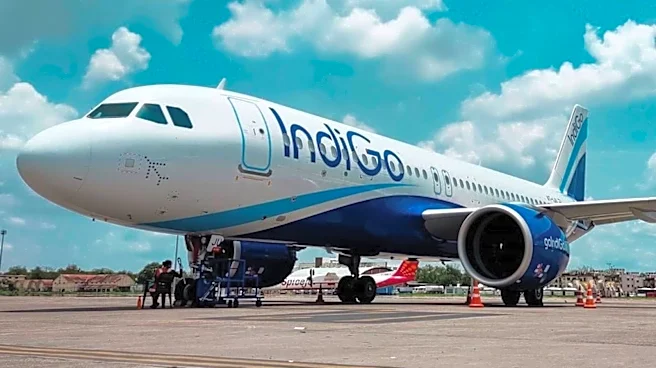
Some airlines will temporarily suspend their Mumbai operations as the redevelopment of the existing Terminal 2 requires operational changes. IndiGo and Air India have voluntarily opted to shift some of their operations, he added.
The suspended slots will be returned to airlines once additional terminal capacity becomes available. Airlines will also have the option to return to Mumbai once the new terminal capacity is ready.
Mumbai’s new Terminal 1 is expected to become operational by 2030. In the interim, additional capacity expansion plans are being accelerated to bridge the gap.
Bansal acknowledged that shifting operations to another airport would be inconvenient for airlines but said the changes were necessary to move ahead with the redevelopment.
“Change initially brings resistance, but eventually comes with acceptance,” he said.
November 5 is the deadline for airlines to finalise their Summer 2027 schedules. Demolition of the existing structure will begin alongside the implementation of the Summer 2027 schedule.
Bansal said the overhaul of Mumbai’s runway and terminal infrastructure was long overdue and that the redevelopment had been delayed because there was no alternative airport to accommodate operations.
“With Navi Mumbai now available, we have to move ahead with the redevelopment,” he said.
Also Read: Air India CEO Tewolde Gebremariam says full transformation could take more than 15-20 years