/images/ppid_59c68470-image-178064256445933944.webp)




What is the story about?
India has unveiled a series of measures aimed at attracting foreign capital and supporting dollar inflows, as policymakers seek to strengthen the country's appeal to global investors amid volatile capital flows and rising global uncertainty.
The government has exempted foreign institutional investors (FIIs) from paying tax on both interest income and capital gains earned from Government securities (G-secs). Previously, foreign investors typically faced a withholding tax of up to 20% on interest income from bond investments and long-term capital gains of 12.5%.
Alongside the tax relief, the Reserve Bank of India (RBI) has expanded the range of Government securities available under the Fully Accessible Route (FAR), a framework that allows eligible foreign investors to buy specified government bonds without investment limits.
The RBI has also removed certain investment restrictions for foreign portfolio investors (FPIs), increased investment limits for non-resident investors in equities and announced measures to encourage overseas borrowing and foreign currency deposits.
Many of these steps address issues that market participants had been raising for months. Investors had argued that India's tax framework and investment restrictions reduced the attractiveness of Indian debt compared with other markets competing for global capital.
The government has issued an ordinance amending the Income-tax Act to exempt foreign institutional investors from paying tax on both interest income and capital gains arising from Government securities.
The exemption takes effect from April 1, 2026 and applies to eligible foreign investors investing in G-secs.
The RBI has complemented this move by expanding the universe of securities eligible under the Fully Accessible Route. All new issuances of 15-year, 30-year and 40-year G-secs will now be available under FAR, allowing eligible foreign investors to invest without quantitative limits.
The central bank has also removed short-term investment limits and concentration norms applicable to foreign portfolio investors investing through the General Route
Withholding tax is a tax deducted from an income payment before the recipient receives it. For foreign investors in bonds, it is typically deducted from interest income earned on those investments. A higher withholding tax reduces the post-tax return that investors receive, making one market less attractive than another offering similar yields.
“I think there's need of that, because there has been significant outflow on capital account by way of equity, and even FDI selling. So, we need to be competitive vis-à-vis other countries that are attracting foreign capital,” said Nirmal Jain, Founder and Managing Director of IIFL Finance.
Jain had also argued that similar benefits should eventually extend to corporate bonds.
The Fully Accessible Route allows eligible non-resident investors to invest in specified G-secs without investment limits.
The route gained prominence after Indian government bonds were included in major global bond indices and has become one of the primary channels through which foreign investors access India's sovereign debt market.
According to a DSP Mutual Fund report released on June 4, India received $4.3 billion of debt inflows in March 2025, the strongest month for FPI debt inflows. Of that, $3.3 billion came through the FAR route.
By expanding the list of eligible securities and removing investment restrictions, policymakers are hoping to attract a larger pool of foreign capital into G-secs and support government borrowing.
The RBI has increased investment limits for Non-Resident Indians (NRIs) and Overseas Citizens of India (OCIs) investing in listed equities without Securities and Exchange Board of India (SEBI) registration. It has also proposed extending the same facility to all individual Persons Resident Outside India.
The central bank has restored the period for realisation of export proceeds to nine months.
To encourage dollar inflows, the RBI has introduced a concessional foreign exchange swap facility for 3-5 year external commercial borrowings raised by central public sector enterprises until September 30, 2026. The measure is aimed at reducing overseas borrowing costs.
In addition, RBI will bear the full hedging cost for fresh 3-5 year Foreign Currency Non-Resident Bank (FCNR(B)) deposits raised by banks until September 30, 2026, a step aimed at attracting additional dollar deposits into the banking system.
The measures are expected to improve India's attractiveness to foreign investors and support demand for G-secs.
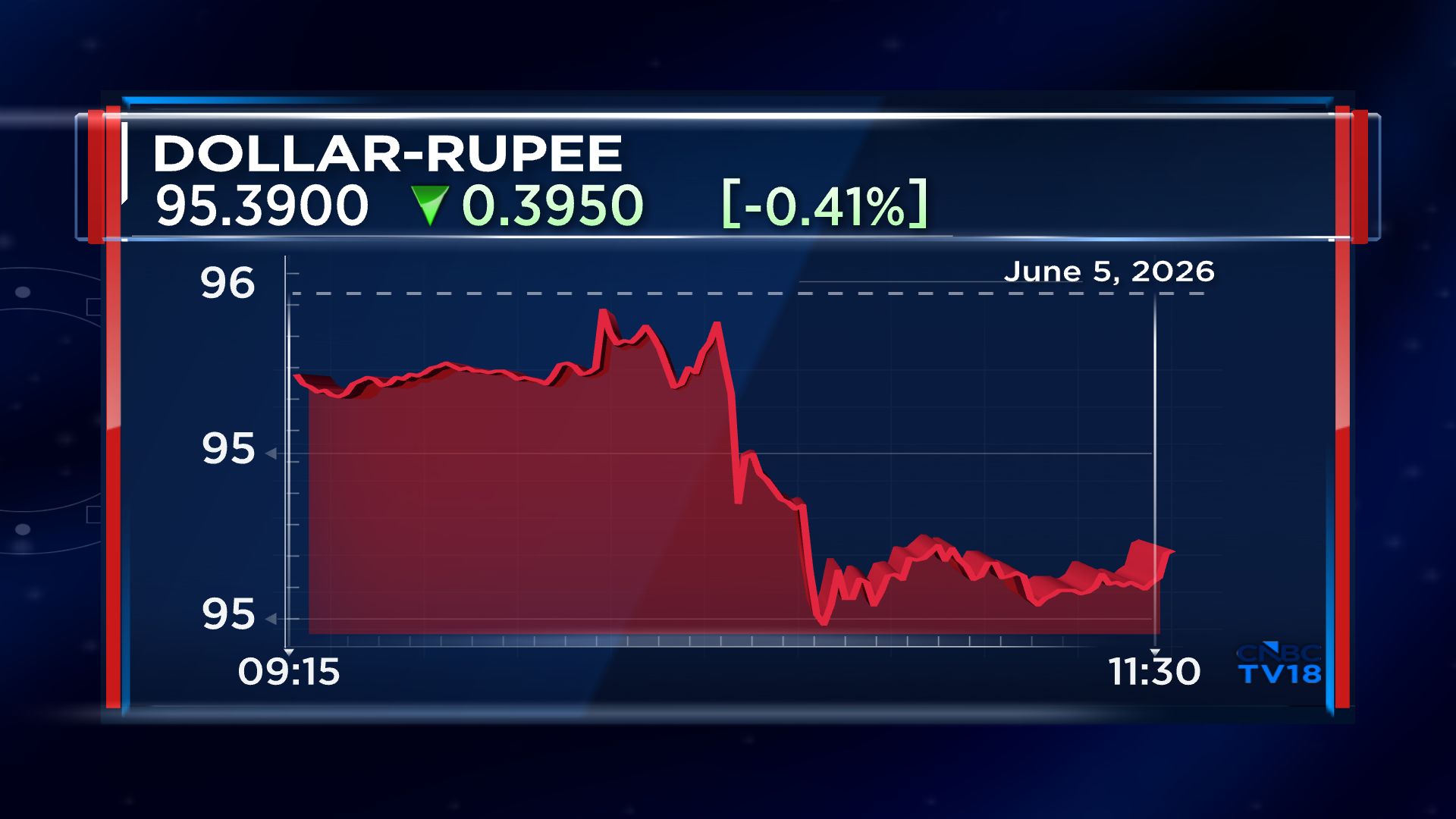
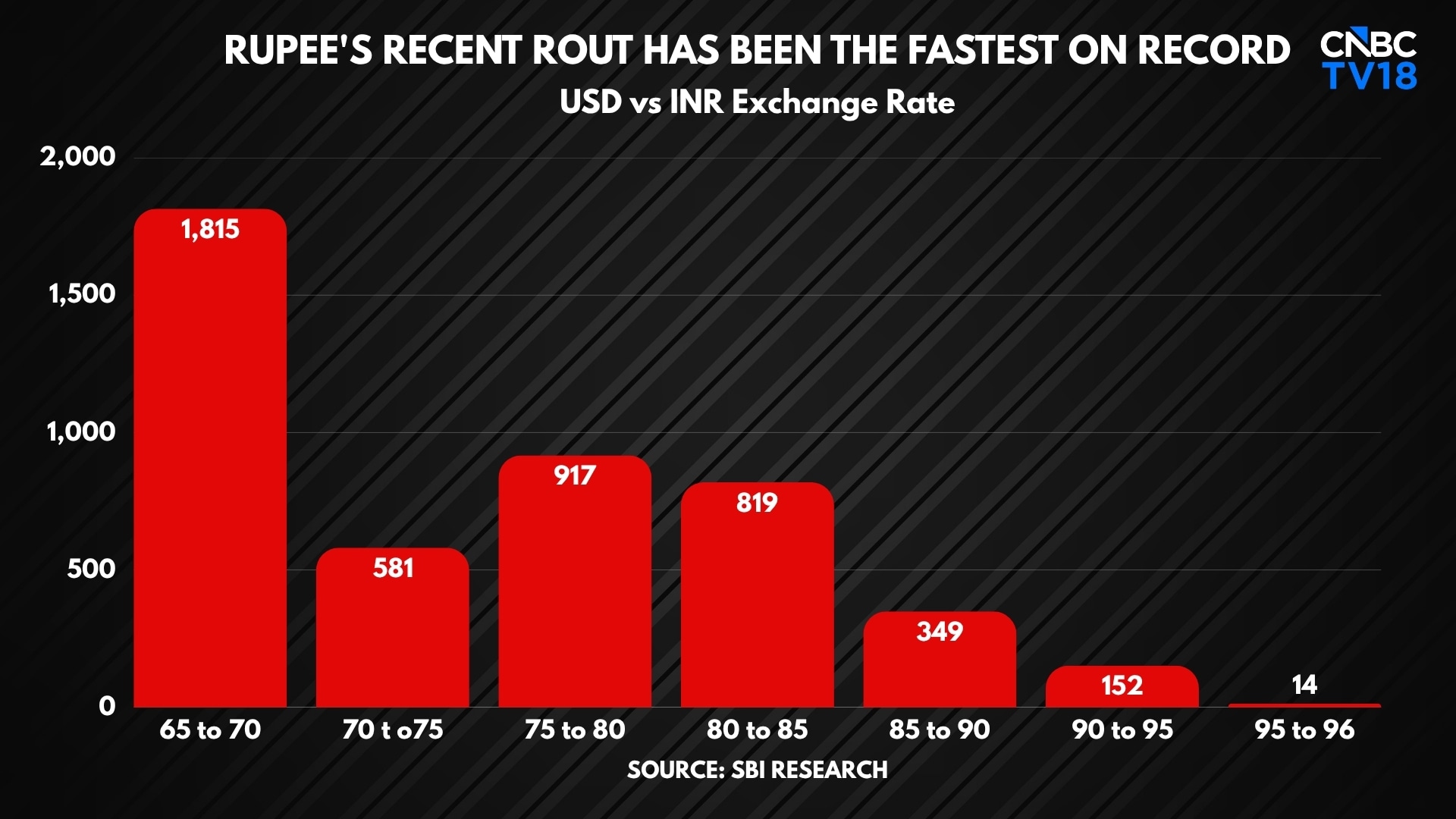
The market reaction was immediate, with the rupee strengthening to as much as 95.2450 against the US dollar after the announcements from around 95.67 before the policy outcome. Dollar-rupee forward premiums also declined as the markets assessed the potential impact of the measures on future capital flows.
However, capital flows are also influenced by global factors such as interest rates, oil prices, geopolitical developments and investor risk appetite.
While the latest steps may not reverse foreign outflows on their own, they represent a broader effort by policymakers to make India a more competitive destination for global capital and attract additional dollar inflows.
The government has exempted foreign institutional investors (FIIs) from paying tax on both interest income and capital gains earned from Government securities (G-secs). Previously, foreign investors typically faced a withholding tax of up to 20% on interest income from bond investments and long-term capital gains of 12.5%.
Alongside the tax relief, the Reserve Bank of India (RBI) has expanded the range of Government securities available under the Fully Accessible Route (FAR), a framework that allows eligible foreign investors to buy specified government bonds without investment limits.
The RBI has also removed certain investment restrictions for foreign portfolio investors (FPIs), increased investment limits for non-resident investors in equities and announced measures to encourage overseas borrowing and foreign currency deposits.
Many of these steps address issues that market participants had been raising for months. Investors had argued that India's tax framework and investment restrictions reduced the attractiveness of Indian debt compared with other markets competing for global capital.
What has changed?
The government has issued an ordinance amending the Income-tax Act to exempt foreign institutional investors from paying tax on both interest income and capital gains arising from Government securities.
The exemption takes effect from April 1, 2026 and applies to eligible foreign investors investing in G-secs.
The RBI has complemented this move by expanding the universe of securities eligible under the Fully Accessible Route. All new issuances of 15-year, 30-year and 40-year G-secs will now be available under FAR, allowing eligible foreign investors to invest without quantitative limits.
The central bank has also removed short-term investment limits and concentration norms applicable to foreign portfolio investors investing through the General Route
Why were markets pushing for lower withholding tax?
Withholding tax is a tax deducted from an income payment before the recipient receives it. For foreign investors in bonds, it is typically deducted from interest income earned on those investments. A higher withholding tax reduces the post-tax return that investors receive, making one market less attractive than another offering similar yields.
“I think there's need of that, because there has been significant outflow on capital account by way of equity, and even FDI selling. So, we need to be competitive vis-à-vis other countries that are attracting foreign capital,” said Nirmal Jain, Founder and Managing Director of IIFL Finance.
Jain had also argued that similar benefits should eventually extend to corporate bonds.
Why is FAR important?
The Fully Accessible Route allows eligible non-resident investors to invest in specified G-secs without investment limits.
The route gained prominence after Indian government bonds were included in major global bond indices and has become one of the primary channels through which foreign investors access India's sovereign debt market.
According to a DSP Mutual Fund report released on June 4, India received $4.3 billion of debt inflows in March 2025, the strongest month for FPI debt inflows. Of that, $3.3 billion came through the FAR route.
By expanding the list of eligible securities and removing investment restrictions, policymakers are hoping to attract a larger pool of foreign capital into G-secs and support government borrowing.
What else has RBI done?
The RBI has increased investment limits for Non-Resident Indians (NRIs) and Overseas Citizens of India (OCIs) investing in listed equities without Securities and Exchange Board of India (SEBI) registration. It has also proposed extending the same facility to all individual Persons Resident Outside India.
The central bank has restored the period for realisation of export proceeds to nine months.
To encourage dollar inflows, the RBI has introduced a concessional foreign exchange swap facility for 3-5 year external commercial borrowings raised by central public sector enterprises until September 30, 2026. The measure is aimed at reducing overseas borrowing costs.
In addition, RBI will bear the full hedging cost for fresh 3-5 year Foreign Currency Non-Resident Bank (FCNR(B)) deposits raised by banks until September 30, 2026, a step aimed at attracting additional dollar deposits into the banking system.
Will these measures be enough?
The measures are expected to improve India's attractiveness to foreign investors and support demand for G-secs.
The market reaction was immediate, with the rupee strengthening to as much as 95.2450 against the US dollar after the announcements from around 95.67 before the policy outcome. Dollar-rupee forward premiums also declined as the markets assessed the potential impact of the measures on future capital flows.
However, capital flows are also influenced by global factors such as interest rates, oil prices, geopolitical developments and investor risk appetite.
While the latest steps may not reverse foreign outflows on their own, they represent a broader effort by policymakers to make India a more competitive destination for global capital and attract additional dollar inflows.





/images/ppid_a911dc6a-image-178064064780139267.webp)

/images/ppid_a911dc6a-image-178064044424647820.webp)
/images/ppid_59c68470-image-178064020106925030.webp)
/images/ppid_59c68470-image-178064004432857805.webp)
/images/ppid_59c68470-image-178064012527877912.webp)
/images/ppid_59c68470-image-178064016294294684.webp)