/images/ppid_59c68470-image-178067003336083704.webp)



/images/ppid_59c68470-image-178057756687972514.webp)
What is the story about?
OPEC crude output fell last month, hitting its lowest level in decades as the US blockade of Iran and disruption in the Persian Gulf continued to curb production.
Output from its 11 current members dropped by 1.22 million barrels a day to 16.33 million a day in May, with Iran accounting for more than half of the decline, according to a Bloomberg survey.
That was the lowest in at least 37 years. The data excludes the United Arab Emirates, which left the Organisation of the Petroleum Exporting Countries last month after six decades.
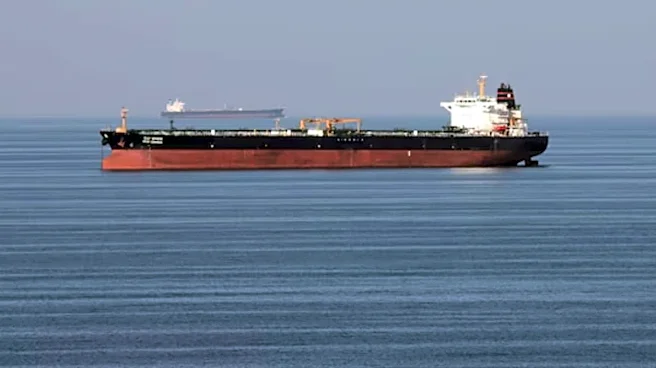
War between a US-Israeli alliance and Iran has taken a heavy toll on oil supplies from the Middle East, largely shuttering the critical Strait of Hormuz waterway and forcing Saudi Arabia, Iraq, the UAE and Kuwait to slash crude production. Iran’s shipments are also under pressure after the US imposed a blockade of its ports in mid-April.
Also Read: Markets are underpricing oil risks, crude could stay near $90 well into 2027: Kpler
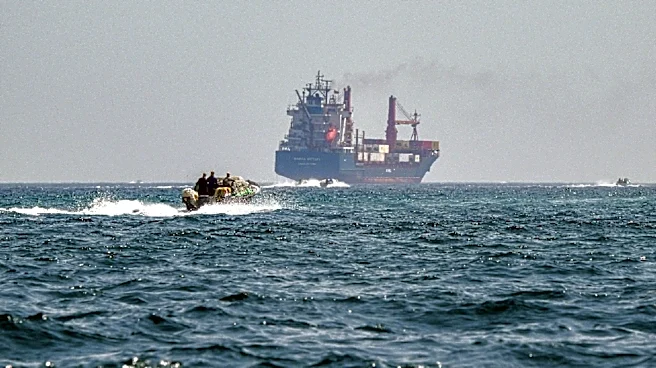
Iran’s output tumbled by 710,000 barrels a day to a five-year low of 2.34 million a day last month, the survey showed. Central Command said US forces have redirected 127 commercial vessels to enforce the blockade of all maritime traffic entering and exiting Iranian ports.
The next-biggest decline last month was in Kuwait, where production fell by 310,000 barrels a day to 490,000 a day — less than a fifth of pre-war levels. After that came group leader Saudi Arabia, down 240,000 barrels a day to 6.57 million a day.
The production shut-ins haven’t stopped OPEC and its allies from symbolically increasing quotas over the past few months, continuing — if only on paper — a year-long process of restoring output halted several years ago.
Also Read: Oil India reports second natural gas discovery in Andaman offshore block
Three OPEC+ delegates say they expect key members to nudge up targets by a modest 188,000 barrels again in July during a video conference on Sunday. The session is one of four online meetings OPEC and its partners are due to hold that day.
Quota Hikes
Delegates have said the alliance has plans for two more monthly quota hikes in August and September, which would theoretically complete the restoration of the second of three tranches of supply cutbacks made in recent years. A third layer is due to remain offline until the end of the year, though officials said this week it could be fast-tracked.
The Iran war gave the UAE an opportunity to leave OPEC at a moment when it would cause the least disruption. Abu Dhabi had long been frustrated that OPEC’s quotas prevented it from deploying new investments in production capacity.
UAE output bucked the general trend of Middle East declines in May, rising by 300,000 barrels a day to 2.44 million a day, according to the survey. Saudi Arabia’s Aramco Trading Co. and the UAE’s state oil company Adnoc are among firms that have managed to move some crude cargoes through the Strait of Hormuz since Iran largely closed the waterway, people familiar with the situation said last month.
Also Read: US Strategic Petroleum Reserve drops to 357 million barrels after fresh withdrawals
Bloomberg’s production survey is based on ship-tracking data, information from officials and estimates from consultants Rapidan Energy Group, FGE NexantECA, Kpler and Rystad Energy.
Output from its 11 current members dropped by 1.22 million barrels a day to 16.33 million a day in May, with Iran accounting for more than half of the decline, according to a Bloomberg survey.
That was the lowest in at least 37 years. The data excludes the United Arab Emirates, which left the Organisation of the Petroleum Exporting Countries last month after six decades.
War between a US-Israeli alliance and Iran has taken a heavy toll on oil supplies from the Middle East, largely shuttering the critical Strait of Hormuz waterway and forcing Saudi Arabia, Iraq, the UAE and Kuwait to slash crude production. Iran’s shipments are also under pressure after the US imposed a blockade of its ports in mid-April.
Also Read: Markets are underpricing oil risks, crude could stay near $90 well into 2027: Kpler
Iran’s output tumbled by 710,000 barrels a day to a five-year low of 2.34 million a day last month, the survey showed. Central Command said US forces have redirected 127 commercial vessels to enforce the blockade of all maritime traffic entering and exiting Iranian ports.
The next-biggest decline last month was in Kuwait, where production fell by 310,000 barrels a day to 490,000 a day — less than a fifth of pre-war levels. After that came group leader Saudi Arabia, down 240,000 barrels a day to 6.57 million a day.
The production shut-ins haven’t stopped OPEC and its allies from symbolically increasing quotas over the past few months, continuing — if only on paper — a year-long process of restoring output halted several years ago.
Also Read: Oil India reports second natural gas discovery in Andaman offshore block
Three OPEC+ delegates say they expect key members to nudge up targets by a modest 188,000 barrels again in July during a video conference on Sunday. The session is one of four online meetings OPEC and its partners are due to hold that day.
Quota Hikes
Delegates have said the alliance has plans for two more monthly quota hikes in August and September, which would theoretically complete the restoration of the second of three tranches of supply cutbacks made in recent years. A third layer is due to remain offline until the end of the year, though officials said this week it could be fast-tracked.
The Iran war gave the UAE an opportunity to leave OPEC at a moment when it would cause the least disruption. Abu Dhabi had long been frustrated that OPEC’s quotas prevented it from deploying new investments in production capacity.
UAE output bucked the general trend of Middle East declines in May, rising by 300,000 barrels a day to 2.44 million a day, according to the survey. Saudi Arabia’s Aramco Trading Co. and the UAE’s state oil company Adnoc are among firms that have managed to move some crude cargoes through the Strait of Hormuz since Iran largely closed the waterway, people familiar with the situation said last month.
Also Read: US Strategic Petroleum Reserve drops to 357 million barrels after fresh withdrawals
Bloomberg’s production survey is based on ship-tracking data, information from officials and estimates from consultants Rapidan Energy Group, FGE NexantECA, Kpler and Rystad Energy.


/images/ppid_59c68470-image-178084007032059614.webp)