/images/ppid_59c68470-image-177483506349962954.webp)

/images/ppid_59c68470-image-177485253581597805.webp)
/images/ppid_59c68470-image-177485003523016713.webp)
/images/ppid_a911dc6a-image-177476522810460313.webp)
What is the story about?
Asian stocks sold off and crude prices climbed as tensions intensified in West Asia, with the Iran-backed Houthi rebels entering the conflict over the weekend and an expanded US military presence pointing at concerns of a prolonged confrontation.
Shares in Japan and South Korea declined up to 5.3% and the broader MSCI Asia Pacific Index was down 2%, as increasing crude prices stoked concerns of inflation and threatened to slow down economic growth.
US equity-index futures retreated about 0.5%, while contracts for Europe tumbled 1.2%.
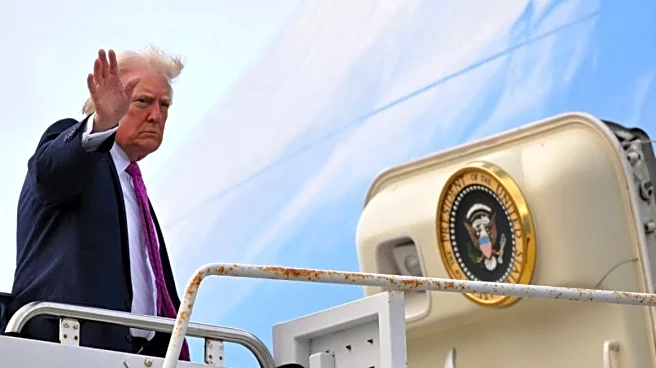
Some of the losses were pared after President Donald Trump said the US had good negotiations with Iran and the Islamic Republic gave permission for 20 oil vessels to pass through the Strait of Hormuz. Trump said he does see a deal with Iran and that could be soon.
Brent crude advanced 2.7% to trade above $115 a barrel. The dollar gave up most of its gains after Trump spoke on Air Force One. Aluminum climbed around 6% after Iran attacked two production sites in the Middle East.
Israel struck Tehran anew Sunday and Saudi Arabia intercepted almost a dozen drones, a day after Yemen-based Houthi militants entered the war. Trump is weighing a military operation to extract nearly 1,000 pounds of uranium from Iran, the Wall Street Journal reported. Trump hasn’t made a decision on whether to give the order. Additional US troops arrived in the Middle East, fanning fears of a risky ground attack on Iran.
After weeks of resilience amid extreme volatility, driven by turmoil in crude oil markets as the Strait of Hormuz remained closed, risk assets have begun to show signs of capitulation in recent sessions. The prospect of persistently higher energy costs is also fueling concerns that policymakers may keep interest rates elevated or even tighten further.
Equity markets are feeling that strain. The 3.6% drop in the S&P 500 over Thursday and Friday was its worst two-day decline in a year, leaving the benchmark 8.8% below its January record. The Nasdaq 100’s two-day, 4.3% slide sent it into a 10% correction.
Heightened worries about inflation have sparked losses in government bonds, sending yields higher and putting Treasuries on track for their worst month since October 2024 as traders reassess expectations for monetary policy. Interest-rate swaps no longer signal any chance of a Federal Reserve rate cut this year, and some investors are now bracing for the possibility of a hike before the year is out.
Also Read: Trade Setup for March 30: Nifty may retest March 23 lows as bear grip remains firm
Shares in Japan and South Korea declined up to 5.3% and the broader MSCI Asia Pacific Index was down 2%, as increasing crude prices stoked concerns of inflation and threatened to slow down economic growth.
US equity-index futures retreated about 0.5%, while contracts for Europe tumbled 1.2%.
Some of the losses were pared after President Donald Trump said the US had good negotiations with Iran and the Islamic Republic gave permission for 20 oil vessels to pass through the Strait of Hormuz. Trump said he does see a deal with Iran and that could be soon.
Brent crude advanced 2.7% to trade above $115 a barrel. The dollar gave up most of its gains after Trump spoke on Air Force One. Aluminum climbed around 6% after Iran attacked two production sites in the Middle East.
Israel struck Tehran anew Sunday and Saudi Arabia intercepted almost a dozen drones, a day after Yemen-based Houthi militants entered the war. Trump is weighing a military operation to extract nearly 1,000 pounds of uranium from Iran, the Wall Street Journal reported. Trump hasn’t made a decision on whether to give the order. Additional US troops arrived in the Middle East, fanning fears of a risky ground attack on Iran.
After weeks of resilience amid extreme volatility, driven by turmoil in crude oil markets as the Strait of Hormuz remained closed, risk assets have begun to show signs of capitulation in recent sessions. The prospect of persistently higher energy costs is also fueling concerns that policymakers may keep interest rates elevated or even tighten further.
Equity markets are feeling that strain. The 3.6% drop in the S&P 500 over Thursday and Friday was its worst two-day decline in a year, leaving the benchmark 8.8% below its January record. The Nasdaq 100’s two-day, 4.3% slide sent it into a 10% correction.
Heightened worries about inflation have sparked losses in government bonds, sending yields higher and putting Treasuries on track for their worst month since October 2024 as traders reassess expectations for monetary policy. Interest-rate swaps no longer signal any chance of a Federal Reserve rate cut this year, and some investors are now bracing for the possibility of a hike before the year is out.
Also Read: Trade Setup for March 30: Nifty may retest March 23 lows as bear grip remains firm
/images/ppid_59c68470-image-177500759767192917.webp)
/images/ppid_59c68470-image-177494752440017825.webp)
/images/ppid_59c68470-image-177493003339986085.webp)
/images/ppid_59c68470-image-17749250400762166.webp)
/images/ppid_59c68470-image-177488004102330643.webp)