/images/ppid_59c68470-image-178904752453844935.webp)

/images/ppid_59c68470-image-178896753822429506.webp)

/images/ppid_59c68470-image-178895755658076851.webp)
What is the story about?
BRICS countries can increase the use of local currencies for bilateral trade, but that is unlikely to dislodge the US dollar from its central role in global finance, according to Martin Wolf, chief economics commentator at the Financial Times.
Speaking to CNBC-TV18 ahead of the BRICS Summit in New Delhi, Wolf said the debate over de-dollarisation needed to distinguish between the currency used to invoice trade and the much larger global financial system through which capital moves across borders.
“I don't think trade invoicing is a core issue,” Wolf said, noting that countries can choose different currencies for trade. The bigger question, he said, is how transactions are ultimately settled and where international capital is invested.
Why the dollar remains so hard to replace
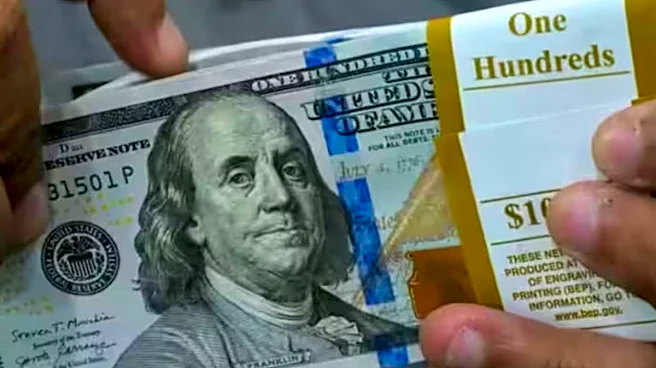
The dollar remains the world's “fundamental financial instrument” because of the size, liquidity and openness of US capital markets, Wolf said.
“The crucial point is that the dollar remains the world's fundamental financial instrument. It is how capital works worldwide,” he said.
US financial markets are large and liquid and allow capital to move freely without exchange controls. That makes the dollar difficult to replace when international investments and other capital transactions are involved.
Wolf also pointed to the confidence and reputation built by the US financial system over decades as another reason the dollar remains the main vehicle currency for international capital transactions.
India and China face an additional hurdle in challenging the dollar because both countries maintain exchange controls, Wolf said.
“As long as India and China have exchange controls, they're trying to protect the domestic currency from full integration in the world, they can't replace the dollar. It's completely impossible,” he said.
Local-currency trade is easier than replacing the dollar
BRICS countries can certainly increase the use of their own currencies for bilateral trade, Wolf said. But that would not fundamentally change the financial system through which international capital transactions take place.
China's large current-account surplus illustrates the problem, he said. China earns more from the rest of the world than it spends and therefore needs to invest its surplus in assets outside the country.
“So I think, yeah, you can certainly do bilateral trade settlement,” Wolf said. “But ultimately the financial system within which all this ultimately is settled, and above all where capital transactions are made—you know, China has a huge current account surplus. It has to invest money in valuable assets around the world. It's really difficult to avoid the dollar.”
In other words, countries may be able to reduce their use of the dollar when buying and selling goods with one another without eliminating the dollar from the financial system in which those earnings are ultimately invested.
BRICS pushes local-currency trade
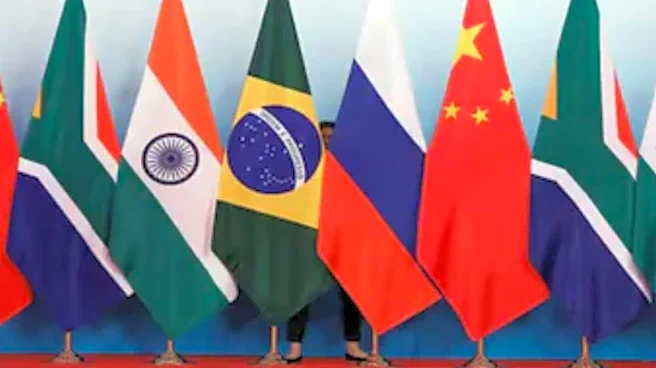
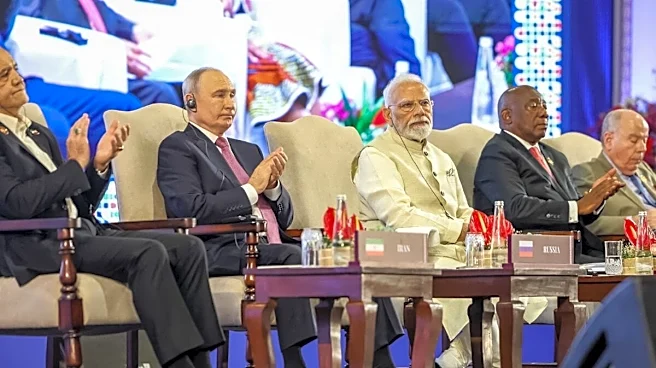
The issue of local-currency trade is expected to feature in discussions at the BRICS Summit, which India will host from September 12.
The grouping has been exploring ways to facilitate trade and financing in local currencies as members seek to reduce their exposure to the dollar amid global trade and tariff uncertainty.
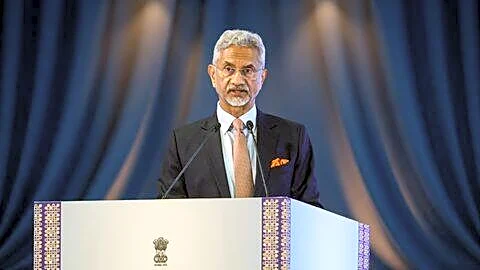
India, however, has maintained a cautious position on de-dollarisation. New Delhi has said replacing the US dollar as the world's reserve currency is not its policy objective. Instead, India has focused on internationalising the rupee and expanding the use of local currencies for trade settlement.
Wolf said the dollar's dominance in international exchange and finance was unlikely to change quickly.
“At the moment, on that crucial question, the G7 currencies are overwhelmingly dominant in international exchange and international finance, and that is not going to change very soon,” he said.
Speaking to CNBC-TV18 ahead of the BRICS Summit in New Delhi, Wolf said the debate over de-dollarisation needed to distinguish between the currency used to invoice trade and the much larger global financial system through which capital moves across borders.
“I don't think trade invoicing is a core issue,” Wolf said, noting that countries can choose different currencies for trade. The bigger question, he said, is how transactions are ultimately settled and where international capital is invested.
Why the dollar remains so hard to replace
The dollar remains the world's “fundamental financial instrument” because of the size, liquidity and openness of US capital markets, Wolf said.
“The crucial point is that the dollar remains the world's fundamental financial instrument. It is how capital works worldwide,” he said.
US financial markets are large and liquid and allow capital to move freely without exchange controls. That makes the dollar difficult to replace when international investments and other capital transactions are involved.
Wolf also pointed to the confidence and reputation built by the US financial system over decades as another reason the dollar remains the main vehicle currency for international capital transactions.
India and China face an additional hurdle in challenging the dollar because both countries maintain exchange controls, Wolf said.
“As long as India and China have exchange controls, they're trying to protect the domestic currency from full integration in the world, they can't replace the dollar. It's completely impossible,” he said.
Local-currency trade is easier than replacing the dollar
BRICS countries can certainly increase the use of their own currencies for bilateral trade, Wolf said. But that would not fundamentally change the financial system through which international capital transactions take place.
China's large current-account surplus illustrates the problem, he said. China earns more from the rest of the world than it spends and therefore needs to invest its surplus in assets outside the country.
“So I think, yeah, you can certainly do bilateral trade settlement,” Wolf said. “But ultimately the financial system within which all this ultimately is settled, and above all where capital transactions are made—you know, China has a huge current account surplus. It has to invest money in valuable assets around the world. It's really difficult to avoid the dollar.”
In other words, countries may be able to reduce their use of the dollar when buying and selling goods with one another without eliminating the dollar from the financial system in which those earnings are ultimately invested.
BRICS pushes local-currency trade
The issue of local-currency trade is expected to feature in discussions at the BRICS Summit, which India will host from September 12.
The grouping has been exploring ways to facilitate trade and financing in local currencies as members seek to reduce their exposure to the dollar amid global trade and tariff uncertainty.
India, however, has maintained a cautious position on de-dollarisation. New Delhi has said replacing the US dollar as the world's reserve currency is not its policy objective. Instead, India has focused on internationalising the rupee and expanding the use of local currencies for trade settlement.
Wolf said the dollar's dominance in international exchange and finance was unlikely to change quickly.
“At the moment, on that crucial question, the G7 currencies are overwhelmingly dominant in international exchange and international finance, and that is not going to change very soon,” he said.
/images/ppid_59c68470-image-178906506710766471.webp)





/images/ppid_59c68470-image-178904759854557297.webp)