/images/ppid_59c68470-image-17784726050307241.webp)

/images/ppid_59c68470-image-17784651129486312.webp)
/images/ppid_59c68470-image-177824502795838713.webp)

What is the story about?
The Indian rupee opened sharply weaker on Monday (May 11), falling 40 paise against the US dollar to 94.88/$ compared with Friday’s (May 8's) close of 94.48/$. The decline came as crude oil prices jumped amid fading hopes of a quick resolution to the escalating US-Iran conflict, reviving concerns over India’s import bill and inflation outlook.
The currency tracked a sharp rise in global crude prices after Brent crude climbed more than 3% to around $104.50 per barrel. Markets reacted after US President Donald Trump described Iran’s response to a US proposal for peace talks as “unacceptable”, signalling that negotiations remain fragile.
Iranian media reports indicated Tehran sought an end to the conflict, removal of sanctions, reparations, and recognition of its control over the Strait of Hormuz — a critical global oil shipping route. Traders said uncertainty over the reopening of the strait continued to keep energy markets volatile.
The spike in oil prices also pushed India’s benchmark 10-year bond yield higher to 7%, compared with the previous close of 6.98%, reflecting concerns that elevated crude prices could worsen inflationary pressures and widen the fiscal burden.
Currency dealers said the rupee has mirrored crude oil movements in recent weeks because of India’s heavy dependence on oil imports. Higher crude prices typically increase dollar demand from oil marketing companies, putting pressure on the domestic currency.
Despite the weak opening, bankers noted that the rupee had shown some resilience over the past few sessions due to unwinding of long dollar positions, especially in offshore markets. However, traders cautioned that market sentiment remains highly sensitive to developments surrounding the US-Iran conflict.
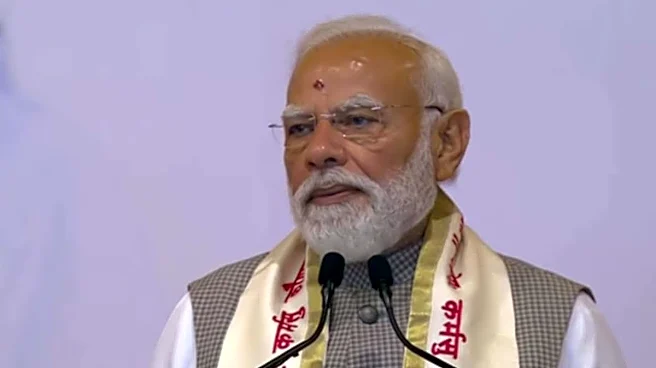
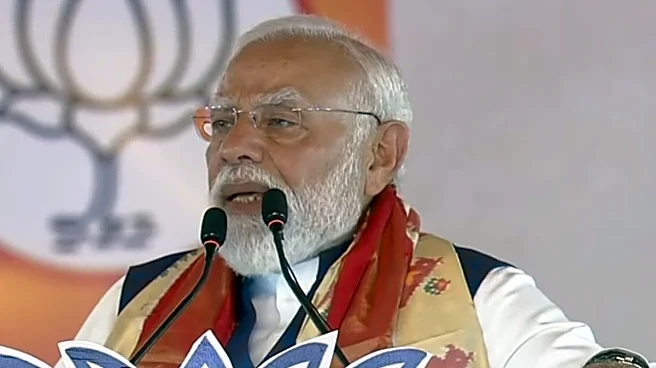
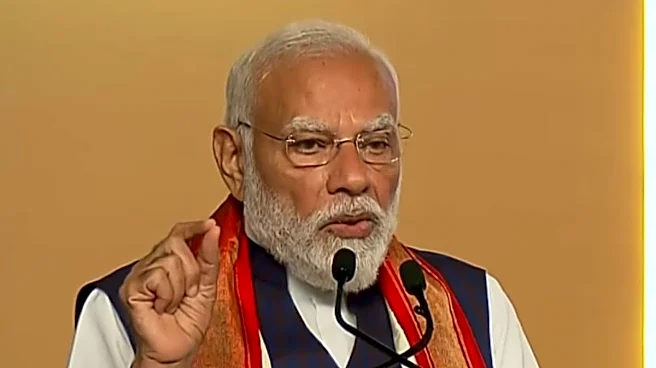
Meanwhile, Prime Minister Narendra Modi on Sunday urged citizens and businesses to conserve fuel and revive work-from-home practices to reduce fuel consumption amid rising energy costs. He said lower petrol and diesel usage would help India save foreign exchange reserves at a time of elevated global oil prices.
Analysts see RBI defending rupee near key levels
Despite persistent weakness, currency analysts largely expect the rupee to avoid a rapid slide toward the psychologically significant 100/$ mark, citing likely intervention by the Reserve Bank of India (RBI).
A recent Reuters poll of currency analysts projected the rupee to trade around current levels near 95/$ over the next year, even as the currency has weakened nearly 5% so far in 2026.
Analysts said aggressive RBI intervention has so far slowed the pace of depreciation, although it has reportedly pushed the central bank’s short dollar forward position beyond $100 billion.
Anil Bhansali, Head of Treasury at Finrex Treasury Advisors, said authorities would likely attempt to delay any move toward the 100/$ level because of its political and economic sensitivity.
However, some economists warned that sustained foreign fund outflows and elevated oil prices could continue to pressure the currency. Apoorva Javadekar, Chief Economist at Muthoot Fincorp, remains among the more bearish voices, projecting the rupee could weaken to 99.50/$ over the next 12 months.
Analysts also pointed to continued foreign portfolio outflows from Indian equities as a key drag on the rupee, with investors pulling billions of dollars from domestic markets this year despite India’s relatively strong macroeconomic growth outlook.
-With Reuters inputs
The currency tracked a sharp rise in global crude prices after Brent crude climbed more than 3% to around $104.50 per barrel. Markets reacted after US President Donald Trump described Iran’s response to a US proposal for peace talks as “unacceptable”, signalling that negotiations remain fragile.
Iranian media reports indicated Tehran sought an end to the conflict, removal of sanctions, reparations, and recognition of its control over the Strait of Hormuz — a critical global oil shipping route. Traders said uncertainty over the reopening of the strait continued to keep energy markets volatile.
The spike in oil prices also pushed India’s benchmark 10-year bond yield higher to 7%, compared with the previous close of 6.98%, reflecting concerns that elevated crude prices could worsen inflationary pressures and widen the fiscal burden.
Currency dealers said the rupee has mirrored crude oil movements in recent weeks because of India’s heavy dependence on oil imports. Higher crude prices typically increase dollar demand from oil marketing companies, putting pressure on the domestic currency.
Despite the weak opening, bankers noted that the rupee had shown some resilience over the past few sessions due to unwinding of long dollar positions, especially in offshore markets. However, traders cautioned that market sentiment remains highly sensitive to developments surrounding the US-Iran conflict.
Meanwhile, Prime Minister Narendra Modi on Sunday urged citizens and businesses to conserve fuel and revive work-from-home practices to reduce fuel consumption amid rising energy costs. He said lower petrol and diesel usage would help India save foreign exchange reserves at a time of elevated global oil prices.
Analysts see RBI defending rupee near key levels
Despite persistent weakness, currency analysts largely expect the rupee to avoid a rapid slide toward the psychologically significant 100/$ mark, citing likely intervention by the Reserve Bank of India (RBI).
A recent Reuters poll of currency analysts projected the rupee to trade around current levels near 95/$ over the next year, even as the currency has weakened nearly 5% so far in 2026.
Analysts said aggressive RBI intervention has so far slowed the pace of depreciation, although it has reportedly pushed the central bank’s short dollar forward position beyond $100 billion.
Anil Bhansali, Head of Treasury at Finrex Treasury Advisors, said authorities would likely attempt to delay any move toward the 100/$ level because of its political and economic sensitivity.
However, some economists warned that sustained foreign fund outflows and elevated oil prices could continue to pressure the currency. Apoorva Javadekar, Chief Economist at Muthoot Fincorp, remains among the more bearish voices, projecting the rupee could weaken to 99.50/$ over the next 12 months.
Analysts also pointed to continued foreign portfolio outflows from Indian equities as a key drag on the rupee, with investors pulling billions of dollars from domestic markets this year despite India’s relatively strong macroeconomic growth outlook.
-With Reuters inputs


/images/ppid_59c68470-image-177847009479888204.webp)

/images/ppid_59c68470-image-177821252549167297.webp)
/images/ppid_59c68470-image-177826007011868385.webp)