/images/ppid_59c68470-image-177987003582354696.webp)

/images/ppid_59c68470-image-177984753516197329.webp)
/images/ppid_59c68470-image-177967756158288680.webp)

What is the story about?
India’s quick commerce market still has enough demand to absorb a significant rise in infrastructure, despite concerns around overcrowding in large cities, according to Navin Killa, Head of APAC Telecommunications, Media & Internet at UBS Investment Bank.
Speaking on the sidelines of UBS’ Asian Investment Conference 2026 in Hong Kong, Killa said the sector still has two clear growth levers — higher spending by existing customers and the addition of new users.
UBS expects another 1,200–1,500 dark stores to be added over the next 12–18 months, potentially taking the total count to nearly 8,000 across India. According to Killa, growth will increasingly come from geographic expansion into smaller cities and broader product assortments.
He pointed out that quick commerce platforms already offer as many as 80,000 SKUs in markets like Delhi-NCR, while smaller towns still have much lower product availability, leaving room for expansion.
On rising competition from deep-pocketed players such as Amazon and Flipkart, Killa said the entry of larger platforms could eventually expand the overall market rather than hurt incumbents immediately. While industry growth rates may appear slower on the surface, the pace of new customer additions and order value creation remains healthy, he noted.
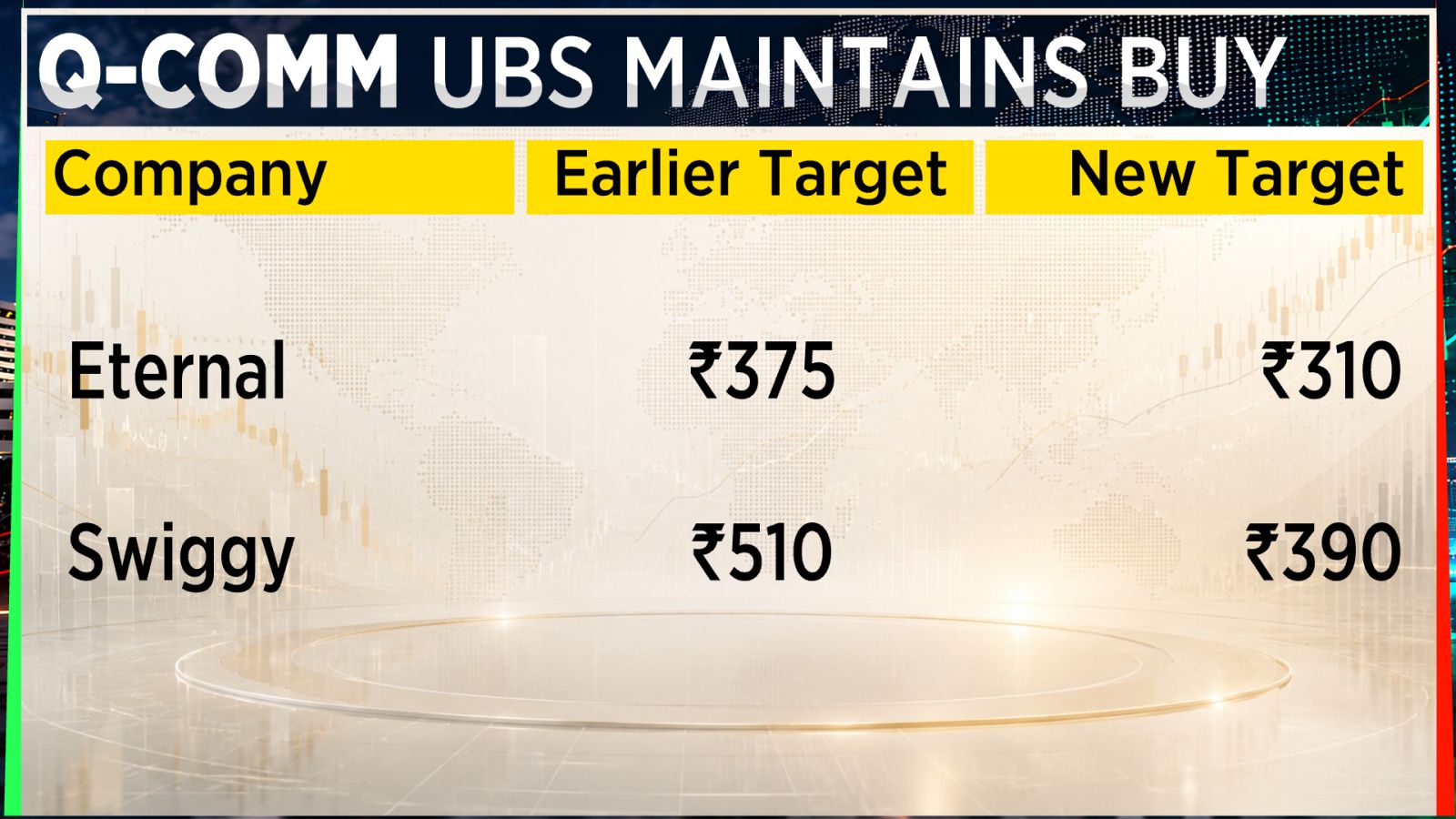
Killa also said quick commerce has not yet reached a stage where only the strongest players will survive. Discounting, he added, remains a customer acquisition tool, particularly for first-time users who may still be hesitant to try the format.
While players like Zepto may be gaining market share through aggressive offers, UBS believes larger listed companies have also continued to post strong customer growth over the last few quarters.
Over time, service quality, wider assortment and higher order values are likely to become bigger differentiators than discounts alone.
For full interview, watch accompanying video
Follow our live blog for more stock market updates
Speaking on the sidelines of UBS’ Asian Investment Conference 2026 in Hong Kong, Killa said the sector still has two clear growth levers — higher spending by existing customers and the addition of new users.
UBS expects another 1,200–1,500 dark stores to be added over the next 12–18 months, potentially taking the total count to nearly 8,000 across India. According to Killa, growth will increasingly come from geographic expansion into smaller cities and broader product assortments.
He pointed out that quick commerce platforms already offer as many as 80,000 SKUs in markets like Delhi-NCR, while smaller towns still have much lower product availability, leaving room for expansion.
On rising competition from deep-pocketed players such as Amazon and Flipkart, Killa said the entry of larger platforms could eventually expand the overall market rather than hurt incumbents immediately. While industry growth rates may appear slower on the surface, the pace of new customer additions and order value creation remains healthy, he noted.
Killa also said quick commerce has not yet reached a stage where only the strongest players will survive. Discounting, he added, remains a customer acquisition tool, particularly for first-time users who may still be hesitant to try the format.
While players like Zepto may be gaining market share through aggressive offers, UBS believes larger listed companies have also continued to post strong customer growth over the last few quarters.
Over time, service quality, wider assortment and higher order values are likely to become bigger differentiators than discounts alone.
For full interview, watch accompanying video
Follow our live blog for more stock market updates
/images/ppid_59c68470-image-177972008591548656.webp)


/images/ppid_59c68470-image-177968502759745957.webp)




/images/ppid_59c68470-image-1779807531620764.webp)