/images/ppid_59c68470-image-176965006277214230.webp)

/images/ppid_59c68470-image-177068768683725044.webp)

What is the story about?
Oil prices increased for the third consecutive day after US President Donald Trump warned Iran of military strikes if it doesn't make a nuclear deal, reviving concerns regarding potential unrest and possible disruption in the Middle East.
West Texas Intermediate increased towards $64 a barrel after it advanced 1.3% in the earlier sessions to end at its highest level since late September last year.
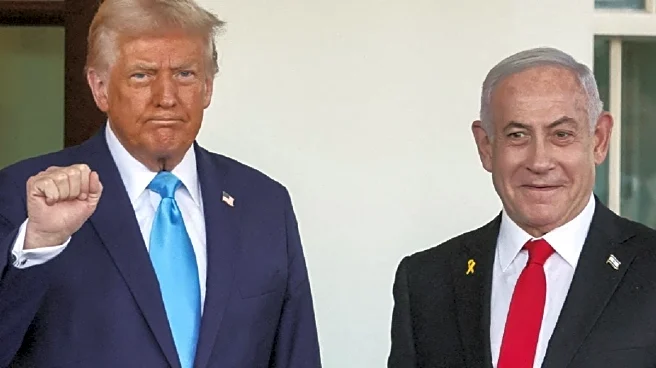
In a social media post, Trump said US ships he ordered to the region were ready to fulfill their mission “with speed and violence, if necessary.”
Trump’s latest threats have injected a risk premium into prices, even as the market faces downward pressure from swelling supply. Traders are paying a premium for bullish call options for the longest stretch in about 14 months to protect against the risk of a new confrontation between the US and Iran.
Options markets have been a key channel for traders wagering on heightened geopolitical risk in the Middle East in recent years. Premiums for calls spiked after the US conducted a military strike on Iran in 2025 but then collapsed after it became apparent oil facilities had been spared.
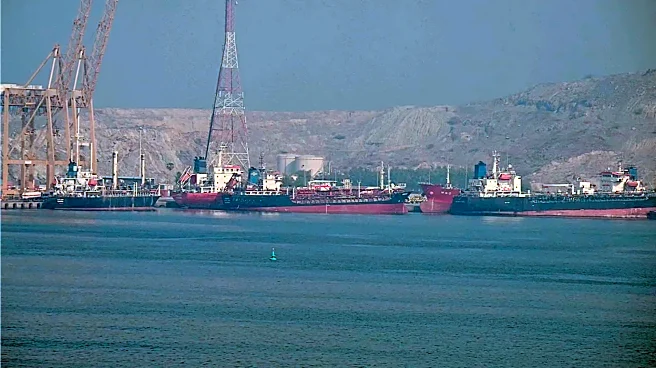
A US strike could imperil crude flows from the Middle East, a region that accounts for about a third of global supply. Iranian retaliation could also extend to disruptions to shipping through the Strait of Hormuz, a narrow passage that separates Iran and the Arabian peninsula. Tankers carrying oil and liquefied natural gas transit through the strait to deliver cargoes worldwide.
With inputs from Bloomberg
Also Read: Trade Setup for January 29: Nifty momentum builds on budget optimism amidst Fed, results
West Texas Intermediate increased towards $64 a barrel after it advanced 1.3% in the earlier sessions to end at its highest level since late September last year.
In a social media post, Trump said US ships he ordered to the region were ready to fulfill their mission “with speed and violence, if necessary.”
Trump’s latest threats have injected a risk premium into prices, even as the market faces downward pressure from swelling supply. Traders are paying a premium for bullish call options for the longest stretch in about 14 months to protect against the risk of a new confrontation between the US and Iran.
Options markets have been a key channel for traders wagering on heightened geopolitical risk in the Middle East in recent years. Premiums for calls spiked after the US conducted a military strike on Iran in 2025 but then collapsed after it became apparent oil facilities had been spared.
A US strike could imperil crude flows from the Middle East, a region that accounts for about a third of global supply. Iranian retaliation could also extend to disruptions to shipping through the Strait of Hormuz, a narrow passage that separates Iran and the Arabian peninsula. Tankers carrying oil and liquefied natural gas transit through the strait to deliver cargoes worldwide.
With inputs from Bloomberg
Also Read: Trade Setup for January 29: Nifty momentum builds on budget optimism amidst Fed, results
/images/ppid_59c68470-image-177077254356197860.webp)
/images/ppid_59c68470-image-177086006108692667.webp)

/images/ppid_59c68470-image-177086009058810821.webp)
/images/ppid_59c68470-image-177068765274285254.webp)
/images/ppid_59c68470-image-177077503590287640.webp)
/images/ppid_59c68470-image-177069012456821934.webp)
/images/ppid_59c68470-image-177060253296527544.webp)