/images/ppid_59c68470-image-178036262157144385.webp)

/images/ppid_59c68470-image-178010753382339130.webp)
What is the story about?
Asian shares eased from all time highs while oil held gains as efforts to revive a deal with Iran showcased little progress.
Benchmark indices in Japan, South Korea and Australia declined, sending the broader MSCI Asia Pacific Index 0.9% down after it ended at an all-time high on Monday.
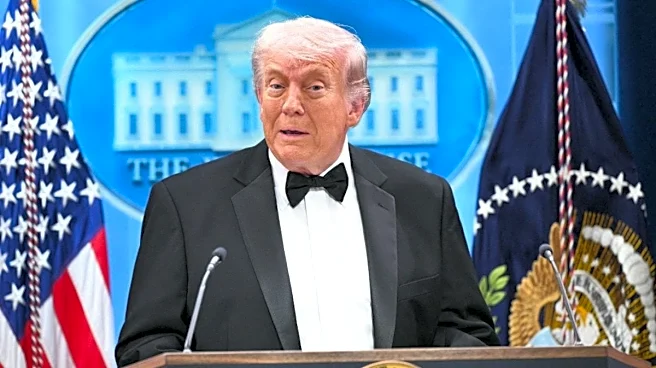
Contracts for the S&P 500 Index fell 0.2% and those for the Nasdaq 100 dropped 0.4% as conflicting signals clouded prospects for a deal. The Wall Street benchmarks both closed at record highs on Monday as President Donald Trump said talks with Iran are continuing at a rapid pace, with the market also rising on enthusiasm for the artificial-intelligence trade.
Weighing on sentiment was a rally in oil prices. Brent traded flat at $95 a barrel after gaining in the previous session on reports that Tehran had suspended talks with Washington in protest over Israel’s attacks in Lebanon. The commodity pared some of those gains after Trump said talks were continuing.
Gold was little changed early Tuesday around $4,485 an ounce, while Treasuries fell in the US session as the impasse in negotiations fueled concerns that higher energy costs will stoke inflation and push the Federal Reserve to raise interest rates.
Even as the AI-driven rally continues to propel equities to record highs, financial markets have been whipsawed by geopolitical headlines after an escalation in Middle East hostilities jeopardized peace negotiations. While investors still see a path to a US-Iran agreement, fragile conditions in the Strait of Hormuz have kept energy prices in focus as a key driver of the near-term outlook for inflation and rates.
Trump and Israeli Prime Minister Benjamin Netanyahu offered differing accounts of a call about the fighting in Lebanon, as the US struggled to get efforts toward an Iran peace deal back on track. The mismatched statements were the latest example of confusing signals on progress to end the war, now in its fourth month.
After a flare-up of violence in Lebanon threatened to derail negotiations to end the war in Iran, Trump said Israel and Hezbollah had agreed to stop fighting. Trump touted a “productive” call with Netanyahu, along with “very good” talks with Hezbollah.
Still, the S&P 500 notched its eighth straight advance, its longest winning streak since May 2025, as signs of the AI boom continued to emerge.
Alphabet Inc. unveiled plans to raise $80 billion through equity offerings, including an investment deal with Berkshire Hathaway Inc., highlighting the scale of spending tied to the race to build AI infrastructure.
In late trading, Hewlett Packard Enterprise Co. shares soared 27% after the company gave an outlook for annual sales that topped estimates, citing massive growth in AI-fueled demand for its servers and networking.
Elsewhere, the dollar strengthened after data showed US manufacturing activity in May expanded at the fastest pace in four years. The Institute for Supply Management’s report also indicated that input costs continued to rise sharply, with its prices-paid gauge hovering near levels last seen in 2022.
Investors are now looking ahead to a fresh round of economic data, culminating in Friday’s May jobs report, for clues on the health of the US economy and the Fed’s policy path under new Chairman Kevin Warsh.
With inputs from Bloomberg
Benchmark indices in Japan, South Korea and Australia declined, sending the broader MSCI Asia Pacific Index 0.9% down after it ended at an all-time high on Monday.
Contracts for the S&P 500 Index fell 0.2% and those for the Nasdaq 100 dropped 0.4% as conflicting signals clouded prospects for a deal. The Wall Street benchmarks both closed at record highs on Monday as President Donald Trump said talks with Iran are continuing at a rapid pace, with the market also rising on enthusiasm for the artificial-intelligence trade.
Weighing on sentiment was a rally in oil prices. Brent traded flat at $95 a barrel after gaining in the previous session on reports that Tehran had suspended talks with Washington in protest over Israel’s attacks in Lebanon. The commodity pared some of those gains after Trump said talks were continuing.
Gold was little changed early Tuesday around $4,485 an ounce, while Treasuries fell in the US session as the impasse in negotiations fueled concerns that higher energy costs will stoke inflation and push the Federal Reserve to raise interest rates.
Even as the AI-driven rally continues to propel equities to record highs, financial markets have been whipsawed by geopolitical headlines after an escalation in Middle East hostilities jeopardized peace negotiations. While investors still see a path to a US-Iran agreement, fragile conditions in the Strait of Hormuz have kept energy prices in focus as a key driver of the near-term outlook for inflation and rates.
Trump and Israeli Prime Minister Benjamin Netanyahu offered differing accounts of a call about the fighting in Lebanon, as the US struggled to get efforts toward an Iran peace deal back on track. The mismatched statements were the latest example of confusing signals on progress to end the war, now in its fourth month.
After a flare-up of violence in Lebanon threatened to derail negotiations to end the war in Iran, Trump said Israel and Hezbollah had agreed to stop fighting. Trump touted a “productive” call with Netanyahu, along with “very good” talks with Hezbollah.
Still, the S&P 500 notched its eighth straight advance, its longest winning streak since May 2025, as signs of the AI boom continued to emerge.
Alphabet Inc. unveiled plans to raise $80 billion through equity offerings, including an investment deal with Berkshire Hathaway Inc., highlighting the scale of spending tied to the race to build AI infrastructure.
In late trading, Hewlett Packard Enterprise Co. shares soared 27% after the company gave an outlook for annual sales that topped estimates, citing massive growth in AI-fueled demand for its servers and networking.
Elsewhere, the dollar strengthened after data showed US manufacturing activity in May expanded at the fastest pace in four years. The Institute for Supply Management’s report also indicated that input costs continued to rise sharply, with its prices-paid gauge hovering near levels last seen in 2022.
Investors are now looking ahead to a fresh round of economic data, culminating in Friday’s May jobs report, for clues on the health of the US economy and the Fed’s policy path under new Chairman Kevin Warsh.
With inputs from Bloomberg


/images/ppid_59c68470-image-178027755834236779.webp)
/images/ppid_59c68470-image-178036258877715081.webp)
/images/ppid_59c68470-image-178028006285538397.webp)
/images/ppid_59c68470-image-178033753061768544.webp)
/images/ppid_59c68470-image-178031503130133945.webp)
/images/ppid_59c68470-image-178027002737863022.webp)