/images/ppid_59c68470-image-178027755834236779.webp)

/images/ppid_59c68470-image-178007503061679380.webp)
/images/ppid_59c68470-image-178002021557599566.webp)
What is the story about?
Asian shares gained, With South Korean equities hitting fresh highs, even as investors monitor lingering uncertainty around the US-Iran deal after US President Donald Trump said he wasn't in a hurry to strike a deal.
South Korea's Kospi index surged 2.4% to hit an all-time high of 8,692.32. Japan's Nikkei 225 index was also up 0.9% at 6.33 am IST.
Brent crude climbed early Monday to trade around $93 a barrel after closing at its lowest since mid-April on Friday. The dollar was slightly stronger against all its Group-of-10 peers. Treasuries edged lower.
US forces sustained minor injuries in an Iranian attack on a Kuwaiti airbase over the weekend and Israel stepped up its offensive against the Tehran-backed Hezbollah in Lebanon. Meantime, Washington and Tehran exchanged messages seeking amendments to a draft agreement that would extend the ceasefire and reopen the Strait of Hormuz, though it remained unclear whether negotiations were making meaningful progress.
The renewed tensions risk interrupting a global stock rally driven by unbounded enthusiasm for sectors touched by the AI trade. Oil prices had also retreated to their April lows, helping fuel a relief rally in global bond markets that had been ravaged by fears of energy-linked inflation.
In other corners of the market, gold fluctuated to trade around $4,540 an ounce, while Bitcoin led cryptocurrencies higher.
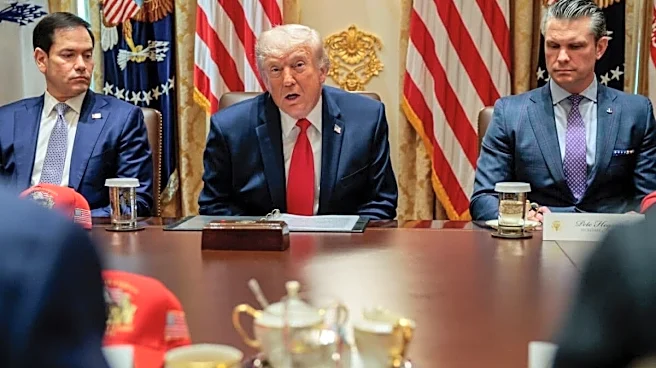
On Friday, US President Donald Trump posted on social media he was ready to make a “final determination” on a preliminary agreement to extend the ceasefire. Hours later, he left the Situation Room meeting without any decision being made, the New York Times reported.
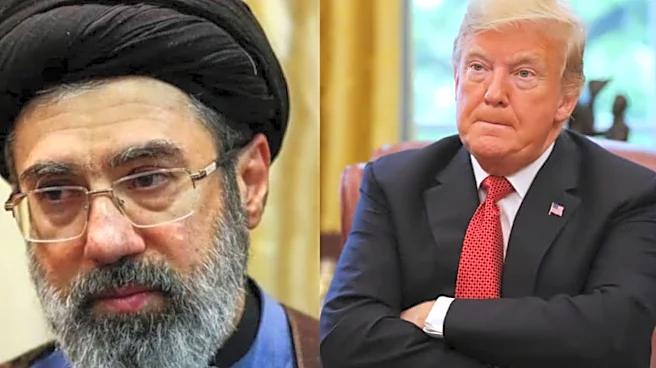
Amendments to the deal continue to be proposed by both sides, though both the US and Iran might ultimately reject the changes and the deal would collapse, the semi-official Tasnim news agency reported Sunday.
Meantime, Israel made its broadest incursion into Lebanon in a quarter-century after Hezbollah stepped up attacks in the country’s north.
Chinese assets will be in focus in early trading after the official gauge of factory activity slowed in May, adding to signs the world’s second biggest economy is faltering from pressures on global demand and input costs from the Iran war.
The official manufacturing purchasing managers’ index fell to 50 from 50.3 in April, the National Bureau of Statistics said Sunday. The non-manufacturing measure of activity in construction and services rose more than forecast to 50.1 from 49.4 last month. A reading below 50 indicates contraction.
With inputs from Bloomberg
South Korea's Kospi index surged 2.4% to hit an all-time high of 8,692.32. Japan's Nikkei 225 index was also up 0.9% at 6.33 am IST.
Brent crude climbed early Monday to trade around $93 a barrel after closing at its lowest since mid-April on Friday. The dollar was slightly stronger against all its Group-of-10 peers. Treasuries edged lower.
US forces sustained minor injuries in an Iranian attack on a Kuwaiti airbase over the weekend and Israel stepped up its offensive against the Tehran-backed Hezbollah in Lebanon. Meantime, Washington and Tehran exchanged messages seeking amendments to a draft agreement that would extend the ceasefire and reopen the Strait of Hormuz, though it remained unclear whether negotiations were making meaningful progress.
The renewed tensions risk interrupting a global stock rally driven by unbounded enthusiasm for sectors touched by the AI trade. Oil prices had also retreated to their April lows, helping fuel a relief rally in global bond markets that had been ravaged by fears of energy-linked inflation.
In other corners of the market, gold fluctuated to trade around $4,540 an ounce, while Bitcoin led cryptocurrencies higher.
On Friday, US President Donald Trump posted on social media he was ready to make a “final determination” on a preliminary agreement to extend the ceasefire. Hours later, he left the Situation Room meeting without any decision being made, the New York Times reported.
Amendments to the deal continue to be proposed by both sides, though both the US and Iran might ultimately reject the changes and the deal would collapse, the semi-official Tasnim news agency reported Sunday.
Meantime, Israel made its broadest incursion into Lebanon in a quarter-century after Hezbollah stepped up attacks in the country’s north.
Chinese assets will be in focus in early trading after the official gauge of factory activity slowed in May, adding to signs the world’s second biggest economy is faltering from pressures on global demand and input costs from the Iran war.
The official manufacturing purchasing managers’ index fell to 50 from 50.3 in April, the National Bureau of Statistics said Sunday. The non-manufacturing measure of activity in construction and services rose more than forecast to 50.1 from 49.4 last month. A reading below 50 indicates contraction.
With inputs from Bloomberg


/images/ppid_59c68470-image-178010753382339130.webp)
/images/ppid_59c68470-image-178027002737863022.webp)

/images/ppid_59c68470-image-178002007699361420.webp)

/images/ppid_59c68470-image-178001752660336548.webp)
/images/ppid_59c68470-image-178002008344473305.webp)