/images/ppid_59c68470-image-178668758284546446.webp)


What is the story about?
The amendment to the Mines and Minerals (Development and Regulation) Bill is a positive development for the cement sector, particularly for The Ramco Cements and Dalmia Bharat, which were hit by higher royalty costs in Tamil Nadu. Rajesh Ravi, Senior VP-Institutional Research at HDFC Securities, said the change removes uncertainty over other mineral-rich states imposing similar levies.
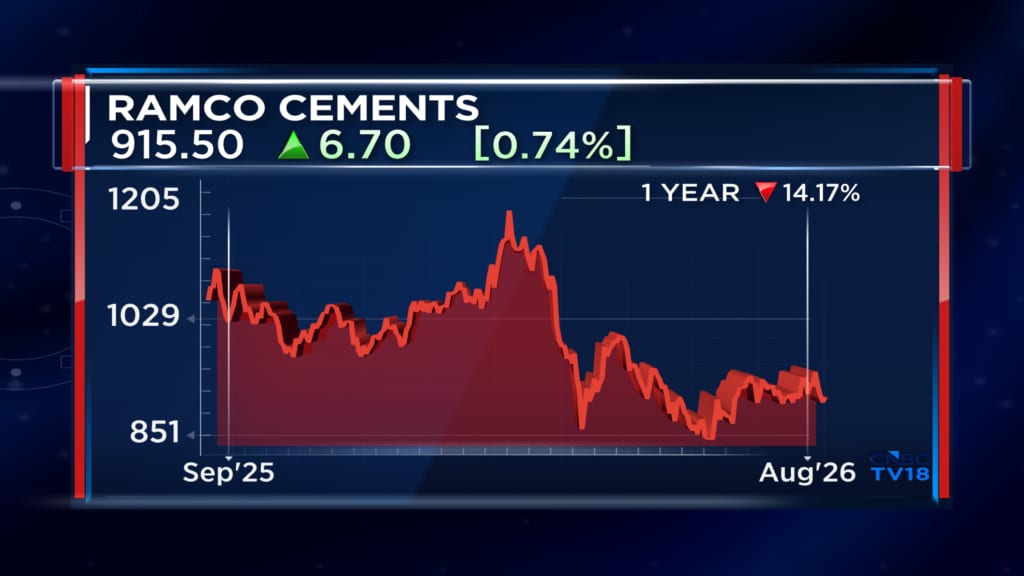
Ramco Cements has been among the worst affected, with the royalty adding around ₹80-100 per tonne to its overall cost, while Dalmia Cement faced an impact of around ₹40 per tonne. Ravi said the amendment is “positive for the sector as a whole” and, in the near term, should increase the competitiveness of Ramco and Dalmia. Ramco could particularly benefit as its margins have fallen to around ₹700-800 per tonne.
The key benefit, according to Ravi, is the removal of uncertainty over whether states such as Chhattisgarh, Madhya Pradesh, Karnataka and Maharashtra could introduce similar royalty measures. “Irrespective of which government is at the Centre, or at the state, such uncertainty goes away,” he said, adding that this gives companies greater visibility on costs.
However, the relief does not change Ravi's negative view on Ramco Cements. HDFC Securities currently has a strong sell rating on the company, citing slower capex, a relatively heavy balance sheet and continued volatility in the southern cement market. These factors have weighed on Ramco's margin profile.
Meanwhile, JSW Cement's entry into north India appears to be progressing better than initially expected. The company reported around 55% utilisation in the April-June quarter of 2026 (Q1FY27) of its north India operations, which Ravi described as commendable given that it is entering a new market.
Ravi said cement companies typically take four to five quarters to reach earnings before interest, taxes, depreciation and amortisation (EBITDA) break-even when entering a new geography. JSW Cement's early utilisation levels therefore suggest that its north India expansion could reach break-even faster, while the company's management guidance on profit contribution will remain important. “At least that initial fear is behind from a market perspective,” Ravi said.
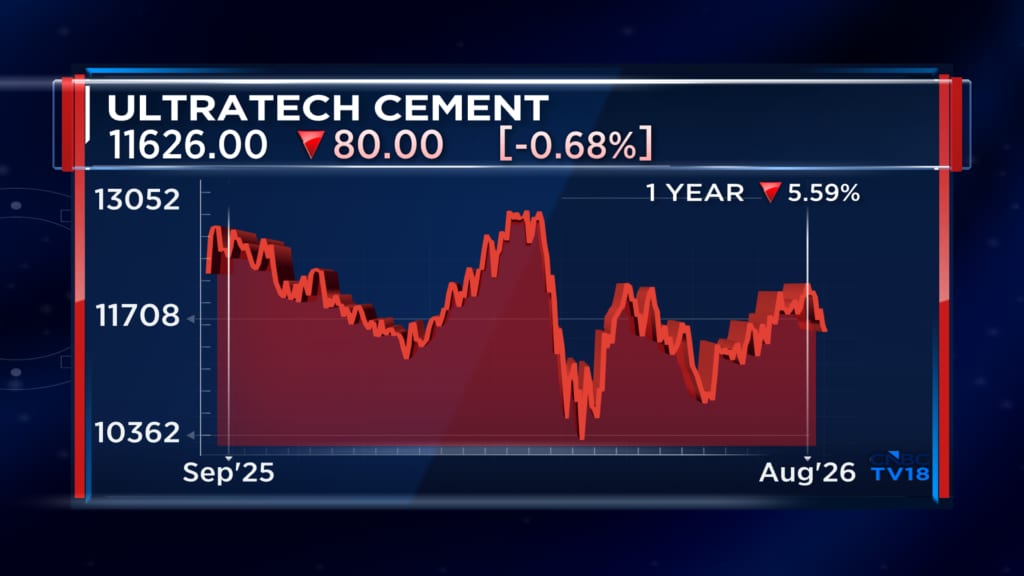
On UltraTech Cement, Ravi believes the proposed royalty payment is unlikely to have a meaningful operational impact. Even if UltraTech has to pay the maximum ₹225 crore annually, it would amount to roughly ₹10-12 per tonne and less than 1% of its EBITDA, given EBITDA of around ₹1,000-1,200 per tonne. “From that perspective, the impact is minimal,” he said.
Watch the full conversation here
For his preferred stocks, Ravi is positive on UltraTech Cement and JK Cement, citing consistent industry-leading volume growth, healthy margins and strong balance sheets despite ongoing capital expenditure. He is also positive on Ambuja Cements, but sees a need for the company to execute its delayed capex and recover margins over the next one to two quarters.
If those improvements come through, Ravi believes Ambuja's relatively low valuation could leave room for significant upside.

Catch all the latest updates from the stock market here
Ramco Cements has been among the worst affected, with the royalty adding around ₹80-100 per tonne to its overall cost, while Dalmia Cement faced an impact of around ₹40 per tonne. Ravi said the amendment is “positive for the sector as a whole” and, in the near term, should increase the competitiveness of Ramco and Dalmia. Ramco could particularly benefit as its margins have fallen to around ₹700-800 per tonne.
The key benefit, according to Ravi, is the removal of uncertainty over whether states such as Chhattisgarh, Madhya Pradesh, Karnataka and Maharashtra could introduce similar royalty measures. “Irrespective of which government is at the Centre, or at the state, such uncertainty goes away,” he said, adding that this gives companies greater visibility on costs.
However, the relief does not change Ravi's negative view on Ramco Cements. HDFC Securities currently has a strong sell rating on the company, citing slower capex, a relatively heavy balance sheet and continued volatility in the southern cement market. These factors have weighed on Ramco's margin profile.
Meanwhile, JSW Cement's entry into north India appears to be progressing better than initially expected. The company reported around 55% utilisation in the April-June quarter of 2026 (Q1FY27) of its north India operations, which Ravi described as commendable given that it is entering a new market.
Ravi said cement companies typically take four to five quarters to reach earnings before interest, taxes, depreciation and amortisation (EBITDA) break-even when entering a new geography. JSW Cement's early utilisation levels therefore suggest that its north India expansion could reach break-even faster, while the company's management guidance on profit contribution will remain important. “At least that initial fear is behind from a market perspective,” Ravi said.
On UltraTech Cement, Ravi believes the proposed royalty payment is unlikely to have a meaningful operational impact. Even if UltraTech has to pay the maximum ₹225 crore annually, it would amount to roughly ₹10-12 per tonne and less than 1% of its EBITDA, given EBITDA of around ₹1,000-1,200 per tonne. “From that perspective, the impact is minimal,” he said.
Watch the full conversation here
For his preferred stocks, Ravi is positive on UltraTech Cement and JK Cement, citing consistent industry-leading volume growth, healthy margins and strong balance sheets despite ongoing capital expenditure. He is also positive on Ambuja Cements, but sees a need for the company to execute its delayed capex and recover margins over the next one to two quarters.
If those improvements come through, Ravi believes Ambuja's relatively low valuation could leave room for significant upside.
Catch all the latest updates from the stock market here












/images/ppid_59c68470-image-178668507465481992.webp)