/images/ppid_59c68470-image-178163506013915164.webp)

/images/ppid_59c68470-image-17816200259681400.webp)


What is the story about?
Mercedes-Benz plans to launch more than 40 new models globally by the end of 2027 as the German luxury carmaker looks to expand its presence across markets, with India expected to play an increasingly important role in its growth strategy.
Speaking exclusively to CNBC-TV18, Mathias Geisen, Member of the Board of Management at Mercedes-Benz Group, said the company is pursuing growth across its entire portfolio rather than focusing on a single segment.
"We are launching more than 40 models. By the end of 2027, we will have launched 40 new models across the entire portfolio, not only in the top-end segment," Geisen said.
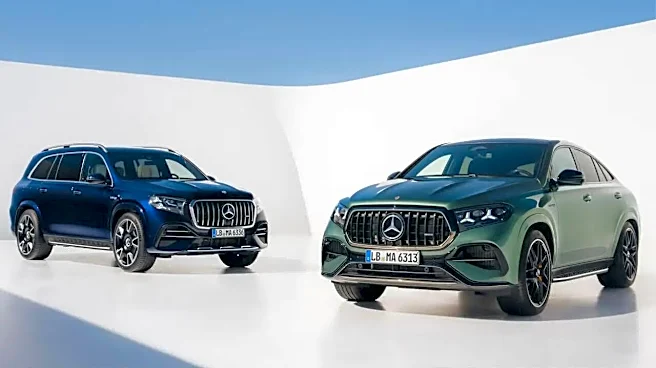
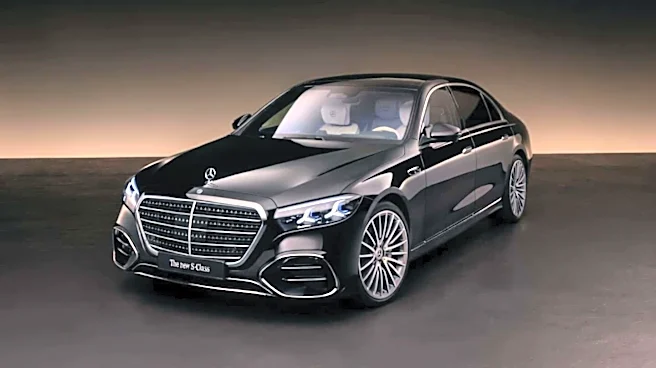
The executive said Mercedes-Benz remains committed to serving customers at both ends of the market, from entry-level luxury cars to flagship models such as the S-Class and GLS.
"For us, it is important that we work on both ends," he said. "We have to make sure that we make the brand accessible and approachable."
According to Geisen, younger buyers in markets such as India may not immediately be able to afford the company's flagship products, making entry models an important gateway into the brand. He cited the new CLA as an example of how Mercedes-Benz is attracting first-time luxury car buyers.
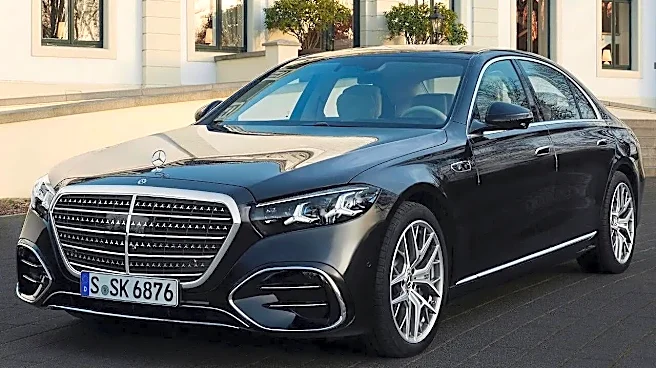
At the same time, the company continues to strengthen its top-end offerings, including the recently launched S-Class plug-in hybrid and future products such as the VLS grand limousine.
Geisen said Mercedes-Benz's growth ambitions cannot depend on a single geography and require investments across multiple markets. India, however, occupies a strategic position within those plans.
"India is among the top 15 markets for us, and we have a clear growth ambition," he said.
The company already has a significant manufacturing footprint in the country. Geisen said around 95% of the roughly 20,000 Mercedes-Benz vehicles sold in India are produced locally, while only a small portion is imported from Germany.
Beyond manufacturing, India has become an important hub for technology and product development within the group.
"We also have a huge R&D hub here in India, the second largest after Germany," Geisen said. "India is not just a sales market. It also plays a crucial role in our development activities."
Mercedes-Benz is also gradually increasing local sourcing, although Geisen acknowledged that relatively low production volumes make full localisation challenging.
"We want to make sure that we grow sustainably and build up local sourcing over time," he said.
The executive compared the company's India strategy to a marathon rather than a sprint, stressing that investments in manufacturing, research and supplier networks take time to generate results.
The comments come as India emerges as an increasingly important market for global luxury carmakers. While the country's luxury vehicle market remains relatively small compared with larger automotive markets, rising incomes, a growing affluent population and increasing demand for premium products are encouraging manufacturers to deepen their presence.
For Mercedes-Benz, India represents not only a sales opportunity but also a long-term base for manufacturing, engineering and future growth as the company rolls out its next generation of vehicles globally.
Speaking exclusively to CNBC-TV18, Mathias Geisen, Member of the Board of Management at Mercedes-Benz Group, said the company is pursuing growth across its entire portfolio rather than focusing on a single segment.
"We are launching more than 40 models. By the end of 2027, we will have launched 40 new models across the entire portfolio, not only in the top-end segment," Geisen said.
The executive said Mercedes-Benz remains committed to serving customers at both ends of the market, from entry-level luxury cars to flagship models such as the S-Class and GLS.
"For us, it is important that we work on both ends," he said. "We have to make sure that we make the brand accessible and approachable."
According to Geisen, younger buyers in markets such as India may not immediately be able to afford the company's flagship products, making entry models an important gateway into the brand. He cited the new CLA as an example of how Mercedes-Benz is attracting first-time luxury car buyers.
At the same time, the company continues to strengthen its top-end offerings, including the recently launched S-Class plug-in hybrid and future products such as the VLS grand limousine.
Geisen said Mercedes-Benz's growth ambitions cannot depend on a single geography and require investments across multiple markets. India, however, occupies a strategic position within those plans.
"India is among the top 15 markets for us, and we have a clear growth ambition," he said.
The company already has a significant manufacturing footprint in the country. Geisen said around 95% of the roughly 20,000 Mercedes-Benz vehicles sold in India are produced locally, while only a small portion is imported from Germany.
Beyond manufacturing, India has become an important hub for technology and product development within the group.
"We also have a huge R&D hub here in India, the second largest after Germany," Geisen said. "India is not just a sales market. It also plays a crucial role in our development activities."
Mercedes-Benz is also gradually increasing local sourcing, although Geisen acknowledged that relatively low production volumes make full localisation challenging.
"We want to make sure that we grow sustainably and build up local sourcing over time," he said.
The executive compared the company's India strategy to a marathon rather than a sprint, stressing that investments in manufacturing, research and supplier networks take time to generate results.
The comments come as India emerges as an increasingly important market for global luxury carmakers. While the country's luxury vehicle market remains relatively small compared with larger automotive markets, rising incomes, a growing affluent population and increasing demand for premium products are encouraging manufacturers to deepen their presence.
For Mercedes-Benz, India represents not only a sales opportunity but also a long-term base for manufacturing, engineering and future growth as the company rolls out its next generation of vehicles globally.
/images/ppid_59c68470-image-17816350260077601.webp)



/images/ppid_59c68470-image-178162002759580262.webp)
/images/ppid_59c68470-image-178153756216317015.webp)