/images/ppid_59c68470-image-177987760969230703.webp)



/images/ppid_59c68470-image-177963753630694206.webp)
What is the story about?
India is struggling to attract global investor money because it is not being seen as a major artificial intelligence (AI) or semiconductor market, according to Arend Kapteyn, Global Head of Economics & Strategy Research at UBS.
Kapteyn said global investors are currently focused on countries that are deeply linked to the AI supply chain, such as Taiwan and South Korea, where semiconductor exports and technology spending are driving both economic growth and stock market gains.
“India is not perceived to be a play on AI,” Kapteyn said during the interview.
That shift in investor preference is now showing up clearly in market rankings and capital flows. Taiwan recently overtook India to become the world’s fifth-largest equity market, while South Korea is rapidly closing the gap. Companies such as TSMC, Samsung Electronics and SK Hynix are benefiting directly from booming global demand for AI chips and memory products.
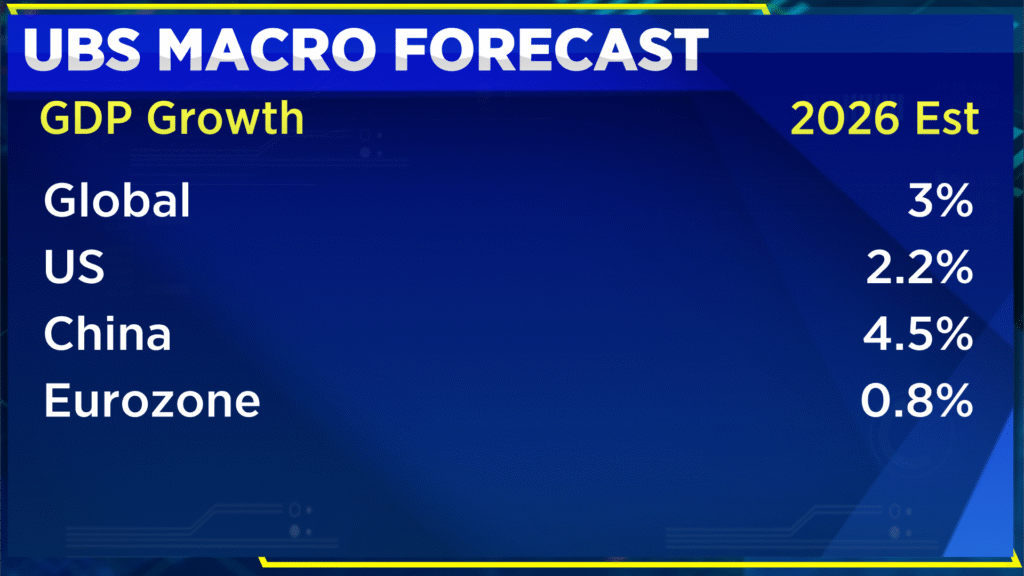
Kapteyn said the AI export boom has become so powerful that it is offsetting the economic damage caused by higher oil prices.
“If you look at the countries that are part of the AI supply chain, it’s over 50% of GDP, and they have basically had a terms of trade gain that is significantly larger than the oil price increase,” he said.
Also Read | BofA says India could emerge among market winners if oil prices cool
According to him, Taiwan and Korea are seeing unusually strong trade surpluses because chip demand continues to outpace supply. In Taiwan’s case, the AI-driven export cycle is adding nearly 10 percentage points to gross domestic product (GDP) growth through net exports alone.
India, meanwhile, is facing two major challenges. First, the country remains highly dependent on imported energy, making investors worried about currency weakness whenever oil prices rise. Second, India still lacks a globally dominant listed AI or semiconductor company.
Kapteyn said these concerns are making investors prefer markets that already have momentum from the AI trade.
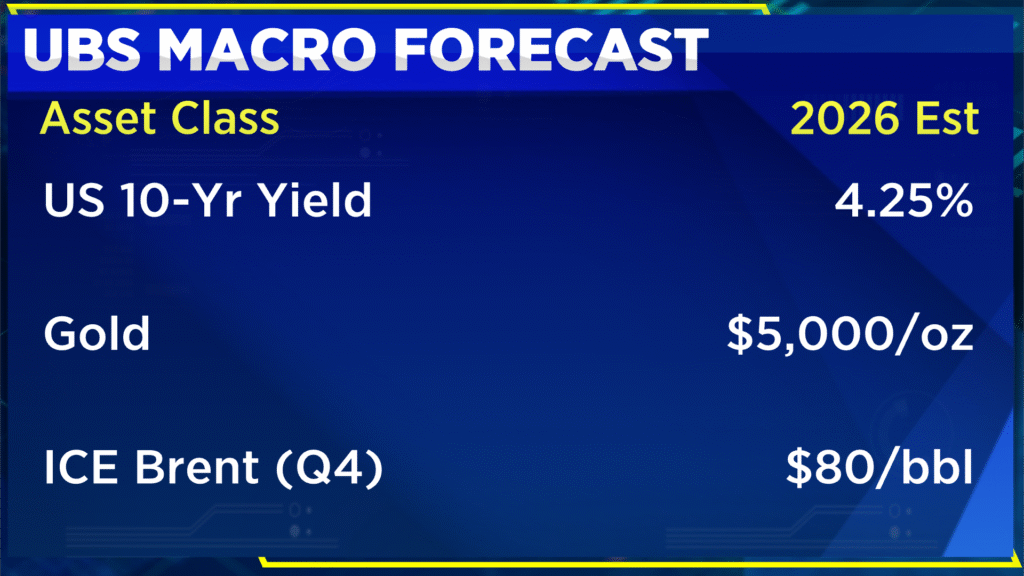
“The route of least resistance is to buy the things that have momentum, which is basically the AI plays outside of India,” he said.
Still, he believes India’s situation could improve quickly if energy prices cool and geopolitical tensions ease.
Also Read | Foreign investor selling now a bigger drag on rupee: Jefferies
He said many global investors do not want all their money concentrated in just a few AI-heavy markets. If the West Asia conflict stabilises and pressure on oil prices reduces, investors could begin looking again at large economies like India that offer domestic growth, demographics and diversification.
Kapteyn also believes the AI investment cycle itself still has room to run. Massive spending by technology giants such as Meta, Amazon and Google is continuing to support semiconductor demand globally.
Watch the full conversation here
At the same time, he warned that the AI boom has become extremely concentrated in a handful of companies and economies, creating risks if technology changes quickly or lower-cost competition emerges, especially from China.
For now, though, Kapteyn says global markets remain heavily focused on one theme — AI.
Catch all the latest updates from the stock market here
Kapteyn said global investors are currently focused on countries that are deeply linked to the AI supply chain, such as Taiwan and South Korea, where semiconductor exports and technology spending are driving both economic growth and stock market gains.
“India is not perceived to be a play on AI,” Kapteyn said during the interview.
That shift in investor preference is now showing up clearly in market rankings and capital flows. Taiwan recently overtook India to become the world’s fifth-largest equity market, while South Korea is rapidly closing the gap. Companies such as TSMC, Samsung Electronics and SK Hynix are benefiting directly from booming global demand for AI chips and memory products.
Kapteyn said the AI export boom has become so powerful that it is offsetting the economic damage caused by higher oil prices.
“If you look at the countries that are part of the AI supply chain, it’s over 50% of GDP, and they have basically had a terms of trade gain that is significantly larger than the oil price increase,” he said.
Also Read | BofA says India could emerge among market winners if oil prices cool
According to him, Taiwan and Korea are seeing unusually strong trade surpluses because chip demand continues to outpace supply. In Taiwan’s case, the AI-driven export cycle is adding nearly 10 percentage points to gross domestic product (GDP) growth through net exports alone.
India, meanwhile, is facing two major challenges. First, the country remains highly dependent on imported energy, making investors worried about currency weakness whenever oil prices rise. Second, India still lacks a globally dominant listed AI or semiconductor company.
Kapteyn said these concerns are making investors prefer markets that already have momentum from the AI trade.
“The route of least resistance is to buy the things that have momentum, which is basically the AI plays outside of India,” he said.
Still, he believes India’s situation could improve quickly if energy prices cool and geopolitical tensions ease.
Also Read | Foreign investor selling now a bigger drag on rupee: Jefferies
He said many global investors do not want all their money concentrated in just a few AI-heavy markets. If the West Asia conflict stabilises and pressure on oil prices reduces, investors could begin looking again at large economies like India that offer domestic growth, demographics and diversification.
Kapteyn also believes the AI investment cycle itself still has room to run. Massive spending by technology giants such as Meta, Amazon and Google is continuing to support semiconductor demand globally.
Watch the full conversation here
At the same time, he warned that the AI boom has become extremely concentrated in a handful of companies and economies, creating risks if technology changes quickly or lower-cost competition emerges, especially from China.
For now, though, Kapteyn says global markets remain heavily focused on one theme — AI.
Catch all the latest updates from the stock market here


/images/ppid_59c68470-image-177986517703646564.webp)

/images/ppid_59c68470-image-177985513348476779.webp)
/images/ppid_59c68470-image-177986002828631557.webp)
/images/ppid_59c68470-image-177987003582354696.webp)
/images/ppid_59c68470-image-177981253323736959.webp)
/images/ppid_59c68470-image-177968502759745957.webp)
/images/ppid_59c68470-image-17798175469957261.webp)