/images/ppid_59c68470-image-176992768932813610.webp)

Finance Minister Nirmala Sitharaman, speaking in the Lok Sabha, proposed a comprehensive national fibre scheme and outlined plans to support textile expansion through capital support for machinery.
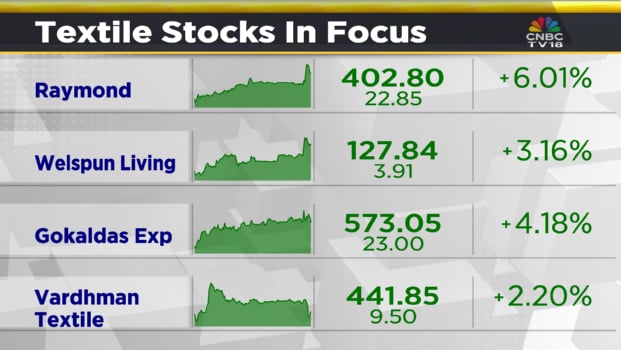
As part of an integrated programme for the textile sector, the government announced measures spanning the entire value chain, including a national fibre scheme, a textile employment scheme, a national handloom and handicraft programme, the Tex-Eco initiative, and Samarth 2.0 to upgrade the textile skilling ecosystem.
The Budget also proposed setting up mega textile parks through a challenge mode approach and linked the sector's growth to broader rural development initiatives under the Mahatma Gandhi Gram Swaraj Mission.
The policy spotlight comes at a time when India's textile and apparel exporters are recalibrating their global strategies, aided by recently signed free trade agreements with the EU and the UK.
With export opportunities expanding, the sector had been looking to Budget 2026 for meaningful support to help companies scale operations, safeguard MSME driven employment, and strengthen India's competitiveness in global textile supply chains.
/images/ppid_a911dc6a-image-176992555086324088.webp)

/images/ppid_59c68470-image-176992512547929837.webp)
/images/ppid_59c68470-image-176992509434840668.webp)


/images/ppid_59c68470-image-176992503869175626.webp)