/images/ppid_59c68470-image-178228002507354621.webp)

/images/ppid_59c68470-image-178210257812961160.webp)
/images/ppid_59c68470-image-178211013797088943.webp)
/images/ppid_59c68470-image-178210513363712948.webp)


What is the story about?
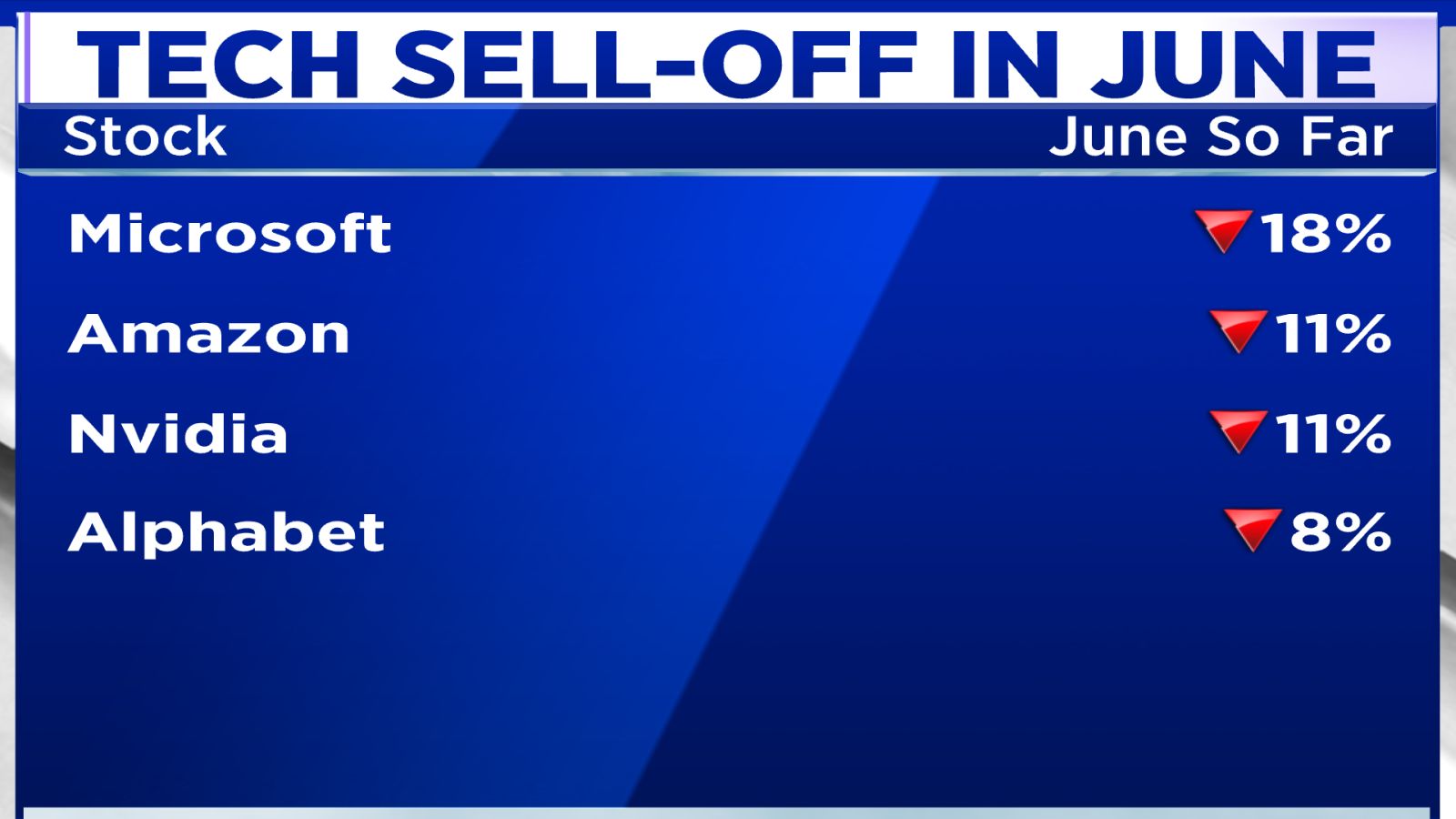
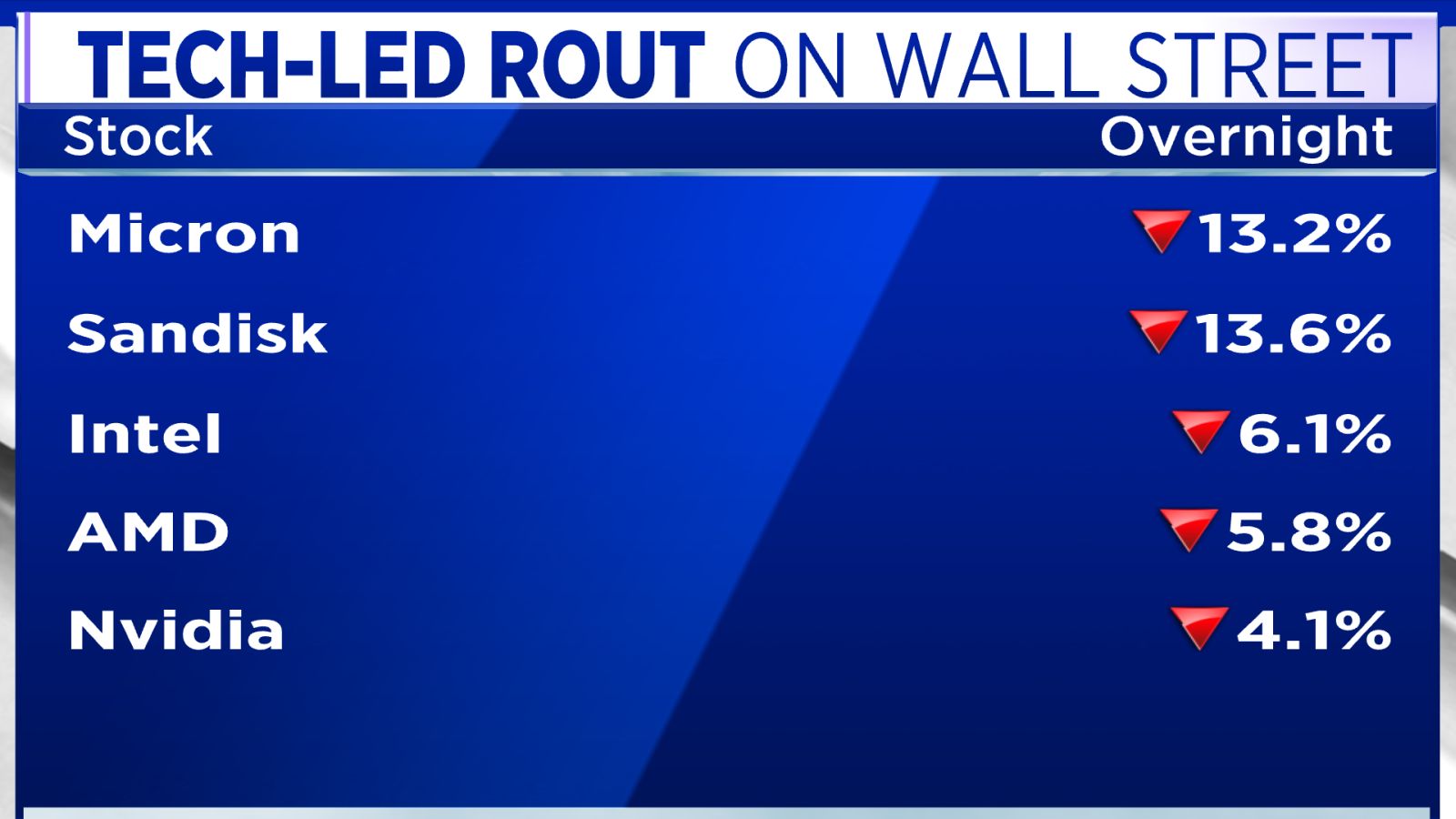
Phil Fersht, CEO and Chief Analyst at HFS Research, believes the massive investments flowing into AI companies and infrastructure have pushed valuations to levels that could trigger a market correction.
However, he said such a reset would not necessarily hurt Indian IT services providers and may, in fact, strengthen their role in the next phase of AI adoption.
Fersht described the current environment using a "J-curve" framework — where revenues and margins typically compress before rebounding. "We are in a J-curve, and we are in the down part of the J curve before it goes up, and it’s going to be a tough few months as we play this all out."
He noted that only a small proportion of Global 2000 companies have achieved meaningful AI maturity. While businesses are investing heavily in AI infrastructure, bridging the gap between experimentation and large-scale adoption will require traditional services expertise and domain capabilities, which could benefit Infosys.
While he expects growth to remain muted for the next six to nine months, Fersht believes the longer-term outlook remains favourable.
According to a study conducted by HFS Research in partnership with Genpact, nearly $18 trillion of value remains trapped within Global 2000 companies, representing a significant opportunity for
HCLTech firms.
He believes the Indian IT industry needs to move away from the traditional headcount-based model and instead focus on delivering measurable business outcomes. According to him, companies must shift from labour-driven economics to platform-led models and position themselves as partners that help enterprises build strong AI foundations rather than simply offering AI implementation services.
In his view, Indian IT companies should strengthen their presence in the mid-market segment before AI-focused firms establish a foothold there.
Fersht believes large AI model developers alone will not be able to unlock the value trapped within enterprises, leaving significant opportunities for companies such as Wipro, HCLTech, Wipro and Cognizant.
While he expects a market correction later this year, he sees it as a necessary shift that could bring valuations closer to reality and redirect investor attention towards firms with strong execution capabilities.
For the entire discussion, watch the accompanying video
Follow our live blog for more stock market updates
However, he said such a reset would not necessarily hurt Indian IT services providers and may, in fact, strengthen their role in the next phase of AI adoption.
Fersht described the current environment using a "J-curve" framework — where revenues and margins typically compress before rebounding. "We are in a J-curve, and we are in the down part of the J curve before it goes up, and it’s going to be a tough few months as we play this all out."
He noted that only a small proportion of Global 2000 companies have achieved meaningful AI maturity. While businesses are investing heavily in AI infrastructure, bridging the gap between experimentation and large-scale adoption will require traditional services expertise and domain capabilities, which could benefit Infosys.
While he expects growth to remain muted for the next six to nine months, Fersht believes the longer-term outlook remains favourable.
According to a study conducted by HFS Research in partnership with Genpact, nearly $18 trillion of value remains trapped within Global 2000 companies, representing a significant opportunity for
He believes the Indian IT industry needs to move away from the traditional headcount-based model and instead focus on delivering measurable business outcomes. According to him, companies must shift from labour-driven economics to platform-led models and position themselves as partners that help enterprises build strong AI foundations rather than simply offering AI implementation services.
In his view, Indian IT companies should strengthen their presence in the mid-market segment before AI-focused firms establish a foothold there.
Fersht believes large AI model developers alone will not be able to unlock the value trapped within enterprises, leaving significant opportunities for companies such as Wipro, HCLTech, Wipro and Cognizant.
While he expects a market correction later this year, he sees it as a necessary shift that could bring valuations closer to reality and redirect investor attention towards firms with strong execution capabilities.
For the entire discussion, watch the accompanying video
Follow our live blog for more stock market updates
/images/ppid_59c68470-image-178228002768651264.webp)
/images/ppid_59c68470-image-178222004405636261.webp)
/images/ppid_59c68470-image-17821976439504846.webp)
/images/ppid_59c68470-image-178219255723614572.webp)


/images/ppid_59c68470-image-178219002564420953.webp)
/images/ppid_59c68470-image-178219015015998085.webp)
/images/ppid_59c68470-image-178211256720590547.webp)
/images/ppid_59c68470-image-178210764453418062.webp)