/images/ppid_59c68470-image-177803256135915139.webp)



What is the story about?
Oil prices declined for a second day after US President Donald Trump signaled "great progress" had been made on a final agreement with Iran to end the war.
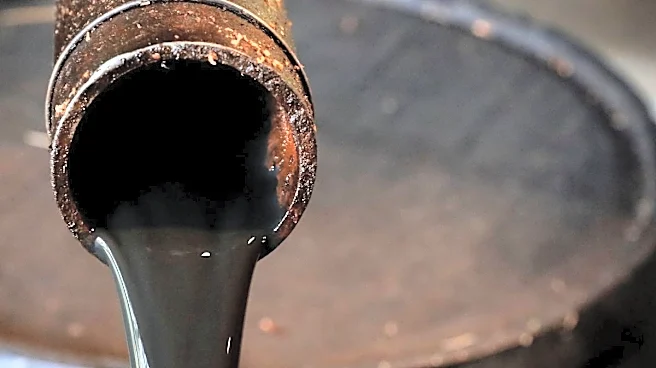
Brent declined towards $108 a barrel after falling 4% on Tuesday. Meanwhile, West Texas Intermediate was close to $100 a barrel.
. US efforts to move ships through the Strait of Hormuz will be paused, but a naval blockade will remain in place, Trump said in a Truth Social post.
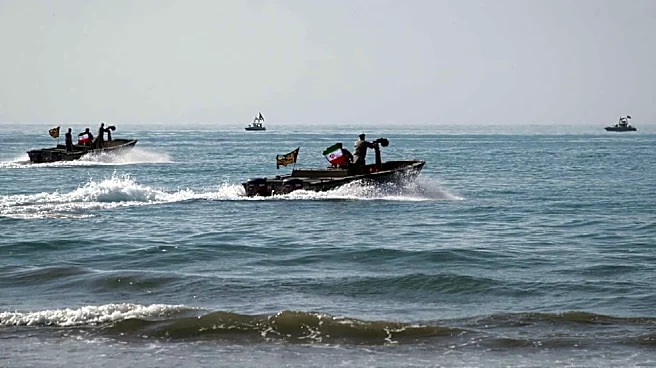
The global benchmark has climbed by about 50% since the conflict started at the end of February, cutting off hundreds of millions of barrels of Persian Gulf oil from global markets. Flows through the chokepoint are now constrained by a double blockade, with Tehran obstructing shipping while the US is stopping vessels from accessing Iranian ports.
Earlier, Secretary of State Marco Rubio told reporters at the White House that “Operation Epic Fury is concluded,” 66 days after the US and Israel began bombing Iran. “We achieved the objectives of that operation,” he said.
On Tuesday, Washington played down the prospect of a return to active war, with Defense Secretary Pete Hegseth confirming the truce that began just under a month ago is still in place. Meanwhile, General Dan Caine, the chairman of the Joint Chiefs of Staff, said attacks by Tehran on vessels in the Persian Gulf and the United Arab Emirates didn’t constitute a breach of a ceasefire.
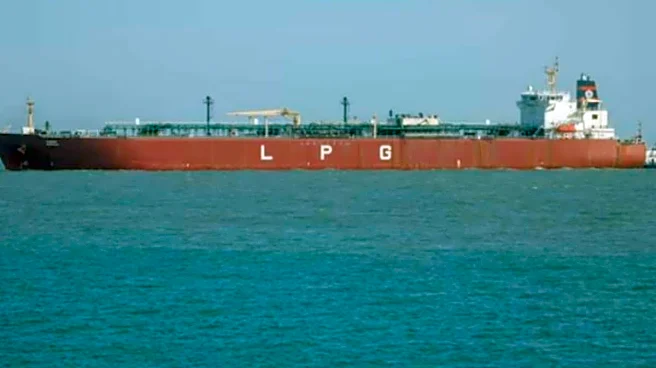
The shutdown around Hormuz has left more than 1,550 commercial vessels, carrying some 22,000 sailors, trapped in the Persian Gulf, Caine said.
In the US, industry data showed crude inventories fell 8.1 million barrels last week, which would be the biggest draw since mid-February if confirmed by official data due later Wednesday.
With inputs from Bloomberg
Brent declined towards $108 a barrel after falling 4% on Tuesday. Meanwhile, West Texas Intermediate was close to $100 a barrel.
. US efforts to move ships through the Strait of Hormuz will be paused, but a naval blockade will remain in place, Trump said in a Truth Social post.
The global benchmark has climbed by about 50% since the conflict started at the end of February, cutting off hundreds of millions of barrels of Persian Gulf oil from global markets. Flows through the chokepoint are now constrained by a double blockade, with Tehran obstructing shipping while the US is stopping vessels from accessing Iranian ports.
Earlier, Secretary of State Marco Rubio told reporters at the White House that “Operation Epic Fury is concluded,” 66 days after the US and Israel began bombing Iran. “We achieved the objectives of that operation,” he said.
On Tuesday, Washington played down the prospect of a return to active war, with Defense Secretary Pete Hegseth confirming the truce that began just under a month ago is still in place. Meanwhile, General Dan Caine, the chairman of the Joint Chiefs of Staff, said attacks by Tehran on vessels in the Persian Gulf and the United Arab Emirates didn’t constitute a breach of a ceasefire.
The shutdown around Hormuz has left more than 1,550 commercial vessels, carrying some 22,000 sailors, trapped in the Persian Gulf, Caine said.
In the US, industry data showed crude inventories fell 8.1 million barrels last week, which would be the biggest draw since mid-February if confirmed by official data due later Wednesday.
With inputs from Bloomberg


/images/ppid_59c68470-image-177796569338560501.webp)

/images/ppid_59c68470-image-177803010264783026.webp)
/images/ppid_59c68470-image-177798517490193940.webp)
/images/ppid_59c68470-image-177796553170681347.webp)
/images/ppid_59c68470-image-17779654299072684.webp)