/images/ppid_59c68470-image-177554008708596130.webp)


/images/ppid_a911dc6a-image-1775763525282615.webp)

What is the story about?
The Nifty 50 was trading above 25,700 on Feb 17 when Rupal Bhansali, Founder, CEO & CIO & Portfolio Manager–Global Equities at Double Duty Money Management, warned that earnings momentum was sufficient to justify stock valuations in India.
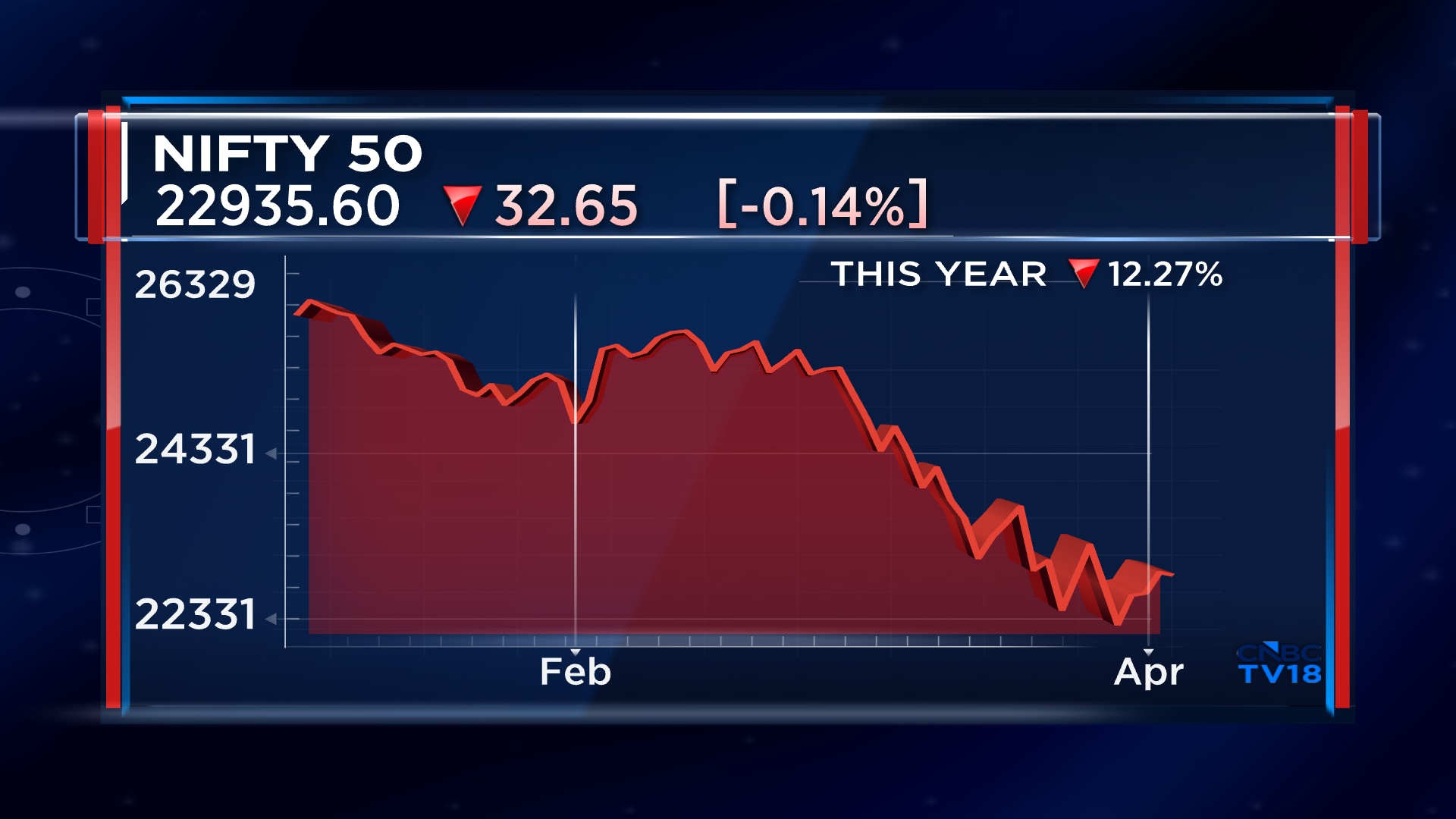
Since then, the Nifty 50 is down nearly 11%, and the price-to-earnings ratio (a valuation measure) is down to 17.4 times one-year forward earnings from nearly 20 times on Feb 17. Yet, she's convinced that more correction is warranted.
These are edited excerpts from the interview.
Q: India valuations were stretched earlier. After the recent correction, are Indian equities a buy now?
A: The answer is still no. You have to zoom out. The Iran war is inflationary, and Asian economies, being net oil importers, will suffer. The correction reflects this reality, not a valuation reset. Inflation is sticky and rising, interest rates are higher, and equities must compete by lowering multiples. The setup is not attractive, especially for India.
Watch the full conversation here
Q: Are we near the bottom? How do you define an extended period of subpar returns?
A: Markets don’t entitle you to returns; they must be earned. We’ve pulled forward returns, so now they need to average down. Long-term returns are not typically double-digit. This is a global reset moment. Portfolios need repositioning. Dividends will play a bigger role than capital appreciation going forward.
Also Read: Rupee swings, tight liquidity may slightly hit bank margins, but no major worry: Fitch
Q: Your view on gold and hard assets?
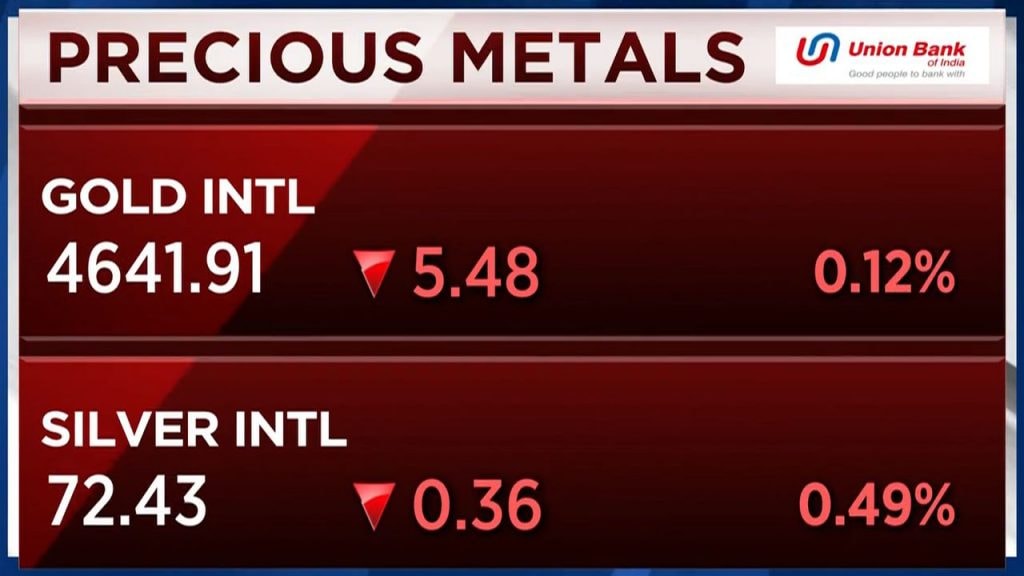
A: I’m bullish on hard assets, not specifically gold. Inflation supports commodities, agricultural and industrial. Instead of obvious plays like oil stocks, I prefer Latin American equities. They remain undervalued and benefit from being resource exporters. Many stocks are still investable.
Q: Can earnings growth in India support markets despite high valuations?
A: Earnings always matter, and there are sectoral opportunities like jewellery. But the broader market is unattractive. Global capital flows to better returns. Indian investors should diversify internationally. Investing is about finding undervalued opportunities, not overpaying.
Also Read: Motilal Oswal highlights two bank stocks that stand out in the latest business updates
Q: Which other markets look attractive?
A: Many—UK, Europe, Singapore. Crowded markets like US tech, Japan, and India have unattractive valuations. Outside these pockets, there’s a significant opportunity globally.
Catch all the live updates from the stock market here
Since then, the Nifty 50 is down nearly 11%, and the price-to-earnings ratio (a valuation measure) is down to 17.4 times one-year forward earnings from nearly 20 times on Feb 17. Yet, she's convinced that more correction is warranted.
As at 10:28 am on April 6
These are edited excerpts from the interview.
Q: India valuations were stretched earlier. After the recent correction, are Indian equities a buy now?
A: The answer is still no. You have to zoom out. The Iran war is inflationary, and Asian economies, being net oil importers, will suffer. The correction reflects this reality, not a valuation reset. Inflation is sticky and rising, interest rates are higher, and equities must compete by lowering multiples. The setup is not attractive, especially for India.
Watch the full conversation here
Q: Are we near the bottom? How do you define an extended period of subpar returns?
A: Markets don’t entitle you to returns; they must be earned. We’ve pulled forward returns, so now they need to average down. Long-term returns are not typically double-digit. This is a global reset moment. Portfolios need repositioning. Dividends will play a bigger role than capital appreciation going forward.
Also Read: Rupee swings, tight liquidity may slightly hit bank margins, but no major worry: Fitch
Q: Your view on gold and hard assets?
A: I’m bullish on hard assets, not specifically gold. Inflation supports commodities, agricultural and industrial. Instead of obvious plays like oil stocks, I prefer Latin American equities. They remain undervalued and benefit from being resource exporters. Many stocks are still investable.
Q: Can earnings growth in India support markets despite high valuations?
A: Earnings always matter, and there are sectoral opportunities like jewellery. But the broader market is unattractive. Global capital flows to better returns. Indian investors should diversify internationally. Investing is about finding undervalued opportunities, not overpaying.
Also Read: Motilal Oswal highlights two bank stocks that stand out in the latest business updates
Q: Which other markets look attractive?
A: Many—UK, Europe, Singapore. Crowded markets like US tech, Japan, and India have unattractive valuations. Outside these pockets, there’s a significant opportunity globally.
Catch all the live updates from the stock market here











/images/ppid_a911dc6a-image-177576703352746052.webp)
