/images/ppid_59c68470-image-178058011503933340.webp)



What is the story about?
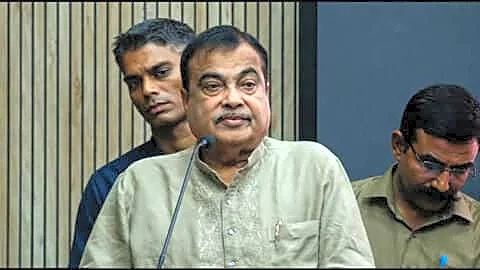
Union minister Nitin Gadkari on Thursday, June 4, said India now has the potential to shift from being an energy-importing nation to an energy exporter, with the changing geopolitical scenario due to the West Asia crisis, and the country’s progress on ethanol, hydrogen and sustainable aviation fuel.
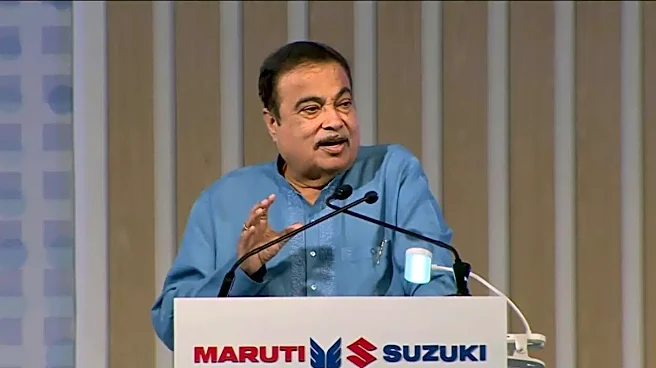
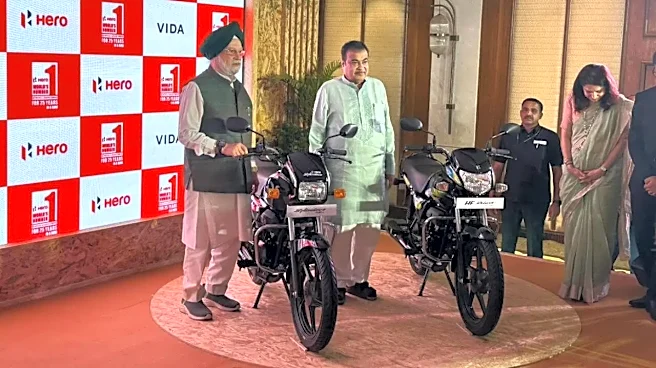
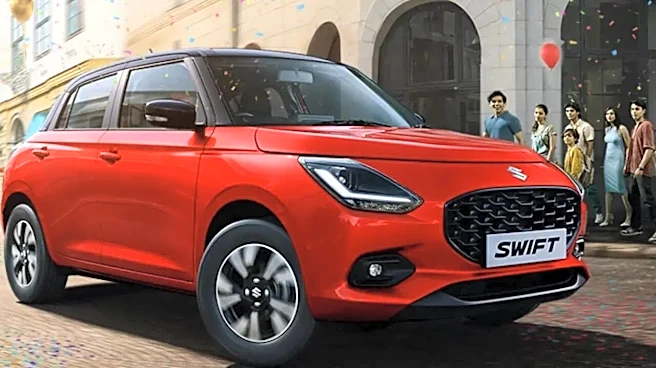
Speaking at the launch of Maruti Suzuki’s first flex fuel car in India, Gadkari further said India’s dependence on fossil fuels is both an economic burden, as Rs 22 lakh crore is spent annually on fuel imports and an environmental hazard, making clean energy adoption crucial for the nation’s progress.
”We now have the potential to go from an energy-importing nation to an energy-exporting nation,” he said.
The road transport and highways minister said India is currently producing 78,000 tonnes of sustainable aviation fuel (SAF) per year, and could become a net SAF exporter within two years.
Gadkari added that the government intends to eventually run fighter jets and helicopters on SAF as well.
The minister also noted that air pollution is a problem in India, and the transport sector is responsible for 40% of pollution in the country.
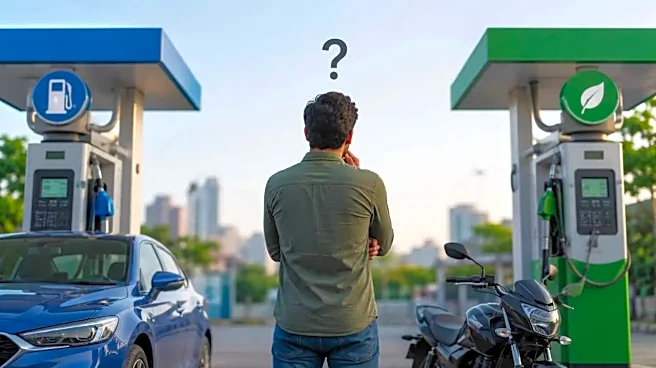
”To reduce pollution in the country, we should promote alternative fuels, including ethanol and CNG,” he added.
The minister stated that since ethanol is surplus in the country, the move to make ethanol from corn has generated an additional income of ₹45,000 crore for farmers of Uttar Pradesh and Bihar.
”When we decided to make ethanol from corn, the corn’s market price was Rs 1,200 per quintal, and MSP was ₹1,800 per quintal. After the decision, corn’s price went up to ₹2,800 per quintal.
”Rs 45,000 crore additional went into the pockets of farmers from Uttar Pradesh and Bihar,” he said.
Noting that hydrogen is the fuel of the future, Gadkari said the government has identified 10 highway stretches in different parts of the country for plying green hydrogen-powered trucks with an aim to reduce vehicular pollution.
The identified highway stretches include Greater Noida-Delhi-Agra, Bhubaneswar-Puri-Konark, Ahmedabad-Vadodara-Surat, Sahibabad-Faridabad-Delhi, Jamshedpur-Kalinganagar, Thiruvananthapuram-Kochi, and Jamnagar-Ahmedabad, among others.
Referring to contributions of the automobile sector in India’s economic growth, he said this sector contributes maximum GST to the Centre and state governments, and also provides employment to 4.5 crore youth.
”When I took charge as transport minister, the size of the Indian automobile industry was Rs 14 lakh crore. The size of the Indian automobile industry now is Rs 23 lakh crore,” Gadkari said.
Presently, the size of the US automobile industry is ₹78 lakh crore, followed by China (₹47 lakh crore) and India (₹22 lakh crore).
Speaking at the launch of Maruti Suzuki’s first flex fuel car in India, Gadkari further said India’s dependence on fossil fuels is both an economic burden, as Rs 22 lakh crore is spent annually on fuel imports and an environmental hazard, making clean energy adoption crucial for the nation’s progress.
”We now have the potential to go from an energy-importing nation to an energy-exporting nation,” he said.
The road transport and highways minister said India is currently producing 78,000 tonnes of sustainable aviation fuel (SAF) per year, and could become a net SAF exporter within two years.
Gadkari added that the government intends to eventually run fighter jets and helicopters on SAF as well.
The minister also noted that air pollution is a problem in India, and the transport sector is responsible for 40% of pollution in the country.
”To reduce pollution in the country, we should promote alternative fuels, including ethanol and CNG,” he added.
The minister stated that since ethanol is surplus in the country, the move to make ethanol from corn has generated an additional income of ₹45,000 crore for farmers of Uttar Pradesh and Bihar.
”When we decided to make ethanol from corn, the corn’s market price was Rs 1,200 per quintal, and MSP was ₹1,800 per quintal. After the decision, corn’s price went up to ₹2,800 per quintal.
”Rs 45,000 crore additional went into the pockets of farmers from Uttar Pradesh and Bihar,” he said.
Noting that hydrogen is the fuel of the future, Gadkari said the government has identified 10 highway stretches in different parts of the country for plying green hydrogen-powered trucks with an aim to reduce vehicular pollution.
The identified highway stretches include Greater Noida-Delhi-Agra, Bhubaneswar-Puri-Konark, Ahmedabad-Vadodara-Surat, Sahibabad-Faridabad-Delhi, Jamshedpur-Kalinganagar, Thiruvananthapuram-Kochi, and Jamnagar-Ahmedabad, among others.
Referring to contributions of the automobile sector in India’s economic growth, he said this sector contributes maximum GST to the Centre and state governments, and also provides employment to 4.5 crore youth.
”When I took charge as transport minister, the size of the Indian automobile industry was Rs 14 lakh crore. The size of the Indian automobile industry now is Rs 23 lakh crore,” Gadkari said.
Presently, the size of the US automobile industry is ₹78 lakh crore, followed by China (₹47 lakh crore) and India (₹22 lakh crore).