/images/ppid_59c68470-image-178064753652823472.webp)

/images/ppid_59c68470-image-178067003560665611.webp)
What is the story about?
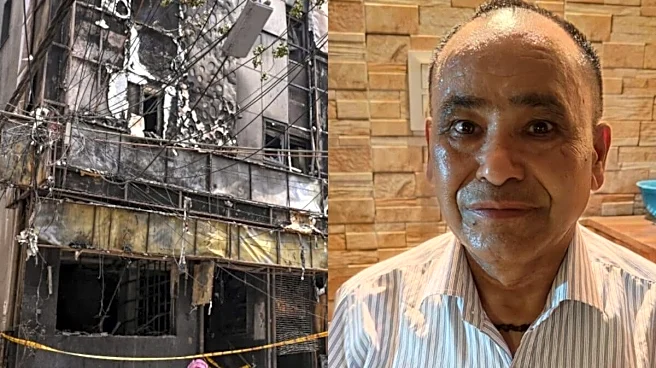
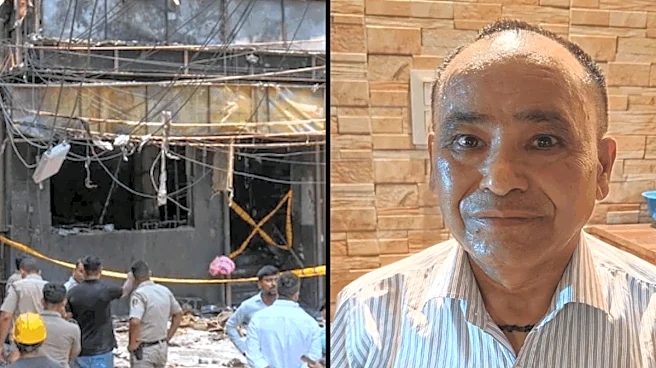
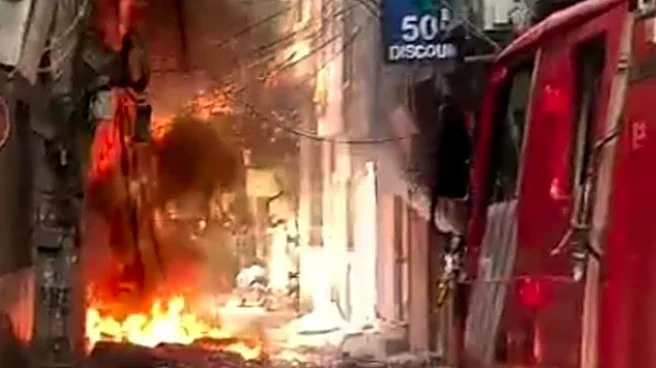
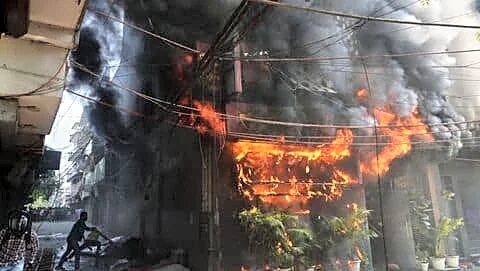
Images emerging from Delhi's Malviya Nagar fire are difficult to forget. While the immediate focus remains on supporting affected families and determining the cause of the tragedy, such incidents also prompt a broader conversation about preparedness and protection.
Among the questions that arise is how insurance and liability frameworks work in the hospitality sector, and what support mechanisms may be available to the affected following unforeseen events.
Industry experts say that while insurance can play an important role in providing financial relief after an accident, the extent of support often depends on factors such as the type of coverage maintained by the property, the adequacy of policy limits and the findings of subsequent investigations.
"Public Liability Insurance is typically the primary policy that responds to third-party bodily injury, death or property damage suffered by guests due to the hotel's negligence," said Evaa Saiwal, Business Head-Liability & Cyber Insurance at Policybazaar for Business, the dedicated corporate and commercial insurance division of Policybazaar.
Santosh Sahoo, Vice President-SME Insurance at Probus, an insurtech platform and insurance broker, said public liability policies typically become relevant when a hotel is found legally liable for injuries, fatalities or property loss suffered by guests following an incident.
Larger hotels and organised hospitality groups often supplement this with Commercial General Liability (CGL) insurance programmes that provide broader protection against third-party claims.
Separately, hotels usually maintain property and fire insurance to cover damage to their own buildings and assets. Such policies are primarily intended to indemnify the establishment for physical losses and typically do not compensate guests directly for injuries or loss of belongings, experts said.
"From the perspective of an affected guest, public liability coverage is generally the most relevant," said Dikshu C Kukreja, Managing Principal at CP Kukreja Architects, a multi-disciplinary architecture and urban design firm.
"But compensation is not always automatic. The extent of recovery often depends on investigations, the establishment's legal liability, policy limits and whether there were breaches of fire-safety norms, occupancy regulations or other statutory obligations," he told CNBC-TV18.
In major incidents involving multiple casualties, compensation may emerge through a combination of insurance settlements, consumer claims, civil proceedings and, in some cases, court-directed relief, he added.
The challenge of underinsurance
One issue that receives less public attention is whether hospitality establishments carry adequate insurance in the first place.
According to Saiwal, insurance penetration remains uneven across India's hospitality sector, particularly among smaller hotels, lodges and bed-and-breakfast establishments.
Many operators either do not purchase liability insurance, buy only basic property insurance, or maintain liability limits that may prove insufficient in a large-scale accident, she said.
Common gaps include the absence of standalone liability cover, low indemnity limits, outdated risk declarations and policies that do not adequately reflect actual occupancy levels or operational risks.
Rajendra Upadhyaya, Chief Growth Officer at Choice Insurance Broking India, a subsidiary of Choice Group, said the challenge is particularly pronounced in the budget accommodation segment.
"Liability insurance is not mandatory for hotels, guest houses and bed-and-breakfast establishments in India. Adoption remains largely voluntary, especially among smaller operators," he said.
Even where policies exist, underinsurance is common, meaning that compensation available under a policy may fall short if an incident results in multiple fatalities or serious injuries.
"A hotel may possess liability insurance, but if the insured limit is relatively modest and an incident results in multiple fatalities and injuries, total claims can exceed available coverage," Kukreja noted.
Sahoo noted that while some smaller hotels and guest houses maintain adequate protection, others continue to operate with limited liability cover or no dedicated liability insurance at all, potentially affecting the extent and speed of compensation available after an accident.
Insurance is only one layer of protection
Experts emphasise that insurance should be viewed as part of a broader framework of risk management rather than a substitute for safety.
Large hotel chains typically operate within structured compliance systems involving periodic safety audits, risk assessments, insurance reviews and operational protocols. Smaller independent properties often display much wider variations in both insurance preparedness and safety practices.
"The unorganised hospitality sector in India still represents a significant protection gap from both a risk-management and victim-compensation perspective," Saiwal said.
For Kukreja, the larger lesson extends beyond insurance itself.
"The ability of victims and families to obtain timely compensation is closely linked to whether establishments maintain adequate coverage, whether risks have been properly disclosed and whether safety obligations have been continuously met," he said.
As investigators piece together what happened in the Delhi fire, experts say the tragedy stresses a broader reality: meaningful guest protection rests on several pillars working together, fire safety compliance, emergency preparedness, responsible operations and adequate financial safeguards.
Insurance can provide an important safety net after an incident, but preventing such tragedies remains the first and most critical line of defence.
Among the questions that arise is how insurance and liability frameworks work in the hospitality sector, and what support mechanisms may be available to the affected following unforeseen events.
Industry experts say that while insurance can play an important role in providing financial relief after an accident, the extent of support often depends on factors such as the type of coverage maintained by the property, the adequacy of policy limits and the findings of subsequent investigations.
"Public Liability Insurance is typically the primary policy that responds to third-party bodily injury, death or property damage suffered by guests due to the hotel's negligence," said Evaa Saiwal, Business Head-Liability & Cyber Insurance at Policybazaar for Business, the dedicated corporate and commercial insurance division of Policybazaar.
Santosh Sahoo, Vice President-SME Insurance at Probus, an insurtech platform and insurance broker, said public liability policies typically become relevant when a hotel is found legally liable for injuries, fatalities or property loss suffered by guests following an incident.
Larger hotels and organised hospitality groups often supplement this with Commercial General Liability (CGL) insurance programmes that provide broader protection against third-party claims.
Separately, hotels usually maintain property and fire insurance to cover damage to their own buildings and assets. Such policies are primarily intended to indemnify the establishment for physical losses and typically do not compensate guests directly for injuries or loss of belongings, experts said.
"From the perspective of an affected guest, public liability coverage is generally the most relevant," said Dikshu C Kukreja, Managing Principal at CP Kukreja Architects, a multi-disciplinary architecture and urban design firm.
"But compensation is not always automatic. The extent of recovery often depends on investigations, the establishment's legal liability, policy limits and whether there were breaches of fire-safety norms, occupancy regulations or other statutory obligations," he told CNBC-TV18.
In major incidents involving multiple casualties, compensation may emerge through a combination of insurance settlements, consumer claims, civil proceedings and, in some cases, court-directed relief, he added.
The challenge of underinsurance
One issue that receives less public attention is whether hospitality establishments carry adequate insurance in the first place.
According to Saiwal, insurance penetration remains uneven across India's hospitality sector, particularly among smaller hotels, lodges and bed-and-breakfast establishments.
Many operators either do not purchase liability insurance, buy only basic property insurance, or maintain liability limits that may prove insufficient in a large-scale accident, she said.
Common gaps include the absence of standalone liability cover, low indemnity limits, outdated risk declarations and policies that do not adequately reflect actual occupancy levels or operational risks.
Rajendra Upadhyaya, Chief Growth Officer at Choice Insurance Broking India, a subsidiary of Choice Group, said the challenge is particularly pronounced in the budget accommodation segment.
"Liability insurance is not mandatory for hotels, guest houses and bed-and-breakfast establishments in India. Adoption remains largely voluntary, especially among smaller operators," he said.
Even where policies exist, underinsurance is common, meaning that compensation available under a policy may fall short if an incident results in multiple fatalities or serious injuries.
"A hotel may possess liability insurance, but if the insured limit is relatively modest and an incident results in multiple fatalities and injuries, total claims can exceed available coverage," Kukreja noted.
Sahoo noted that while some smaller hotels and guest houses maintain adequate protection, others continue to operate with limited liability cover or no dedicated liability insurance at all, potentially affecting the extent and speed of compensation available after an accident.
Insurance is only one layer of protection
Experts emphasise that insurance should be viewed as part of a broader framework of risk management rather than a substitute for safety.
Large hotel chains typically operate within structured compliance systems involving periodic safety audits, risk assessments, insurance reviews and operational protocols. Smaller independent properties often display much wider variations in both insurance preparedness and safety practices.
"The unorganised hospitality sector in India still represents a significant protection gap from both a risk-management and victim-compensation perspective," Saiwal said.
For Kukreja, the larger lesson extends beyond insurance itself.
"The ability of victims and families to obtain timely compensation is closely linked to whether establishments maintain adequate coverage, whether risks have been properly disclosed and whether safety obligations have been continuously met," he said.
As investigators piece together what happened in the Delhi fire, experts say the tragedy stresses a broader reality: meaningful guest protection rests on several pillars working together, fire safety compliance, emergency preparedness, responsible operations and adequate financial safeguards.
Insurance can provide an important safety net after an incident, but preventing such tragedies remains the first and most critical line of defence.




/images/ppid_a911dc6a-image-178077128263347841.webp)