/images/ppid_59c68470-image-178030503604211672.webp)

/images/ppid_59c68470-image-17800276623949610.webp)
/images/ppid_59c68470-image-1780040030908842.webp)
/images/ppid_59c68470-image-17800375308827980.webp)
What is the story about?
Abizer Diwanji, Founder of NeoStrat Advisors LLP, and Ashvin Parekh, Managing Partner, Advisory Services, described the questions surrounding HDFC Bank's deposit-related payments to the Maharashtra State Road Development Corporation (MSRDC) as more of an operational and governance issue rather than a fundamental business concern.
The issue has come into focus after an Indian Express report cited findings from an internal vigilance investigation into payments of around ₹45 crore linked to deposits placed by MSRDC with the bank.
Diwanji said the Reserve Bank of India's regulations are principle-based and allow flexibility in pricing deposits across defined categories, provided similar treatment is available to comparable customers.
According to the Indian Express report, the payments were allegedly routed through the bank's marketing budget and recorded as sponsorship or campaign expenses. The vigilance probe is said to have concluded that the payments effectively compensated MSRDC for an interest-rate differential on deposits.
According to Diwanji, operational challenges often arise when actual deposit flows differ from initial commitments, forcing banks to find practical solutions. He added, “I do believe that this is more of an operational issue, simply because operationalising some of these things is very difficult.”
HDFC Bank has defended its handling of payments made to the MSRDC, saying the matter was reviewed through established governance processes and that no individual personally benefited from the transactions.
Parekh noted that banks frequently make commercial decisions when dealing with large institutional deposits and asset-liability management requirements. He argued that pricing flexibility is common across the industry and often depends on the size and strategic importance of deposits.
"It is a business call that the bank has made and a certain amount of leeway could be given, or is given to the banks. All the banks do it," Parekh added.
For investors, the bigger concern may not be the deposit-pricing issue itself but the perception created by recurring controversies surrounding the country's largest private-sector lender. Diwanji said discussions with foreign investors suggest they are more focused on management stability and the bank's ability to maintain its governance standards than on the operational issue under scrutiny.
He also pointed out that HDFC Bank's governance framework appears to be functioning as intended, with matters being examined through internal audits and audit committee oversight. Such processes, experts said, are important in ensuring accountability and maintaining stakeholder confidence.
Analysts believe investor sentiment will largely depend on how transparently the bank addresses the issue and whether any policy or procedural changes emerge from ongoing reviews.
For the entire discussion, watch the accompanying video
Follow our live blog for more stock market updates
The issue has come into focus after an Indian Express report cited findings from an internal vigilance investigation into payments of around ₹45 crore linked to deposits placed by MSRDC with the bank.
Diwanji said the Reserve Bank of India's regulations are principle-based and allow flexibility in pricing deposits across defined categories, provided similar treatment is available to comparable customers.
According to the Indian Express report, the payments were allegedly routed through the bank's marketing budget and recorded as sponsorship or campaign expenses. The vigilance probe is said to have concluded that the payments effectively compensated MSRDC for an interest-rate differential on deposits.
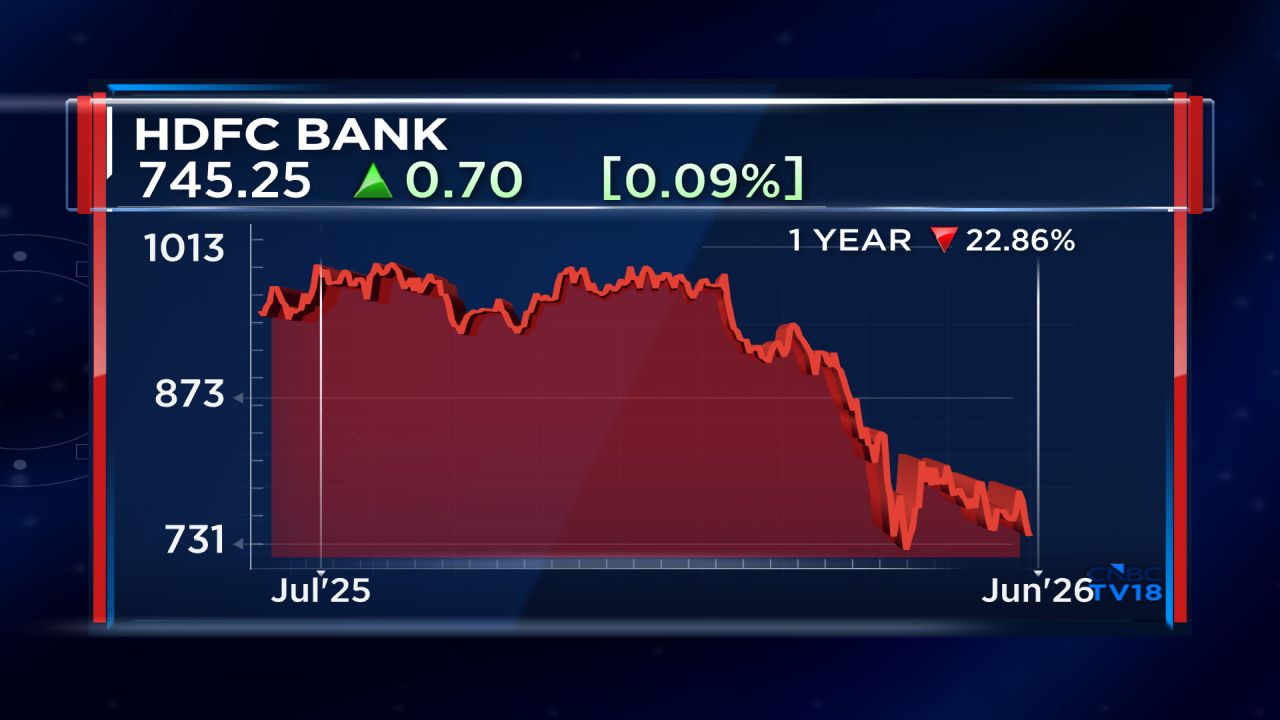
The stock was trading at ₹745.30 at 12:41 pm on the NSE and has declined more than 22% over the past year.
According to Diwanji, operational challenges often arise when actual deposit flows differ from initial commitments, forcing banks to find practical solutions. He added, “I do believe that this is more of an operational issue, simply because operationalising some of these things is very difficult.”
HDFC Bank has defended its handling of payments made to the MSRDC, saying the matter was reviewed through established governance processes and that no individual personally benefited from the transactions.
Parekh noted that banks frequently make commercial decisions when dealing with large institutional deposits and asset-liability management requirements. He argued that pricing flexibility is common across the industry and often depends on the size and strategic importance of deposits.
"It is a business call that the bank has made and a certain amount of leeway could be given, or is given to the banks. All the banks do it," Parekh added.
For investors, the bigger concern may not be the deposit-pricing issue itself but the perception created by recurring controversies surrounding the country's largest private-sector lender. Diwanji said discussions with foreign investors suggest they are more focused on management stability and the bank's ability to maintain its governance standards than on the operational issue under scrutiny.
He also pointed out that HDFC Bank's governance framework appears to be functioning as intended, with matters being examined through internal audits and audit committee oversight. Such processes, experts said, are important in ensuring accountability and maintaining stakeholder confidence.
Analysts believe investor sentiment will largely depend on how transparently the bank addresses the issue and whether any policy or procedural changes emerge from ongoing reviews.
For the entire discussion, watch the accompanying video
Follow our live blog for more stock market updates
/images/ppid_59c68470-image-178027503715352925.webp)


/images/ppid_59c68470-image-178029509050325042.webp)
/images/ppid_59c68470-image-178028766573392593.webp)
/images/ppid_59c68470-image-178006513236695354.webp)


/images/ppid_59c68470-image-17800725304921958.webp)