/images/ppid_59c68470-image-178352503063028990.webp)



What is the story about?
The rollout of E20 petrol across India has raised questions among vehicle owners, especially those driving premium and luxury cars. Concerns over engine compatibility, corrosion, mileage and long-term reliability have gained traction after reports of some motorists experiencing vehicle issues following the switch to higher ethanol-blended fuel.
The government is promoting higher ethanol blending to reduce crude oil imports, lower emissions and support domestic ethanol production. While the transition has sparked concerns about its impact on vehicles, automakers maintain that compatibility depends largely on vehicle design and fuel quality.
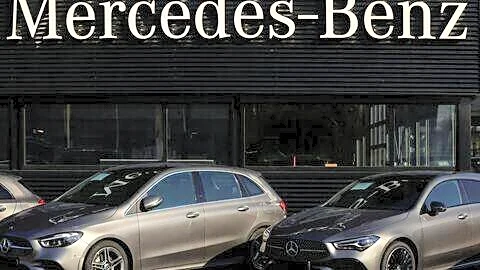
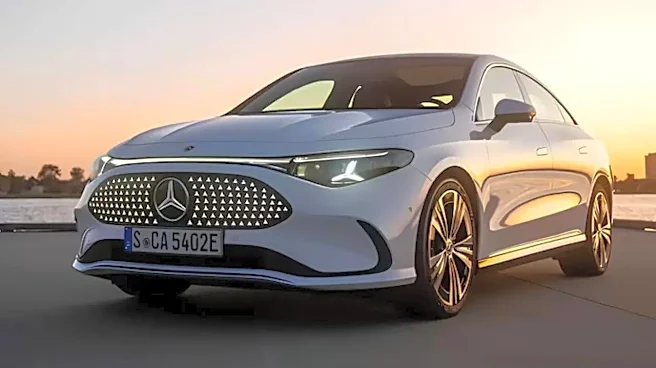
According to Mercedes-Benz India Managing Director and CEO Santosh Iyer, owners of the company's vehicles have little reason to worry about E20 petrol itself. Instead, he argues that fuel quality and adulteration are bigger concerns than the increase in ethanol content.
Here's what Mercedes-Benz says about E20 fuel and what it could mean for luxury car owners.
What is E20 petrol?
E20 is petrol blended with up to 20% ethanol, compared with earlier blends that typically contained up to 15% ethanol. Ethanol is a renewable fuel produced from agricultural feedstocks such as sugarcane and grains, and increasing its share in petrol is intended to reduce dependence on imported crude oil and lower carbon emissions.
Because ethanol contains slightly less energy than conventional petrol, some vehicles may experience a marginal reduction in fuel economy when running on higher ethanol blends. However, modern vehicles designed for E20 are engineered to operate safely on the fuel.
Are Mercedes-Benz cars compatible with E20?
According to Iyer, Mercedes-Benz vehicles sold in India since 2020 are designed to operate with E20 fuel.
"The simple answer is no, not at all," he said when asked whether Mercedes-Benz owners should be worried about using E20 petrol.
He added that vehicles manufactured from 2023-24 onwards are also fully compliant with the latest emission and performance requirements for E20 fuel.
Even cars produced before 2020 should continue to run on E20, although owners may notice a marginal drop in fuel efficiency.
"There may be a slight drop in efficiency, but it is not as though the government has suddenly introduced 20% ethanol overnight," Iyer said. "These cars have been running on 15% ethanol for many years."
Why are some motorists reporting problems?
While some motorists have reported vehicle issues after filling up with E20 petrol, Iyer argued that the approved ethanol blend may not necessarily be the cause.
According to him, one possible explanation is fuel adulteration at some retail outlets, where the ethanol content may exceed the prescribed limit.
"Someone may be dispensing E30 or some other mix, and that may be causing problems for some consumers," he said.
If fuel does not meet the required quality standards, it could affect engine performance and components in the fuel system regardless of the manufacturer's intended fuel specification.
How can drivers identify fuel-related issues?
Unlike tyre pressure or engine temperature, fuel quality cannot be checked immediately while refuelling. Drivers typically become aware of a problem only after warning lights appear, engine performance deteriorates or the vehicle begins to behave abnormally.
According to Iyer, customers experiencing such issues should visit an authorised Mercedes-Benz service centre, where technicians can inspect the fuel, examine the fuel tank and check components such as the fuel filter and fuel pump.
He added that corrosion inside older fuel tanks could release particles that clog the fuel system when exposed to higher alcohol content. However, he suggested this would depend on the condition of the vehicle rather than E20 fuel alone.
Iyer also called for more random inspections at fuel stations to ensure the fuel being dispensed complies with government quality standards.
Could India move beyond E20?
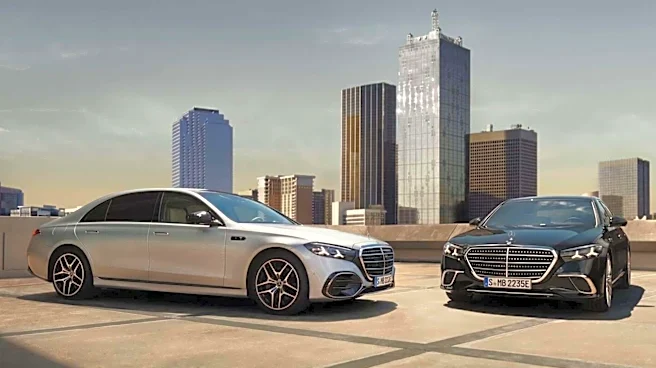
Mercedes-Benz has already introduced some models that are compatible with E25 fuel, including the latest plug-in hybrid S-Class. However, Iyer believes any nationwide move beyond E20 should be gradual.
He argued that policymakers should first assess the impact of higher ethanol blends on India's large existing vehicle population before making E25 the standard.
"If there is any risk, then E20 should continue, while E25 should be offered as an optional fuel for customers buying new cars," he said.
The company has also called for a clear implementation roadmap and sufficient lead time for manufacturers before introducing higher ethanol-compatible fuel standards across the industry.
What is the broader debate?
The discussion around E20 is part of a wider debate over how India should balance cleaner fuels with the needs of its existing vehicle fleet. While newer vehicles are increasingly being designed to handle higher ethanol blends, concerns remain about older vehicles, fuel quality and the pace of implementation.
For Mercedes-Benz owners, the company's position is that E20 itself should not be a cause for concern, provided the fuel meets prescribed quality standards. As India considers moving to even higher ethanol blends, the focus is likely to remain on ensuring consistent fuel quality, protecting the existing vehicle fleet and giving both automakers and consumers adequate time to adapt.
The government is promoting higher ethanol blending to reduce crude oil imports, lower emissions and support domestic ethanol production. While the transition has sparked concerns about its impact on vehicles, automakers maintain that compatibility depends largely on vehicle design and fuel quality.
According to Mercedes-Benz India Managing Director and CEO Santosh Iyer, owners of the company's vehicles have little reason to worry about E20 petrol itself. Instead, he argues that fuel quality and adulteration are bigger concerns than the increase in ethanol content.
Here's what Mercedes-Benz says about E20 fuel and what it could mean for luxury car owners.
What is E20 petrol?
E20 is petrol blended with up to 20% ethanol, compared with earlier blends that typically contained up to 15% ethanol. Ethanol is a renewable fuel produced from agricultural feedstocks such as sugarcane and grains, and increasing its share in petrol is intended to reduce dependence on imported crude oil and lower carbon emissions.
Because ethanol contains slightly less energy than conventional petrol, some vehicles may experience a marginal reduction in fuel economy when running on higher ethanol blends. However, modern vehicles designed for E20 are engineered to operate safely on the fuel.
Are Mercedes-Benz cars compatible with E20?
According to Iyer, Mercedes-Benz vehicles sold in India since 2020 are designed to operate with E20 fuel.
"The simple answer is no, not at all," he said when asked whether Mercedes-Benz owners should be worried about using E20 petrol.
He added that vehicles manufactured from 2023-24 onwards are also fully compliant with the latest emission and performance requirements for E20 fuel.
Even cars produced before 2020 should continue to run on E20, although owners may notice a marginal drop in fuel efficiency.
"There may be a slight drop in efficiency, but it is not as though the government has suddenly introduced 20% ethanol overnight," Iyer said. "These cars have been running on 15% ethanol for many years."
Why are some motorists reporting problems?
While some motorists have reported vehicle issues after filling up with E20 petrol, Iyer argued that the approved ethanol blend may not necessarily be the cause.
According to him, one possible explanation is fuel adulteration at some retail outlets, where the ethanol content may exceed the prescribed limit.
"Someone may be dispensing E30 or some other mix, and that may be causing problems for some consumers," he said.
If fuel does not meet the required quality standards, it could affect engine performance and components in the fuel system regardless of the manufacturer's intended fuel specification.
How can drivers identify fuel-related issues?
Unlike tyre pressure or engine temperature, fuel quality cannot be checked immediately while refuelling. Drivers typically become aware of a problem only after warning lights appear, engine performance deteriorates or the vehicle begins to behave abnormally.
According to Iyer, customers experiencing such issues should visit an authorised Mercedes-Benz service centre, where technicians can inspect the fuel, examine the fuel tank and check components such as the fuel filter and fuel pump.
He added that corrosion inside older fuel tanks could release particles that clog the fuel system when exposed to higher alcohol content. However, he suggested this would depend on the condition of the vehicle rather than E20 fuel alone.
Iyer also called for more random inspections at fuel stations to ensure the fuel being dispensed complies with government quality standards.
Could India move beyond E20?
Mercedes-Benz has already introduced some models that are compatible with E25 fuel, including the latest plug-in hybrid S-Class. However, Iyer believes any nationwide move beyond E20 should be gradual.
He argued that policymakers should first assess the impact of higher ethanol blends on India's large existing vehicle population before making E25 the standard.
"If there is any risk, then E20 should continue, while E25 should be offered as an optional fuel for customers buying new cars," he said.
The company has also called for a clear implementation roadmap and sufficient lead time for manufacturers before introducing higher ethanol-compatible fuel standards across the industry.
What is the broader debate?
The discussion around E20 is part of a wider debate over how India should balance cleaner fuels with the needs of its existing vehicle fleet. While newer vehicles are increasingly being designed to handle higher ethanol blends, concerns remain about older vehicles, fuel quality and the pace of implementation.
For Mercedes-Benz owners, the company's position is that E20 itself should not be a cause for concern, provided the fuel meets prescribed quality standards. As India considers moving to even higher ethanol blends, the focus is likely to remain on ensuring consistent fuel quality, protecting the existing vehicle fleet and giving both automakers and consumers adequate time to adapt.
/images/ppid_59c68470-image-178359502594411679.webp)
/images/ppid_a911dc6a-image-178366242402530893.webp)



/images/ppid_a911dc6a-image-17836495003888377.webp)