/images/ppid_59c68470-image-178922002177199902.webp)


/images/ppid_59c68470-image-178921252633628025.webp)

What is the story about?
Tata Sons will have to move ahead with a public listing, and the process could bring significant benefits for its shareholders and future capital needs, according to legal expert HP Ranina and corporate governance analyst Shriram Subramanian.
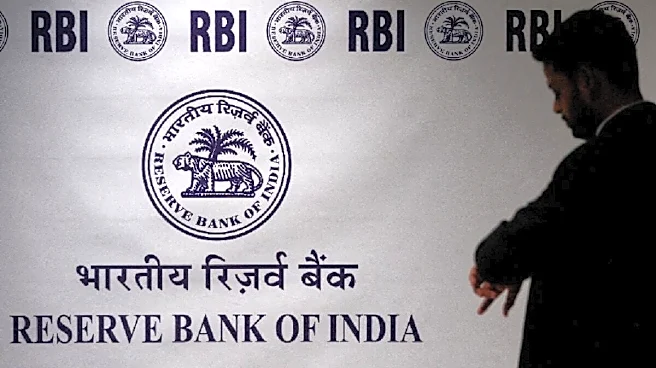
Speaking on CNBC-TV18, both experts agreed that the Reserve Bank of India's rejection of Tata Sons' request to surrender its upper-layer NBFC classification leaves the company with little choice but to comply with the applicable listing requirements.
Ranina said the RBI's decision was the expected outcome because regulatory rules cannot be selectively applied. In his view, allowing an exception for Tata Sons could raise questions about how similar cases would be treated in the future.
"This was inevitable because you can't make an exception," Ranina said, explaining why he believes Tata Sons must now proceed with the listing.
Subramanian shared a similar view, saying the RBI had been communicating its position for some time. He described the rejection of Tata Sons' deregistration request as the final step in a process that had been building for months.
Tata Sons IPO Could Provide Liquidity To Shareholders
A major benefit of the proposed listing, according to Subramanian, could be the liquidity it creates for existing shareholders. The Shapoorji Pallonji Group, which holds a significant stake in Tata Sons, could get an opportunity to unlock value from its investment.
The listing could also benefit seven listed Tata Group companies that hold shares in Tata Sons. Subramanian said these companies could see liquidity in investments that they have held for several years.
For retail investors, the IPO could offer direct access to Tata Sons, the holding company of the wider Tata Group. This could provide exposure to businesses that are not currently available through the group's listed companies, including ventures in digital services, electronics, advanced systems and aviation.
Subramanian also highlighted the potential impact of a public listing on Tata Sons' funding options. Once listed, the company could have greater flexibility to raise debt and issue additional equity when required.
He added, “Once Tata Sons is listed, they can raise debt, and from that perspective, and they can issue further equity if required. So there is capital flexibility for the management of Tata Sons.”
Tata Sons IPO Timeline: Experts Expect Several Months
On the likely timeline, Subramanian estimated that the listing process could take between three and six months. Ranina also said that around six months would be a realistic estimate, given the regulatory and procedural steps involved.
Tata Sons will first need to ensure compliance with the applicable NBFC rules before moving through the offer-document and listing process. The company's original listing deadline had already passed after it was identified as an upper-layer NBFC in 2022.
The experts also discussed the leadership transition at Tata Sons, with N Chandrasekaran's term expected to end in February. Ranina suggested that Chandrasekaran could potentially continue for a short period if required, although he did not see the succession issue as a major obstacle.
Subramanian, meanwhile, said the board should move quickly to identify a successor. Clarity on leadership, he suggested, could help reassure investors and support the IPO process.
Watch accompanying video for more
Speaking on CNBC-TV18, both experts agreed that the Reserve Bank of India's rejection of Tata Sons' request to surrender its upper-layer NBFC classification leaves the company with little choice but to comply with the applicable listing requirements.
Ranina said the RBI's decision was the expected outcome because regulatory rules cannot be selectively applied. In his view, allowing an exception for Tata Sons could raise questions about how similar cases would be treated in the future.
"This was inevitable because you can't make an exception," Ranina said, explaining why he believes Tata Sons must now proceed with the listing.
Subramanian shared a similar view, saying the RBI had been communicating its position for some time. He described the rejection of Tata Sons' deregistration request as the final step in a process that had been building for months.
Tata Sons IPO Could Provide Liquidity To Shareholders
A major benefit of the proposed listing, according to Subramanian, could be the liquidity it creates for existing shareholders. The Shapoorji Pallonji Group, which holds a significant stake in Tata Sons, could get an opportunity to unlock value from its investment.
The listing could also benefit seven listed Tata Group companies that hold shares in Tata Sons. Subramanian said these companies could see liquidity in investments that they have held for several years.
For retail investors, the IPO could offer direct access to Tata Sons, the holding company of the wider Tata Group. This could provide exposure to businesses that are not currently available through the group's listed companies, including ventures in digital services, electronics, advanced systems and aviation.
Subramanian also highlighted the potential impact of a public listing on Tata Sons' funding options. Once listed, the company could have greater flexibility to raise debt and issue additional equity when required.
He added, “Once Tata Sons is listed, they can raise debt, and from that perspective, and they can issue further equity if required. So there is capital flexibility for the management of Tata Sons.”
Tata Sons IPO Timeline: Experts Expect Several Months
On the likely timeline, Subramanian estimated that the listing process could take between three and six months. Ranina also said that around six months would be a realistic estimate, given the regulatory and procedural steps involved.
Tata Sons will first need to ensure compliance with the applicable NBFC rules before moving through the offer-document and listing process. The company's original listing deadline had already passed after it was identified as an upper-layer NBFC in 2022.
The experts also discussed the leadership transition at Tata Sons, with N Chandrasekaran's term expected to end in February. Ranina suggested that Chandrasekaran could potentially continue for a short period if required, although he did not see the succession issue as a major obstacle.
Subramanian, meanwhile, said the board should move quickly to identify a successor. Clarity on leadership, he suggested, could help reassure investors and support the IPO process.
Watch accompanying video for more


/images/ppid_59c68470-image-17893675261878184.webp)
/images/ppid_59c68470-image-178939752684894651.webp)

/images/ppid_59c68470-image-178921753623110898.webp)
/images/ppid_59c68470-image-178921503679041303.webp)
/images/ppid_59c68470-image-178913253941459519.webp)
/images/ppid_59c68470-image-178921507239598207.webp)