/images/ppid_59c68470-image-178157253775776380.webp)


What is the story about?
Oil prices steadied after their biggest fall in over two weeks as traders, producers and shippers awaited more details on the Iran deal which is intended to pave the way for the reopening of the Strait of Hormuz.
Brent traded under $84 a barrel after it sank nearly 5% on Monday, while West Texas Intermediate was close to $81 a barrel.
The interim agreement is due to be signed by both sides in Switzerland on Friday, although Washington and Tehran have yet to release the text of the memorandum of understanding.
President Donald Trump insisted that the strait would be clear on Friday. “We have a lot of lanes right now already,” he told reporters at the Group of Seven summit in France. “It’s going to be open and it’s toll-free.”
The lack of detail has kept the market cautious. Persian Gulf energy officials said they had been inundated with inquiries from buyers about whether crude could once again move through the strait, while shipping executives and traders said they need more clarity before committing vessels to the route.
Oil’s drop to the lowest since early March has erased the bulk of the gains seen during the conflict, easing inflationary pressures just as policymakers at the Federal Reserve assess interest rates this week. Still, a reopening may not mean an immediate return to normal, with questions lingering over shipping safety, operating rules and whether the chokepoint — which carried about a fifth of oil supply before the war — will actually remain toll-free.
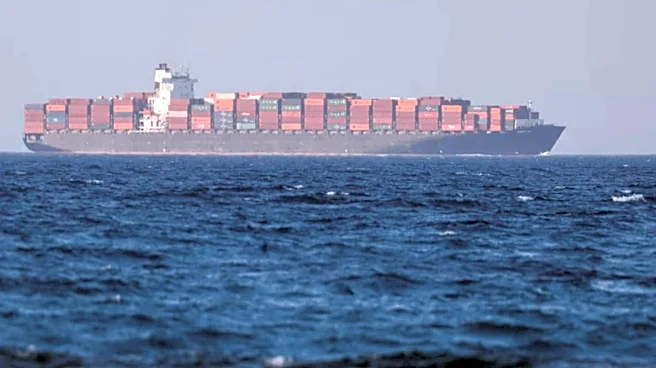
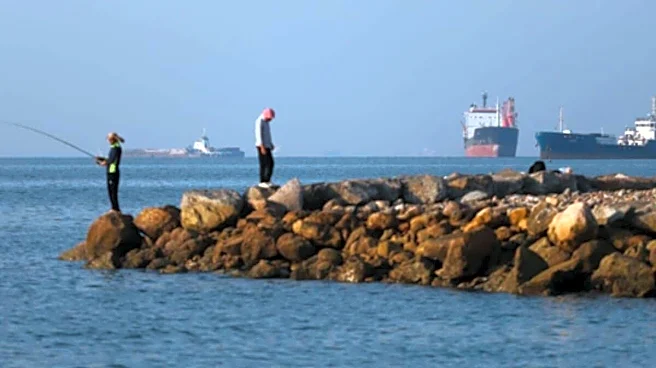
At present, nearly 300 vessels loaded with cargo are waiting to exit the Persian Gulf, and there’s about the same number of empty ships waiting to head into the region, according to data from intelligence firm Kpler.
The effective closure of Hormuz — which has been subject to a double blockade by Iran and the US — has cut energy flows from the Middle East, triggering the drawdown of commercial and strategic inventories. The US’ emergency supply of crude hit the lowest since 1983, according to data Monday.
With inputs from Bloomberg
Brent traded under $84 a barrel after it sank nearly 5% on Monday, while West Texas Intermediate was close to $81 a barrel.
The interim agreement is due to be signed by both sides in Switzerland on Friday, although Washington and Tehran have yet to release the text of the memorandum of understanding.
President Donald Trump insisted that the strait would be clear on Friday. “We have a lot of lanes right now already,” he told reporters at the Group of Seven summit in France. “It’s going to be open and it’s toll-free.”
The lack of detail has kept the market cautious. Persian Gulf energy officials said they had been inundated with inquiries from buyers about whether crude could once again move through the strait, while shipping executives and traders said they need more clarity before committing vessels to the route.
Oil’s drop to the lowest since early March has erased the bulk of the gains seen during the conflict, easing inflationary pressures just as policymakers at the Federal Reserve assess interest rates this week. Still, a reopening may not mean an immediate return to normal, with questions lingering over shipping safety, operating rules and whether the chokepoint — which carried about a fifth of oil supply before the war — will actually remain toll-free.
At present, nearly 300 vessels loaded with cargo are waiting to exit the Persian Gulf, and there’s about the same number of empty ships waiting to head into the region, according to data from intelligence firm Kpler.
The effective closure of Hormuz — which has been subject to a double blockade by Iran and the US — has cut energy flows from the Middle East, triggering the drawdown of commercial and strategic inventories. The US’ emergency supply of crude hit the lowest since 1983, according to data Monday.
With inputs from Bloomberg


/images/ppid_a911dc6a-image-178156942648790967.webp)

/images/ppid_59c68470-image-178156755815059921.webp)
/images/ppid_59c68470-image-178156752715210028.webp)